

I cannot wait for Heartstopper to finally be over
Heartstopper will finally end this summer, and I cannot wait for it to be over...


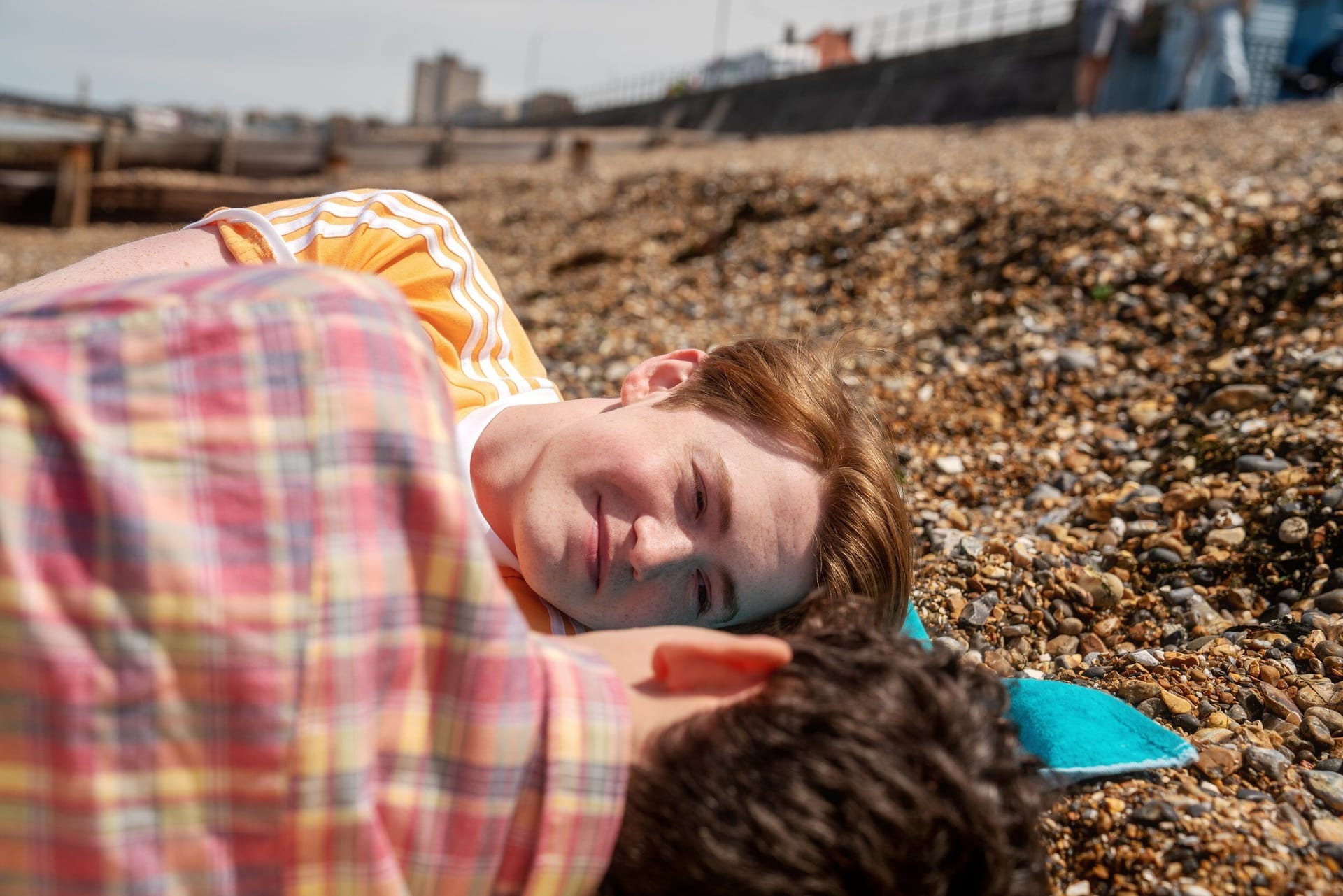
Look, I get it - it's a cute story about a twink and the twunk falling in love, fighting homophobia together, and have an awkward shag. But by Christ, it's getting boring. I cannot wait for it to be over.
The final instalment of 'Heartstopper' is due to release this summer in the shape of a Netflix film and will wrap up the existing three seasons, twenty four episodes, and far too much of my time. The film, 'Heartstopper Forever', will release on the 17th of July 2026, and queer people across the world are already bulk-buying the Kleenex. And can I just add, it's a really cringey name for a film.
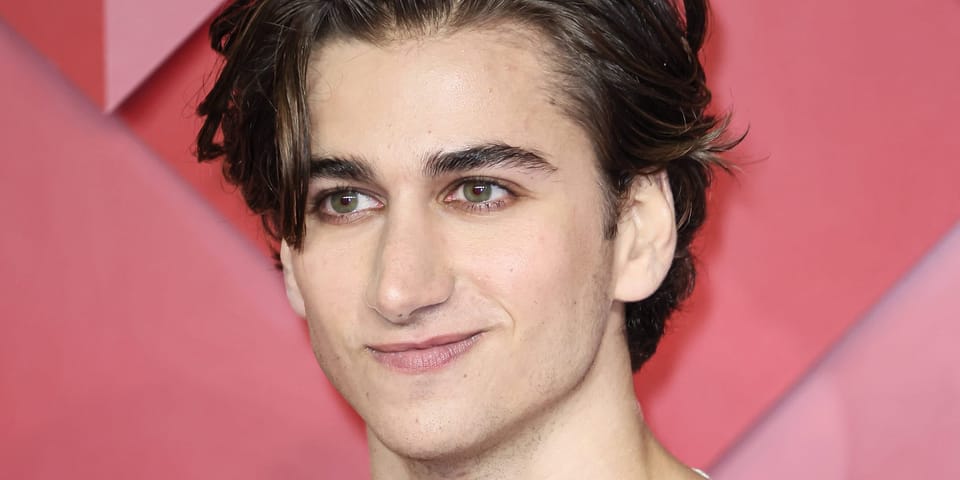
Based on the graphic novels by Alice Oseman started in 2016, Heartstopper stars Joe Locke and Kit Conner, and had small cameos from Olivia Coleman, Stephen Fry, and Jonathan Bailey. Despite those huge names, it remains one of the most insufferable shows I have ever seen.
As a late-twenties, political, overweight and disabled gay man, I do not see myself in any of the characters within this story. In fact, the only representation that even comes close comes in the shape of a character called Isaac (played by Tobie Donovan) who is who is aromantic and asexual, but most of the time he's just sat in the background reading a book barely saying anything.
The show touches on some important topics such as homophobia, bullying and eating disorders, but generally bored the life out of me. It is the most stereotypical rubbish I have ever seen - the twink and the rugby jock fall in love, defeat the odds, and have an uncomfortable fumble.
But there's also something darker about Heartstopper, and that's the fanbase that is has drawn in. When you boil it down, this is a story of two very, very young queer teenagers. If I am not mistaken, the story starts with the characters being under the age of 16. Yet when the first series launched, I was seeing people sharing erotic fanfiction and people losing their minds at the thought of them having sex in a later season. To me, that's really, really weird.
And when you look at the overall design of Heartstopper - the hand-drawn leaves and the boyish appearance of the characters, are we not further infantilising characters that are already written as children? So, and I have no way to ask this politely: Why in God's name is Oseman writing sex scenes about children?
Here in the UK, it is illegal to produce or distribute pornography which depicts under 18s, but apparently, it's perfectly fine to create a mental image about two young gay teenagers. I have no idea what Oseman was thinking. And I want to know why it hasn't been challenged.
I think it is fantastic that every generation of queer people in modern times has had some sort of queer representation on the television. Whether it was 'Queer as Folk', 'It's a Sin', or 'Love, Simon'. For me, it was Russell T Davies' 2015 shows 'Cucumber', 'Banana', and 'Tofu'. They were three different shows which interlinked, and included vast queer representation - gay, bi, trans, disabled, Black, and more. And more than that, it included some really important topics such as paedophilia, poverty, human trafficking, and the 'gay panic' defence. They are pretty dark and grim topics, but absolutely vital to talk about.
Now, I'm not saying that Heartstopper doesn't cover important topics. Of course eating disorders, bullying, transphobia and homophobia are things that affect the LGBTQ+ community. But strip that back, and it's just a story about two stereotypical white boys, and I'm bored of that. People like me who are marginalised within the queer community deserve better representation.
I know that I am just screaming into a void here, but if you are reading this and can take something away from it, just think about how creepy Heartstopper actually is when you strip away the excitement of having yet another queer white boy story to fawn over.
Scene was founded in Brighton in 1993, at a time when news stories about Pride protests were considered radical.
Since then, Scene has remained proudly independent, building a platform for queer voices. Every subscription helps us to report on the stories that matter to LGBTQ+ people across the UK and beyond.
Your support funds our journalists and contributes to Pride Community Foundation’s grant-making and policy work.

Member discussion