



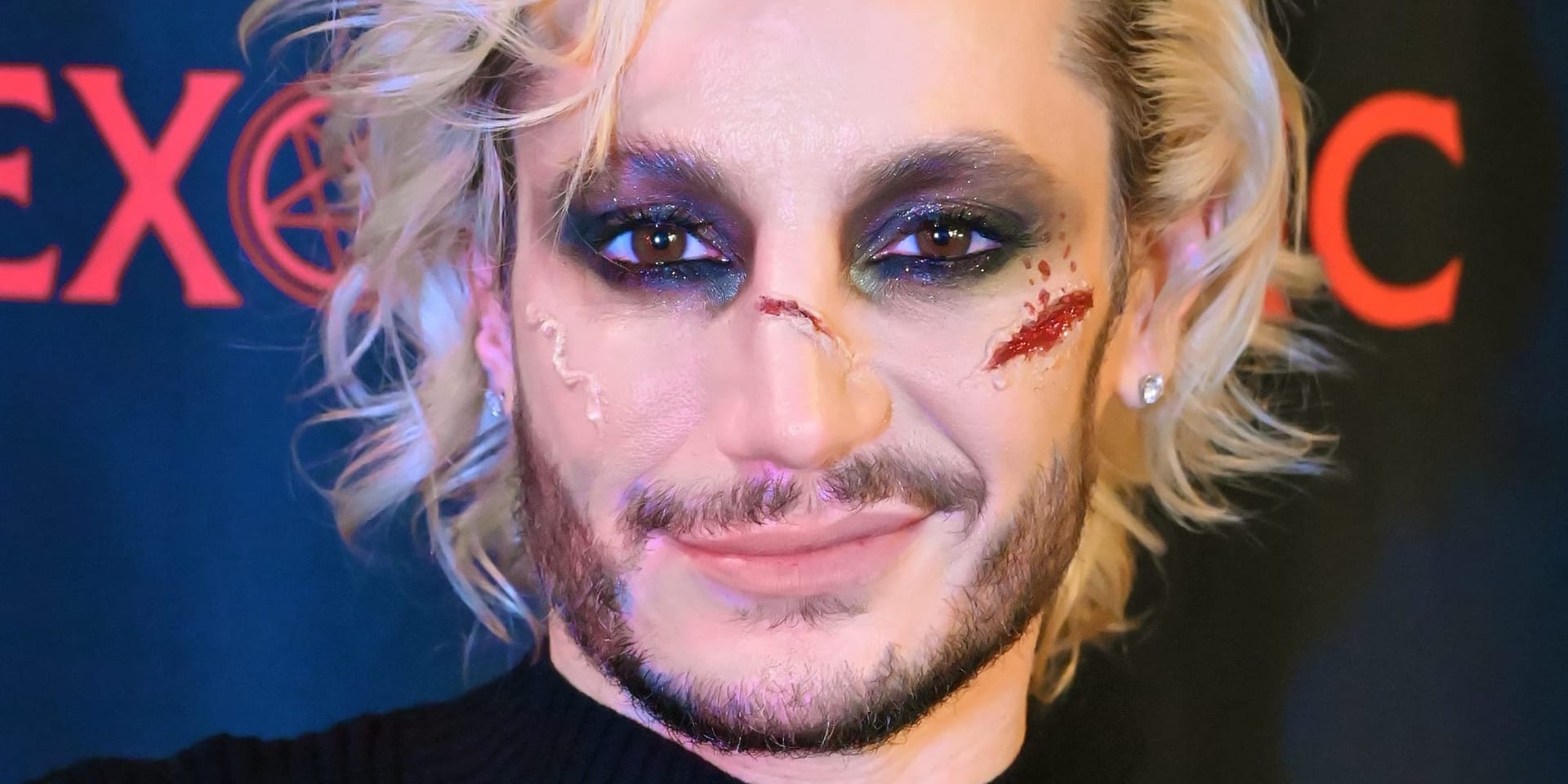
Frankie Grande has spoken about what he describes as “femmephobia” within the LGBTQ+ community, revealing that years of criticism from other gay men only began to make sense while writing his memoir, Supergay.
The singer, performer and author said the process of reflecting on his life helped him identify a pattern behind much of the hostility he has faced throughout his career. Rather than dismissing it as online negativity or personal attacks, Grande believes the criticism was rooted in discomfort with overt expressions of femininity.
Speaking backstage at the Broadway musical Titanique, Grande said he had long struggled to understand why he attracted so much negativity from within his own community.
“I didn’t understand why I got so much hate from gay men, and it’s actually femmephobia,” he said. “I didn’t understand that.”
The 43-year-old performer said the realisation prompted deeper questions about acceptance and identity within LGBTQ+ spaces. He reflected on why openly feminine men can still face judgement, even in communities that champion self-expression and authenticity.
Grande has never hidden his love of glamour, often appearing in make-up, heels, glitter and eye-catching outfits. He said these choices are a genuine reflection of who he is, rather than a performance.
“I choose to present myself as female oftentimes, very often, not as a drag queen, but because I love make-up and I love heels and I love glitter and I love tight revealing outfits,” he said. “These things are shocking and defy even queer gender norms.”
The entertainer also revealed that his artistic inspirations were female pop icons such as Britney Spears and Madonna, rather than traditional male role models.
“When I became a pop star, my very first thing I wanted to do was be Britney Spears. I wanted to be Madonna. I didn’t want to be a male character.”
Grande argued that the prejudice he encounters is linked not only to homophobia but also to misogyny. He suggested that society often places greater value on masculinity, leading some people to view feminine traits as inferior.
“It’s because I’m a man who chooses to present female. And why would you do that? Because women are deemed lesser,” he said.
His comments arrive amid wider conversations about gender expression and the persistence of “masc-for-masc” culture in some sections of the gay community. Critics of the trend argue that it can marginalise feminine-presenting men and reinforce traditional gender stereotypes.
Through Supergay, Grande hopes to encourage greater understanding and acceptance of diverse forms of queer identity. His reflections shine a spotlight on the challenges some LGBTQ+ people continue to face from within their own community, raising questions about how inclusivity can extend beyond sexual orientation to encompass gender expression as well.
Scene was founded in Brighton in 1993, at a time when news stories about Pride protests were considered radical.
Since then, Scene has remained proudly independent, building a platform for queer voices. Every subscription helps us to report on the stories that matter to LGBTQ+ people across the UK and beyond.
Your support funds our journalists and contributes to Pride Community Foundation’s grant-making and policy work.

Member discussion