



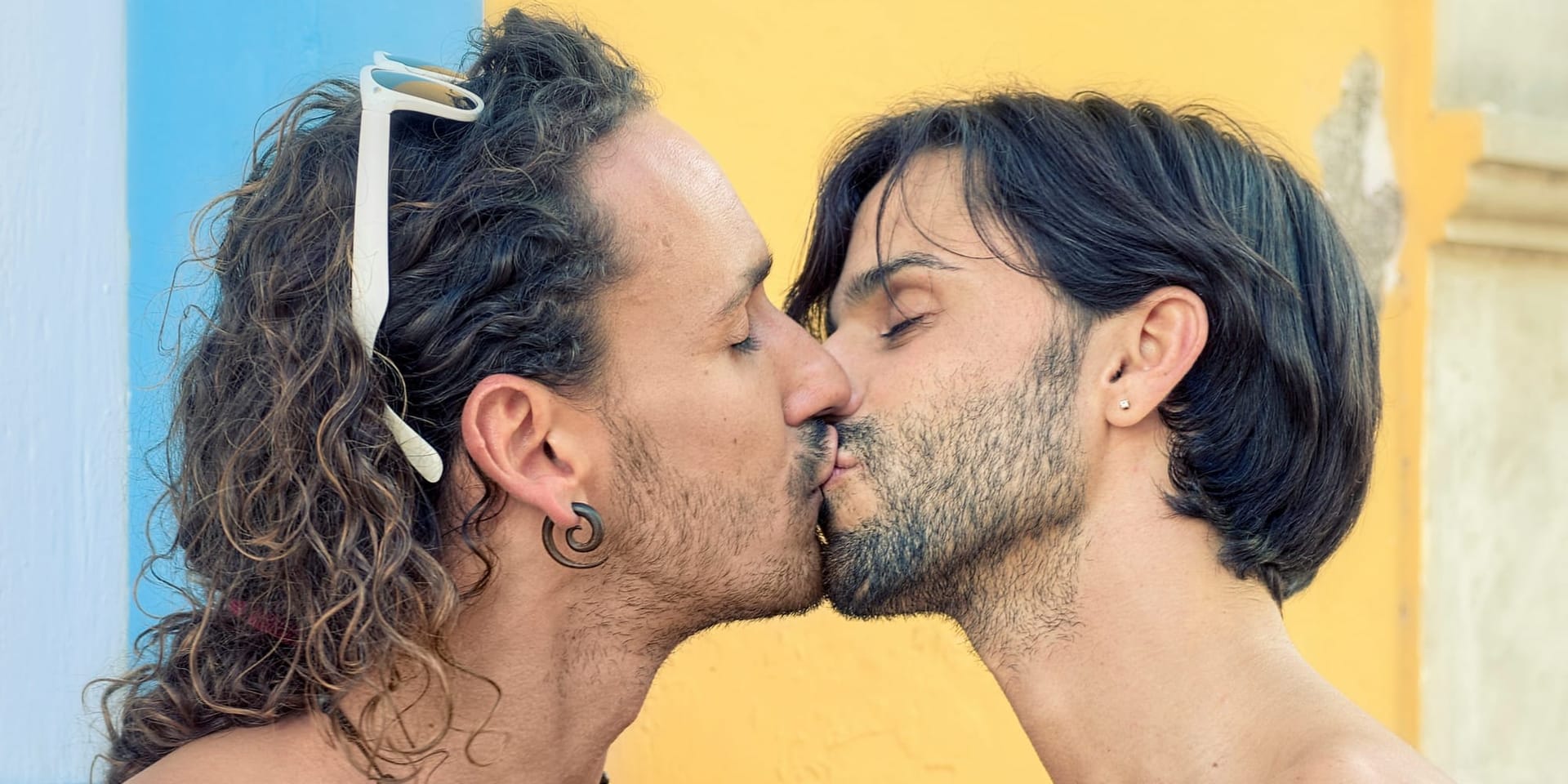
British holidaymakers looking for romance abroad may want to brush up on their local LGBTQ+ lingo before jetting off, after new research from Grindr found that language barriers are creating awkward moments, mixed messages and misunderstood hookups around the world.
According to a survey of more than 3,400 Grindr users, two in five (41%) have experienced confusion caused by unfamiliar gay slang while travelling overseas. Most of those misunderstandings happen before people even meet, with 36% saying they encountered problems while messaging on dating apps.
Others reported confusion during face-to-face conversations (17%) or even during hookups themselves (14%).
The findings suggest that while attraction may be universal, queer slang often isn't.
More than three in five respondents (61%) admitted they had pretended to understand another language and hoped context would help them work things out, while 53% said misunderstandings over local terminology could completely kill the mood.

The survey also found that international travel is becoming an unexpected way for LGBTQ+ people to expand their vocabulary, with nearly a third (31%) saying they had learned new queer words and phrases while abroad.
To help travellers avoid embarrassing misunderstandings, Grindr has compiled a list of common LGBTQ+ terms used around the world. Among the most useful are passivo and activo, used in Spanish-speaking countries to describe bottoms and tops, while hospeda is commonly used in Portuguese-speaking countries to indicate someone can host.
Elsewhere, users in China often use the shorthand "1" and "0" to describe sexual preferences, while South Asian communities may use terms such as panthi and kothi to describe different queer identities and relationship dynamics.
Other phrases can prove equally important. In Germany, for example, understanding the difference between jetzt ("now") and gleich ("in a moment") could help avoid confusion over exactly when a date is expected to arrive.
The research also uncovered a series of memorable translation mishaps shared by users.
One traveller said they were left baffled when someone asked whether they wanted a "dreier", believing they had misheard the word "dryer", only later discovering it is German slang for a threesome.
Another thought a Spanish date was simply suggesting a shower when discussing duchar, before realising the conversation was actually about douching.
Meanwhile, one respondent in Italy discovered that chinotto can refer both to a popular soft drink and, in some parts of southern Italy, a slang term for oral sex.
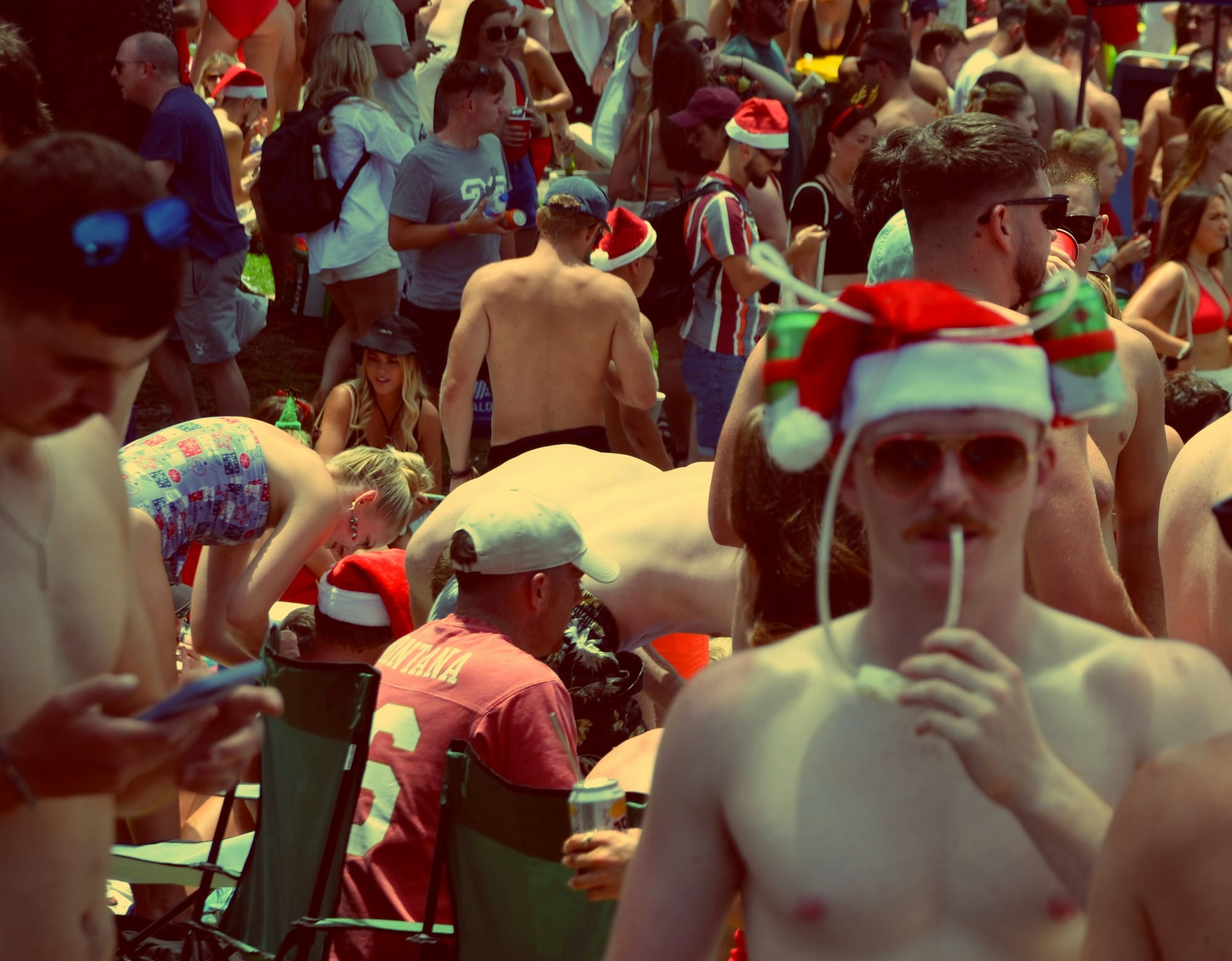
The study also looked at which accents users found most attractive when flirting. American English came out on top, followed by Australian, Brazilian, Spanish and English accents.
Zachary Zane, Grindr's sex and relationship expert, said language differences can often be part of the fun of travelling. "Every culture has its own ways of flirting and talking about sex, and figuring those out, awkward misunderstandings included, is part of the experience," he said.
British queer author and playwright Clayton Littlewood said LGBTQ+ slang has long played an important role in helping communities connect. "From Polari, which helped gay men identify one another when they often had to remain hidden, to the language used on apps today, queer slang creates a sense of belonging," he said.
"Every queer community has its own linguistic fingerprints, and learning those phrases while travelling offers a glimpse into the culture that created them."
Scene was founded in Brighton in 1993, at a time when news stories about Pride protests were considered radical.
Since then, Scene has remained proudly independent, building a platform for queer voices. Every subscription helps us to report on the stories that matter to LGBTQ+ people across the UK and beyond.
Your support funds our journalists and contributes to Pride Community Foundation’s grant-making and policy work.




Member discussion