



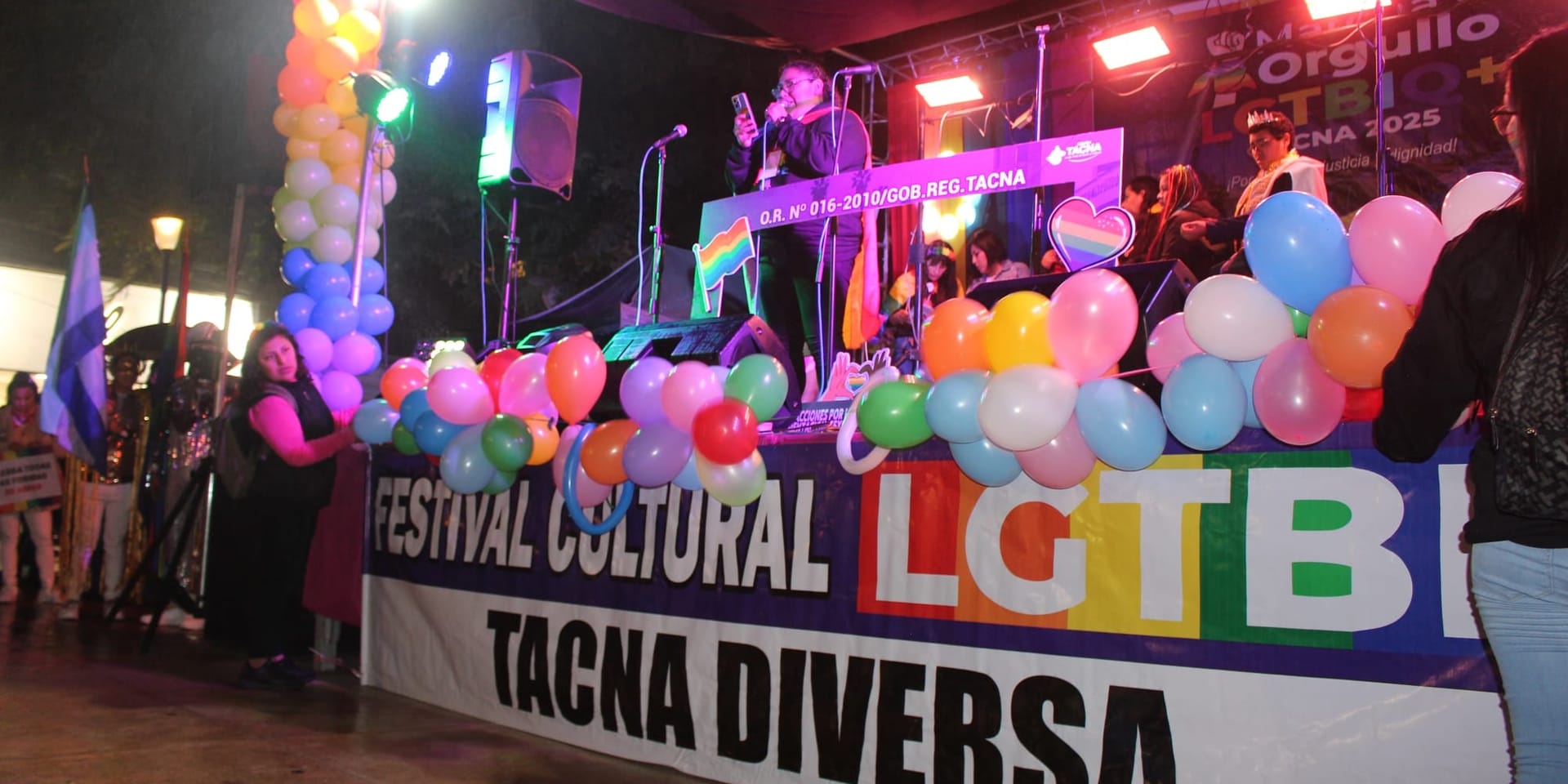
Nine in ten LGBTQ+ and intersex organisations around the world have lost funding since the start of 2025, according to a new report that warns of a growing crisis for groups supporting some of the world's most vulnerable communities.
The report, published by Outright International, surveyed 229 LGBTQ+ and intersex rights organisations across 94 countries and found that 90% had experienced funding cuts since January 2025. Nearly half of respondents said they had lost more than half of their total budgets, while three-quarters reported losing at least a quarter of their funding.
Researchers found that cuts linked to the United States government were by far the most commonly cited source of lost support. More than half of organisations surveyed said funding reductions were connected to programmes previously backed by agencies including USAID, PEPFAR and the US State Department.
“No other funder came close,” the report stated.
The findings come amid the continuing impact of foreign aid cuts introduced by the Trump-Vance administration after taking office in January 2025. Funding freezes and the subsequent dismantling of USAID have had far-reaching consequences for LGBTQ+ organisations worldwide, many of which relied on American support for advocacy, healthcare programmes and emergency assistance.
According to the report, “what was initially framed as a temporary freeze has become a structural disruption”, with the effects extending beyond government funding to influence corporate, institutional and philanthropic donors.
“The broader environment in which LGBTIQ movements operate has continued to deteriorate,” the report said, citing democratic backsliding, anti-NGO legislation, rising violence and coordinated attacks on trans and intersex rights in a number of countries.
Outright International Executive Director Maria Sjödin previously estimated that the global LGBTQ+ and intersex rights movement had lost more than $125 million in funding since January 2025, equivalent to around 30% of its annual resources.
The report highlights the real-world impact of those cuts on community organisations across the globe.
In Iraq, funding losses have forced LGBTQ+ advocacy group IraQueer to halt safety and security training for activists following the introduction of legislation criminalising same-sex relationships and trans people.
Elsewhere, an intersex-led organisation in West Africa reported it could no longer maintain office space or pay staff, while an LGBTQ+ community centre in Ecuador that had operated for a decade was forced to close its doors in February this year.
Organisations supporting LGBTQ+ refugees and asylum seekers have also been affected. In Uganda, one group reported losing emergency relocation funding that had previously enabled people facing immediate violence to move to safer locations.
In Ukraine, where the war continues to place enormous pressure on civil society, an advocacy organisation said funding cuts had forced it to reduce staff hours and scale back support services.
“We used to be able to respond promptly to requests and support people throughout the entire process of resolving their issues,” the organisation said. “Now we are forced to limit ourselves to one-time consultations or refuse assistance altogether due to a lack of resources.”
The report also points to concerns in the Pacific, where Tonga's national LGBTQ+ organisation said reduced funding was undermining HIV prevention efforts and limiting the number of programmes it could deliver.
While the scale of the funding crisis is stark, the report stresses that LGBTQ+ organisations have continued to adapt and support their communities despite increasingly difficult circumstances.
“At the same time, LGBTIQ organisations have not stood still,” the report states. “They have continued to resist, adapt, and serve their communities under extraordinary pressure.”
The findings suggest the challenges facing LGBTQ+ groups may deepen further. Data cited from the Human Rights Funders Network projects that global rights-focused development assistance could fall by between $1.4 billion and $1.9 billion annually by 2026, with LGBTQ+ and gender equality movements among those expected to be hardest hit.
For campaigners, the report paints a picture of a global movement under severe financial strain at a time when anti-LGBTQ+ rhetoric, restrictive legislation and attacks on trans rights are increasing in many parts of the world.
Despite those challenges, Outright International said the resilience of LGBTQ+ organisations remains evident. “This report is an effort to make those costs, and that resilience, visible,” it concluded.
Scene was founded in Brighton in 1993, at a time when news stories about Pride protests were considered radical.
Since then, Scene has remained proudly independent, building a platform for queer voices. Every subscription helps us to report on the stories that matter to LGBTQ+ people across the UK and beyond.
Your support funds our journalists and contributes to Pride Community Foundation’s grant-making and policy work.




Member discussion