



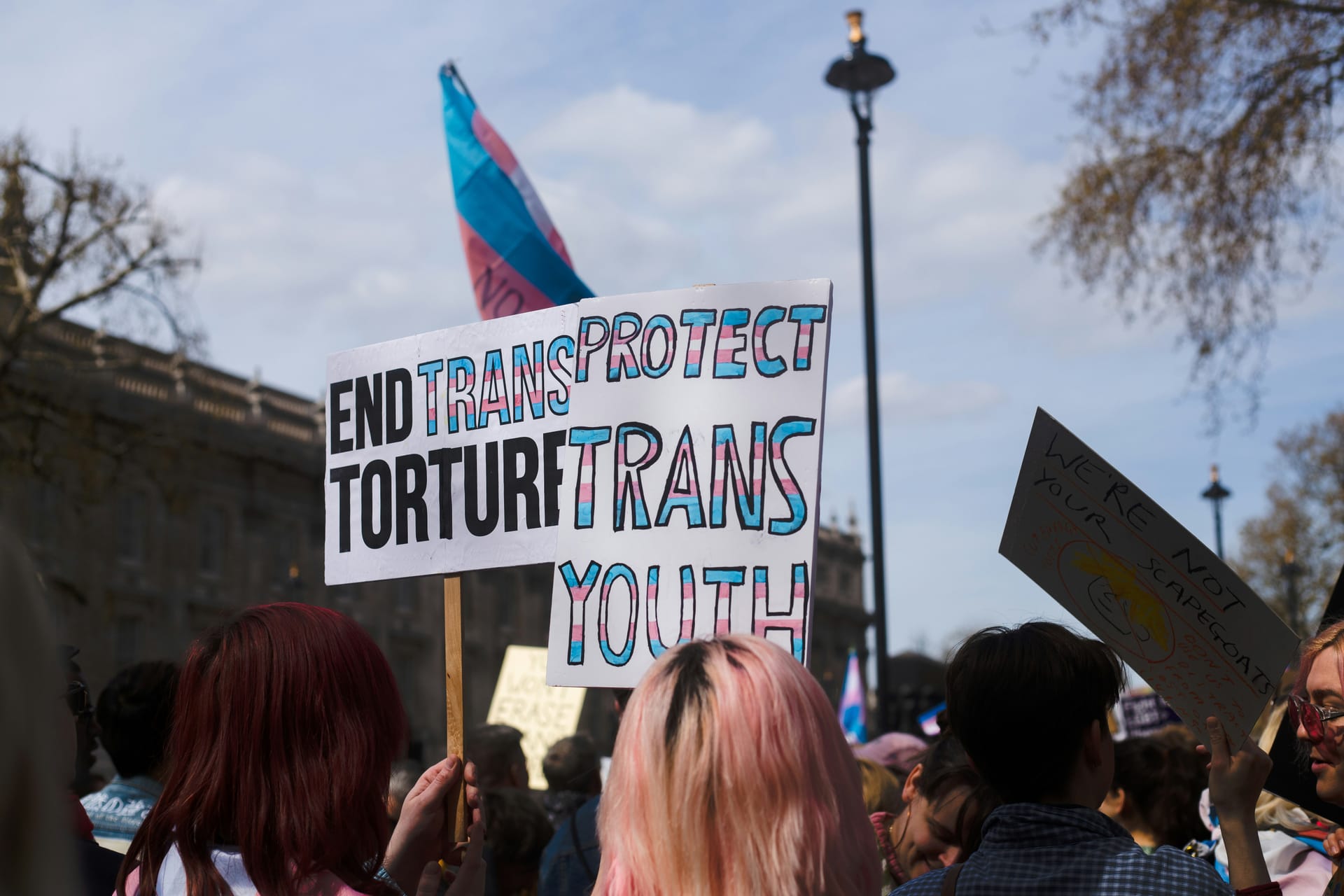
More than 80 clinicians, researchers and academics have warned NHS England that its recent restrictions on gender‑affirming care for young people are based on flawed evidence and risk denying appropriate treatment to trans patients.
In an open letter sent to the National Medical Director for Specialised Services, Professor James Palmer, 85 signatories raise concerns about the evidence reviews used to underpin a new prescribing policy for gender‑affirming hormone therapy (GAHT) for under‑18s.
The intervention follows changes introduced earlier this year, when NHS England launched a 90‑day public consultation on revised guidance for the prescribing of masculinising and feminising hormones to children and adolescents. Under the proposed policy, gender‑affirming hormones would no longer be routinely available to anyone under 18.
The move extends a series of restrictions on youth gender services in England. Puberty blockers are already subject to a national ban for under‑18s, and a proposed clinical trial investigating their use has been paused. In March, NHS England also halted new referrals for hormone therapy for patients aged 16 and 17, citing insufficient evidence on benefits and risks.
Signatories to the open letter argue that the evidence reviews informing the latest policy change are deeply problematic. They claim the reviews lack a clear rationale, fail to take account of previous and ongoing research commissioned by NHS England and do not meet typical standards of peer‑reviewed research.
The group also alleges that the methodology underpinning the reviews is flawed and that key findings have been misreported, leaving the decision to withdraw treatment unsupported by robust evidence. As a result, they say the move to restrict access to hormone therapy amounts to an “urgent” policy decision without sufficient evidential basis.
The letter draws on wider criticism of the Cass Review, the independent government‑commissioned report on children’s gender services published in 2024, which has informed changes to NHS policy. The British Medical Association has raised concerns about how the review’s recommendations have been interpreted and implemented, warning of a disconnect between the report and subsequent policy decisions.
The signatories say the latest policy reflects a broader pattern of overreach, with clinical decisions increasingly influenced by political considerations rather than evidence‑based medicine.
They also argue that the removal of hormone therapy for under‑18s, alongside earlier restrictions on puberty blockers, represents a “blanket withdrawal” of gender‑affirming care for young people, with potentially serious implications for patient wellbeing.
Evidence reviews commissioned by NHS England have previously concluded that the available research on hormone treatment for adolescents is limited and does not clearly demonstrate benefits or harms, prompting a more cautious approach to prescribing. However, critics say this interpretation fails to reflect the wider body of international research and clinical practice.
In their letter, the clinicians call on NHS England to halt the implementation of the new policy and reconsider its approach. They urge the health service to take into account existing and ongoing research, ensure any guidance reflects established international best practice and incorporate input from both clinicians and patients in decision‑making.
They also stress the importance of transparent, evidence‑based policymaking, warning that excluding clinical expertise and patient experience risks undermining both trust in the NHS and the quality of care provided to trans young people.
NHS England has said it will consider feedback from the consultation before finalising its policy, which is expected later this year.
Scene was founded in Brighton in 1993, at a time when news stories about Pride protests were considered radical.
Since then, Scene has remained proudly independent, building a platform for queer voices. Every subscription helps us to report on the stories that matter to LGBTQ+ people across the UK and beyond.
Your support funds our journalists and contributes to Pride Community Foundation’s grant-making and policy work.





Member discussion