



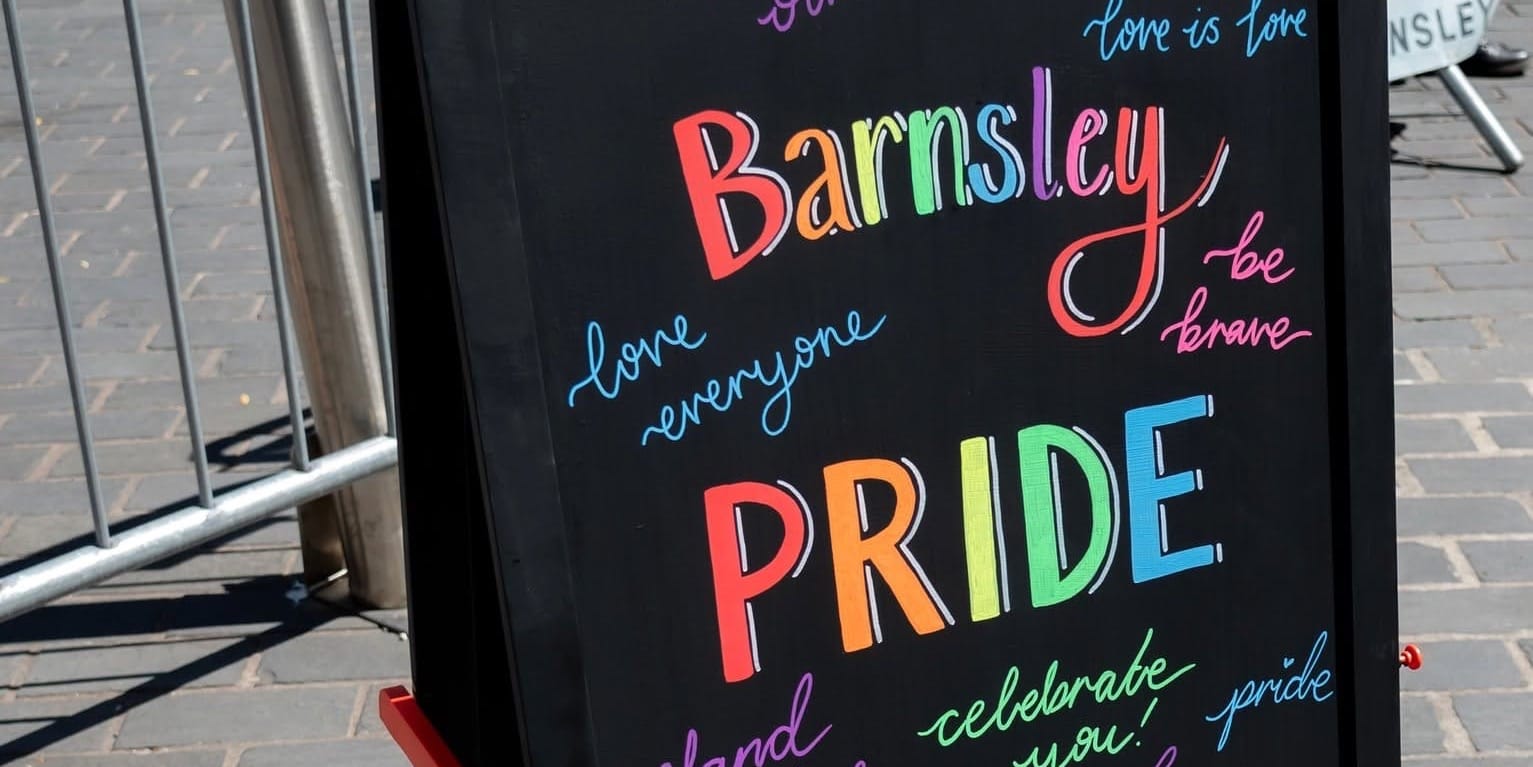
Barnsley Pride has criticised the Reform UK-led council’s decision not to raise the Pride flag during Pride Month, describing it as a “painful rejection” of the LGBTQ+ community.
The decision was taken by Barnsley Council’s new Reform UK administration, which took control of the authority following May’s local elections after more than 50 years of Labour rule.
In a statement, Barnsley Pride said the refusal went beyond disappointment, arguing it sent a damaging message to LGBTQ+ people in the town.
“The refusal by Barnsley Council to raise the Pride flag during Pride Month is more than a disappointing decision - it is a painful rejection of a community that has spent generations fighting simply to be treated with equal dignity and respect,” the statement said.
The criticism follows the council’s announcement that it will no longer fly the Pride flag over the town hall, with the Reform-led authority instead opting to display only the Union Flag, St George’s Cross and the Barnsley Council flag as part of a new policy.
Barnsley Pride emphasised the symbolic importance of the flag, describing it as more than “a piece of fabric”. It said the banner represents “survival” and honours those who have faced discrimination and injustice.
“To refuse to fly that flag during Pride Month sends a message, whether intended or not, that those stories, those sacrifices, and those people matter less,” the group added.
The organisation also warned that the absence of visible support could leave LGBTQ+ residents feeling excluded. It said gestures such as raising the flag, while often seen as symbolic, carry significant meaning.
“Raising the Pride flag costs nothing, but its absence can speak volumes,” the statement said. “It can leave people feeling unseen, unsupported, and excluded by the very institutions that are supposed to represent and serve them.”
Barnsley Pride pointed out that LGBTQ+ people are part of every aspect of life in the borough, including as residents, workers and families, and said they should feel supported by local authorities.
“They deserve to know that their council stands with them, not at arm’s length from them,” the group said.
The statement described Pride Month as an opportunity for councils and organisations to “celebrate diversity, affirm inclusion, and send a clear message that everyone is welcome”, adding that the decision not to fly the flag was a “missed opportunity” to show leadership and solidarity.
Responding to concerns that the issue might be divisive, Barnsley Pride said the flag did not detract from anyone else’s rights.
“The Pride flag does not take rights away from anyone. It does not divide communities. It stands for the simple belief that every human being deserves to be treated with respect, regardless of who they are or who they love,” it said.
The group added that many people in Barnsley would feel hurt by the decision and question why, in 2026, support for LGBTQ+ residents remained contentious.
“A truly inclusive community does not stay silent when people ask to be seen,” the statement concluded. “It raises them up. It stands beside them. And during Pride Month, it flies the flag that says, clearly and proudly: you belong here too.”
Scene was founded in Brighton in 1993, at a time when news stories about Pride protests were considered radical.
Since then, Scene has remained proudly independent, building a platform for queer voices. Every subscription helps us to report on the stories that matter to LGBTQ+ people across the UK and beyond.
Your support funds our journalists and contributes to Pride Community Foundation’s grant-making and policy work.



Member discussion