

Wes Streeting is the right type of gay, which is why he gets an easier ride
Britain seems more comfortable with gay politicians, but only if their politics do not challenge the establishment too deeply.


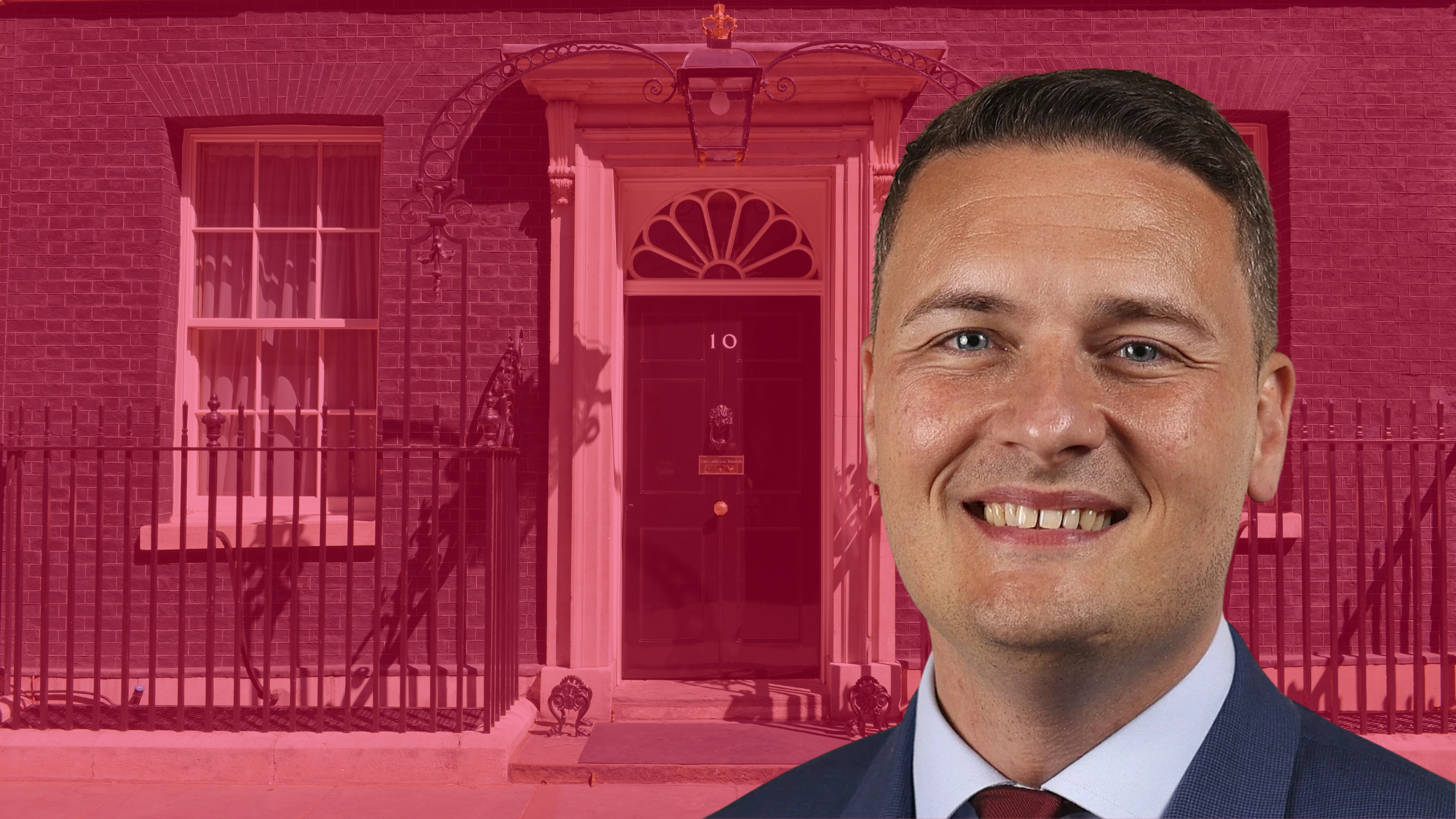
Wes Streeting may soon become Britain's first openly gay Prime Minister. If that happens, it will rightly be a moment in history. But it also raises an uncomfortable question: why are some gay politicians embraced by the political establishment while others are treated as dangerous, unserious, or extreme?
One of Streeting's first major acts as Health Secretary was to extend the ban on puberty blockers. Since then, he has repeatedly aligned himself with figures inside Labour who position themselves as "gender-critical," at a time when trans people have become the primary target of Britain's culture wars.
Yet despite this, Streeting rarely faces sustained scrutiny over the contradiction between his identity as a gay man and his willingness to support policies viewed by many LGBTQ+ campaigners as hostile to another part of the queer community.
The contrast says something important about the way Britain treats queer politicians. Acceptance is often conditional. Society is comfortable with gay public figures when they appear respectable, conventional, and willing to reassure the establishment that they will not fundamentally challenge existing norms. But those who link gay liberation to wider struggles for gender identity, social change, or minority solidarity are treated with much more suspicion.
Historically, much of social conservatism has been hostile to LGBTQ+ liberation, particularly around family structures, marriage, and gender norms. And so, for me, it raises a question as to why so many LGBTQ+ people class themselves as right, centre-right, or even far-right.
That tension becomes even clearer when compared to Zack Polanski, the leader of the Green Party of England and Wales. In recent months, Polanski and the Greens more broadly have faced relentless criticism for their outspoken support of trans rights. Unlike Streeting, Polanski is often portrayed not simply as wrong, but as radical, unreasonable, or outside the political mainstream.
As a gay man myself, I have often wondered at what point does it become acceptable to society. I guess, the question I am asking is, what does 'the right type of gay' look like? Is it someone who accepts and embraces difference, such as the way that Polanski fights for the trans community, or is it someone who is willing to throw one community under the bus in the way that Streeting has done?
The question is not whether gay politicians should be allowed to disagree with other LGBTQ+ people. Of course they should. The real question is why certain forms of queerness are rewarded by the establishment while others are treated as beyond the pale. What does society actually mean when it says it accepts gay people - and who gets left behind in the process?
Scene was founded in Brighton in 1993, at a time when news stories about Pride protests were considered radical.
Since then, Scene has remained proudly independent, building a platform for queer voices. Every subscription helps us to report on the stories that matter to LGBTQ+ people across the UK and beyond.
Your support funds our journalists and contributes to Pride Community Foundation’s grant-making and policy work.




Member discussion