

The file marked ‘Sexual Offences’: inside the BBC’s long-buried first documentary on homosexuality
In 1953 the BBC made a secret programme about homosexuality and locked it away. Historian Professor Marcus Collins found the transcript buried in a Reading archive. He tells Scene what it reveals about who we were, and why it still matters.


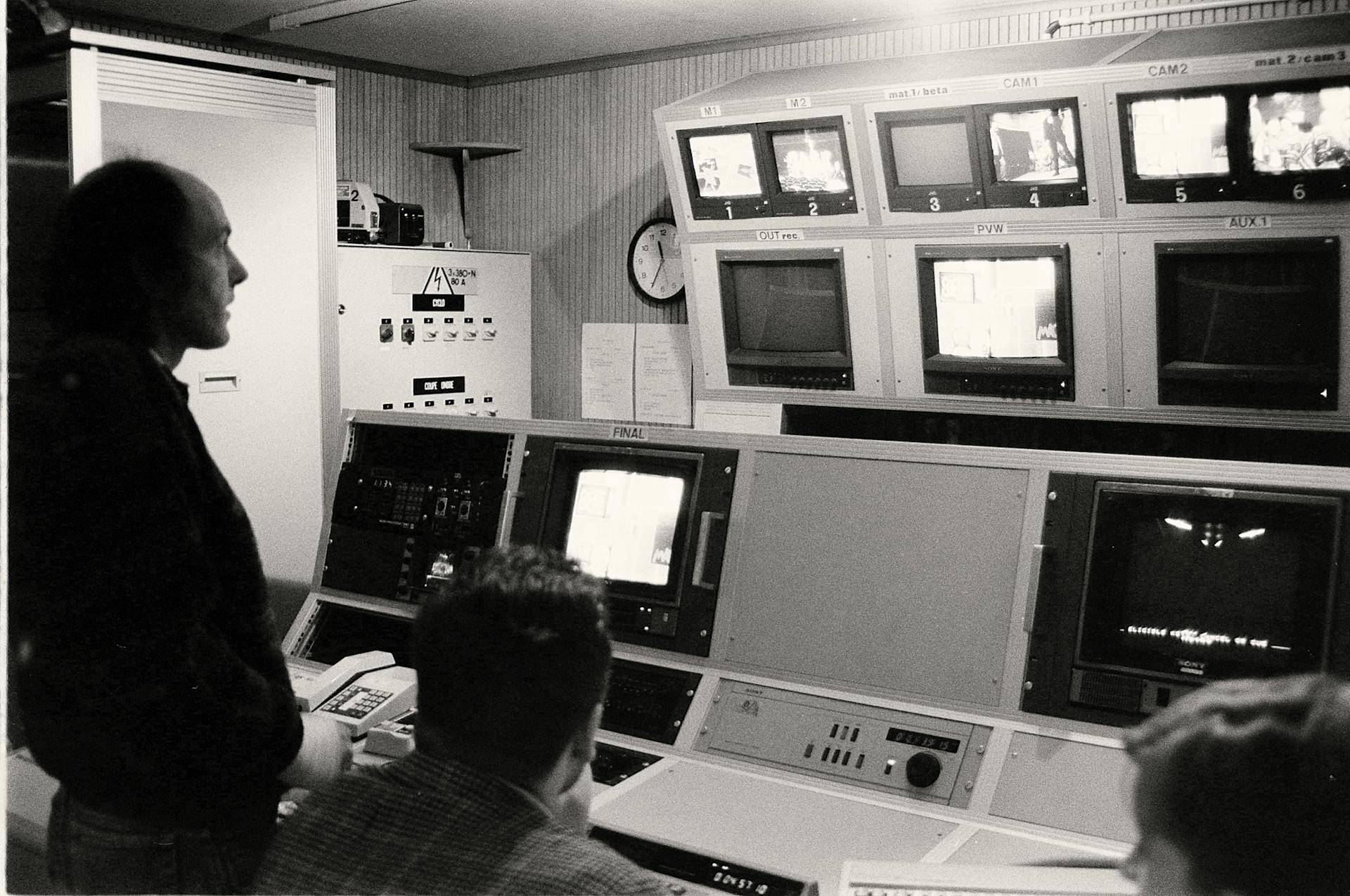
The BBC Written Archives Centre is a bungalow. That is where Professor Marcus Collins begins his story: a suburban building in Reading that holds, improbably, one of the most extensive records of British cultural life in the 20th century. He had been meaning to visit for years and finally went on research unrelated to anything that would make the news.
Then he noticed a file. The label read: “Sexual Offences, 1953–4.”
“I couldn’t resist,” he says. “The BBC at the time was known for its puritanical nature. It had the morals of a maiden aunt. So what could it possibly have broadcast about sexual offences?”
What he found inside would eventually become a stage play, a short film, and a conversation about British broadcasting history that nobody knew needed to happen.
A programme they never meant to broadcast
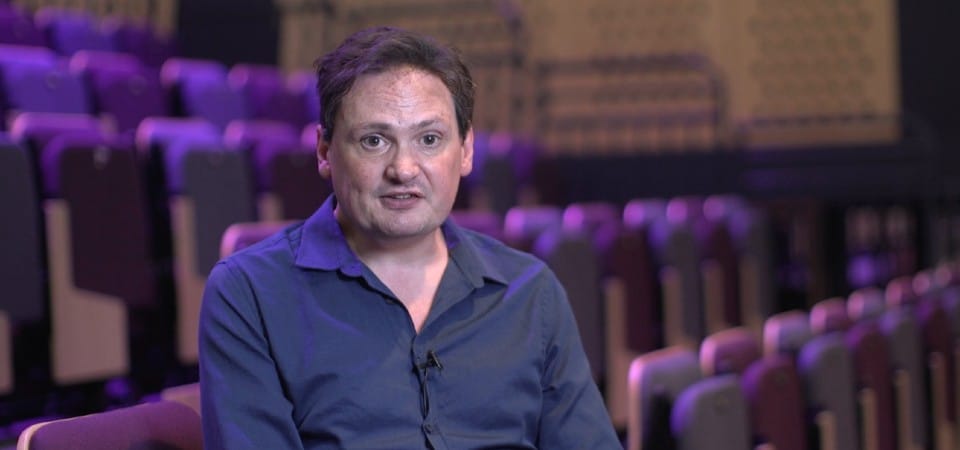
In 1953, the BBC initiated what would become the first major documentary on homosexuality by any broadcaster in the world. The finished programme was recorded in May 1954 under the title Homosexuality: The Condition, the Cult and the Crime. It was shelved almost immediately. The director general vetoed its release, concluding that the BBC should not be dirtying its hands with such issues.
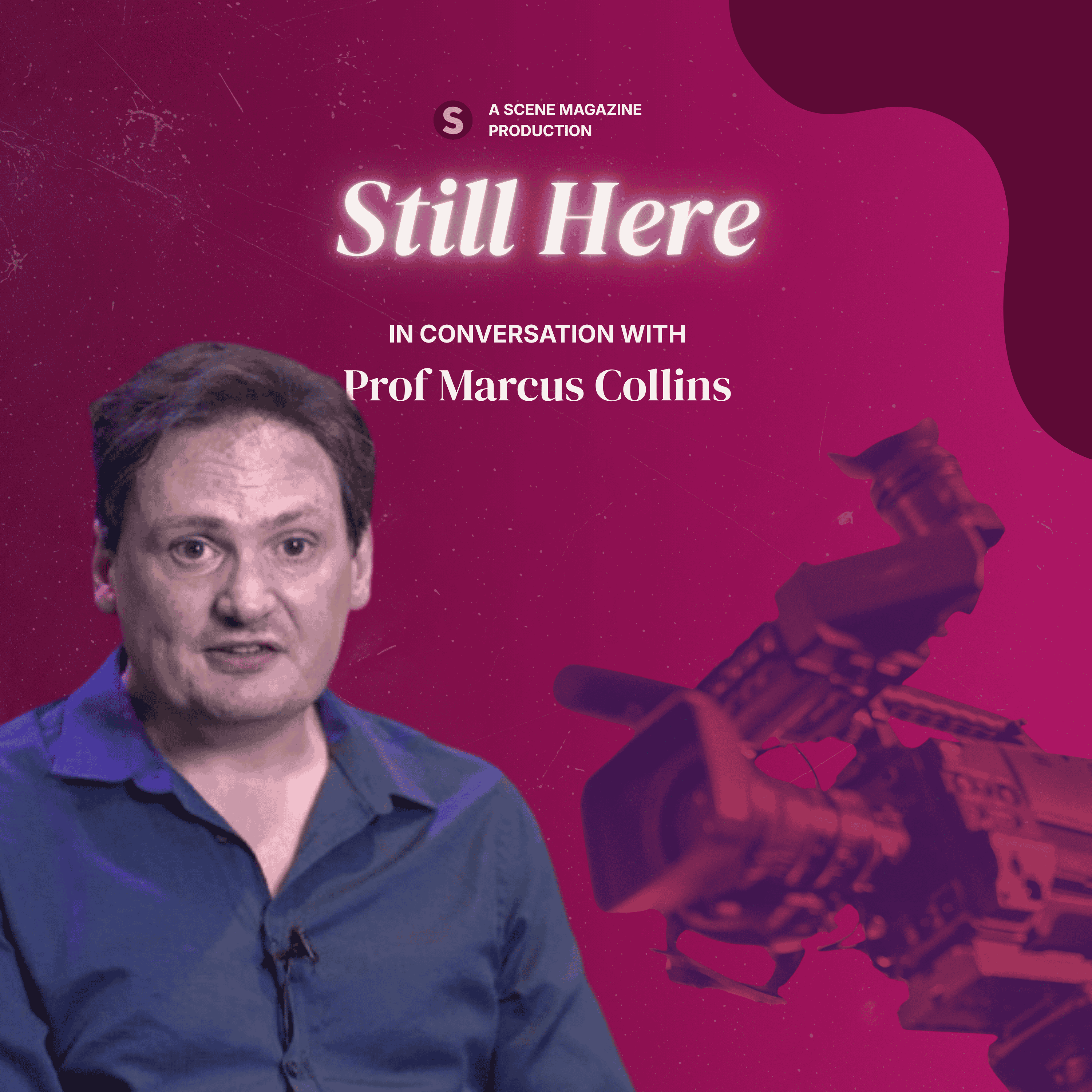
Listen to the full episode on your favourite podcast app, or watch the conversation on YouTube.
Three years later, with the Wolfenden Report about to be published, the BBC changed its mind. A heavily edited version aired on the Home Service in July 1957 under a revised title: The Homosexual Condition. Then the recording was lost. What survived was only a transcript, the correspondence between producers and contributors, and the internal memos that showed exactly how divided the corporation had been about making it at all.
Collins, Professor of Modern History at Loughborough University, pieced all of this together. The archive, he says, opens up a window not just into broadcasting but into a version of Britain that is both recognisable and genuinely difficult to comprehend.
What liberal looked like in 1957
The programme’s contributors were selected on the principle of impartiality. Gay men, by the BBC’s logic, were too biased to appear. So the voices on the programme were clergymen, lawyers, social workers, psychiatrists, and one man described as a reformed homosexual, who had, through sheer willpower, converted himself to heterosexuality and married.
There was one letter of protest in the archive: an anonymous man who identified himself as gay, who objected to what he called the hollow mockery of this reformed individual and demanded that openly gay men, such as Peter Wildblood, one of the high-profile prosecutions of 1953, be allowed to speak for themselves.
His voice was not heard on air.
What was heard instead was the liberal consensus of the day. Collins describes it carefully. The progressives on this programme, he says, the ones who opposed criminalisation and pushed for decriminalisation, believed that homosexuality was an illness or a moral defect that could and should be corrected. They thought imprisonment was wrong not because there was nothing wrong with being gay, but because prison was counterproductive. You were not going to cure someone by locking them up with hundreds of other men.
“Those are the liberals,” he says. “Those are the people who are on the side of decriminalisation. And they’re the ones pushing for cures.”
Even decriminalisation, when it came in 1967 following Wolfenden’s recommendations, was framed in these terms: gay men were unfortunate, they deserved tolerance, they should not be imprisoned, but they were not equal. They could not access the full fulfilment, as the thinking went, of marriage and children. They were to be pitied.
Sanewashing and the expert class
During our conversation, a word came to me: sanewashing. I used it to describe what happens when experts, doctors, lawyers, authority figures, are recruited to give the appearance of reason and balance to positions that would otherwise look plainly cruel. I saw it in the 1957 programme. I see it now.
Collins did not resist the parallel. He noted that the 1950s debate about homosexuality and the current debate about trans people share the same structural features: the appeal to child protection, the claim that something once hidden has suddenly and alarmingly proliferated, the deployment of medical language to suggest that what is really happening is a problem to be managed.
“In the 1950s the idea was that gay people were a direct threat to children because there was this conflation of homosexuality with paedophilia,” he says. “And there was this notion that gay people corrupted the youth. The parallels with trans people now are very strong.”
He was careful, as a historian, not to overstate the case. But he did not pretend the parallel was not there. Frankly, neither could I.
The eight-year silence
After the Wolfenden Report was published and the initial flurry of programming followed, a backlash arrived. The director general issued what Collins calls an edict: the BBC had probably said more than it should have, and would say no more about homosexuality except in special circumstances and on special occasions.
The next full documentary on homosexuality on British radio came in 1965. Eight years without a factual programme on the subject.
“If you imagine being a gay man in the late 1950s, early 1960s, just discovering your sexuality,” Collins says. “There is nothing there for eight years. No gay press, no gay organisations, virtually nothing on television. That drought of information, if you can imagine what it must have been like, it is a very different world.”
Broadcasting mattered not just as public discourse but as the only route through which closeted gay men might hear their own existence acknowledged. As Collins put it to me: if you get on air and have a chance to discuss this, you can define your own identity rather than having it defined for you.
From bungalow to stage
Collins is, by his own admission, a deeply untheatrical person. But in 2022, the BBC commissioned him as its Centenary Fellow to find lost broadcasts and bring them back to life. He was put in touch with playwright Dr Stephen Hornby, who specialises in theatre made from archival material. When Marcus told me this part of the story, I found myself thinking: of course a historian would need a playwright to make people actually feel it.
Hornby was heartily offended by the transcript. He chose not to stage it as a faithful reconstruction but to create something more layered: excerpts from the programme itself, the story of the years it spent being mothballed, and a fictional thread following a young man called Tom who works at Burton’s tailors and is quietly discovering his sexuality in a society that criminalises it.
The result, The BBC’s First Homosexual, toured the UK earlier this year as the official national production for LGBT+ History Month. Each performance was followed by a community forum, chaired by figures including Peter Tatchell. Audience members, many of them older gay men who grew up in the wake of that period, filled out hundreds of feedback forms. They found it affecting. Some wept.
The play is now heading to the International Gay Theatre Festival in Dublin and the Edinburgh Fringe in August 2026. A recorded version is planned for LGBT+ History Month in 2027.
Still on that journey
I ended the episode, as I always do, with the question that gives the podcast its name. I asked Marcus whose survival he is most conscious of when he sits with the archive material.
His answer surprised me. Not the gay men whose voices are mostly absent from the documents, he said. What he has been trying to preserve, in a way, is the voices of the anti-gay people. Because understanding what made homophobia possible, the morality, the knowledge, the fear that made people unable to accept a different sexuality, gives something important: a sense of how people think, and of how much things can shift.
He was not triumphalist about the shift. Sexuality, he pointed out, is still in flux. What it will look like in fifty years neither of us can say. But sitting with him in that conversation, the pace of change felt both extraordinary and terrifyingly slow, depending on which direction you face. I left thinking about that. I still am.
“We are not standing on a pinnacle looking down at the mistakes of the past,” he says. “We are still on that journey.”
Scene was founded in Brighton in 1993, at a time when news stories about Pride protests were considered radical.
Since then, Scene has remained proudly independent, building a platform for queer voices. Every subscription helps us to report on the stories that matter to LGBTQ+ people across the UK and beyond.
Your support funds our journalists and contributes to Pride Community Foundation’s grant-making and policy work.

Member discussion