

UN experts warn UK equality 'guidance' on single-sex services could ‘institutionalise discrimination’ against trans people


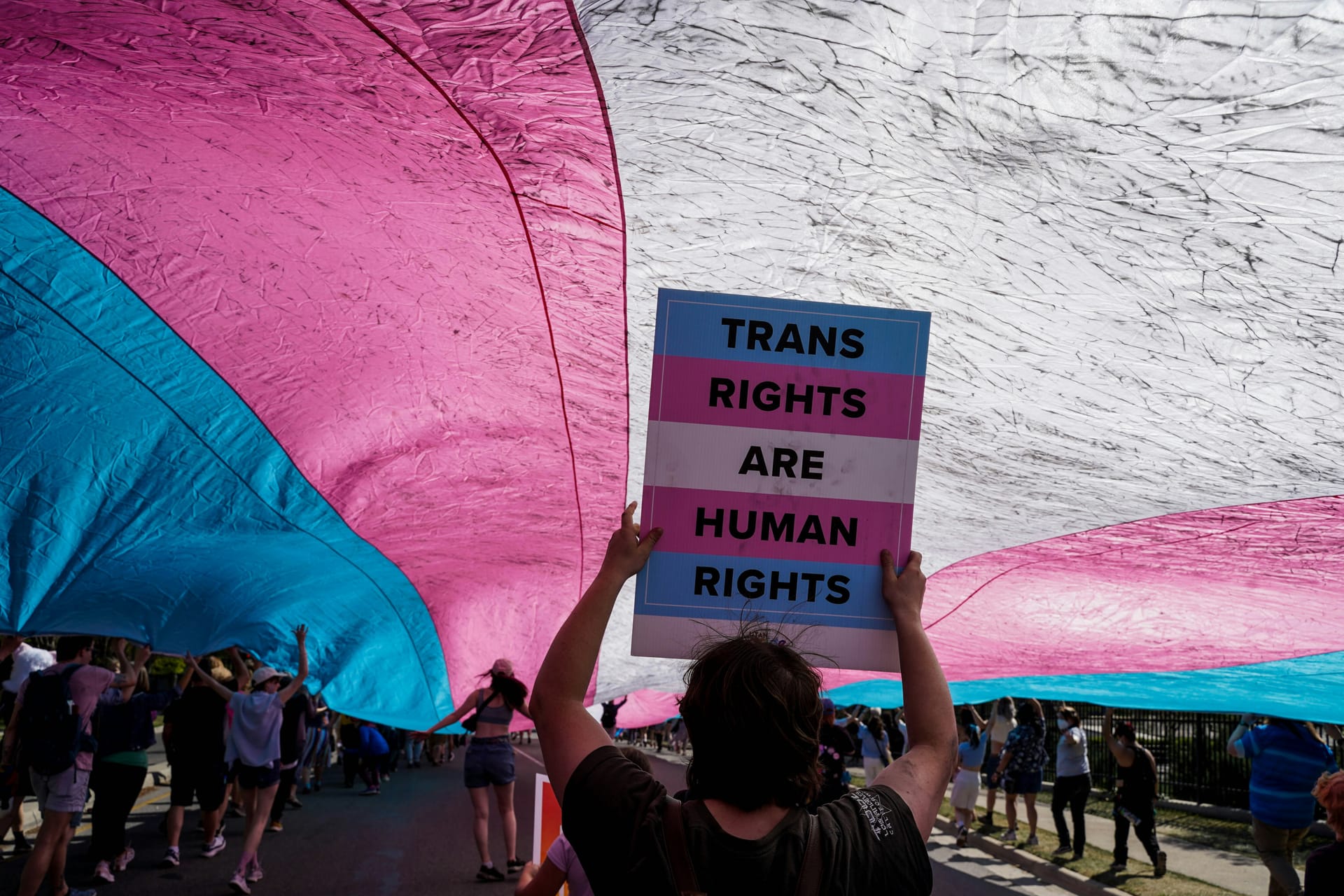
A group of United Nations human rights experts has warned that new UK 'guidance' on single-sex services risks “institutionalising discrimination” against trans and gender-diverse people.
The concerns were raised in a joint statement issued by the UN Working Group on discrimination against women and girls, the Working Group on business and human rights, and the Independent Expert on protection against violence and discrimination based on sexual orientation and gender identity.
The intervention focuses on the government's new code of practice for service providers, drafted by the Equality and Human Rights Commission (EHRC) following the Supreme Court's ruling on the legal definition of sex under the Equality Act.
The code provides statutory guidance on how organisations should operate single-sex and separate-sex services, covering settings ranging from gyms and toilets to community groups and leisure activities.
However, the UN experts warned that the guidance could severely limit the ability of service providers to adopt inclusive approaches where they are lawful and appropriate.
In their statement, the experts said the code risks leaving “insufficient scope for service providers to consider whether inclusive arrangements are lawful, justified and appropriate in the particular circumstances”.
They also expressed concern about the practical impact on both trans people and women more broadly.
“Implementing the Code will require transgender persons to disclose their gender identity, risking harassment, while exposing all women to scrutiny based on gender stereotypes, intrusive questioning or demands for personal information,” the experts said.
The criticism comes as campaign group Good Law Project prepares a legal challenge against both the UK government and the EHRC over the guidance.
The organisation is supporting a trans individual and a trans-inclusive organisation as prospective claimants and has submitted a pre-action protocol letter, the first formal step before judicial review proceedings.
Cat MacLean, policy adviser at Good Law Project, welcomed the intervention from the UN experts. “This Labour government pushed through its transphobic guidance in the face of opposition from many MPs, including nearly a hundred of its own backbenchers,” MacLean said.
“Now, a host of UN experts joins this ever-growing list of critics.
“As the UN experts stated, it is completely at odds with human rights. Not only that, we think it's unlawful too, which is why the legal challenge we are supporting is absolutely essential.”
The government's 'guidance' has proved highly controversial since its publication, drawing criticism from LGBTQ+ organisations, human rights groups and some parliamentarians, while supporters argue it provides clarity for service providers following the Supreme Court judgment.
The EHRC and ministers have maintained that the code is intended to help organisations comply with equality law. However, the intervention from the UN experts adds international scrutiny to the debate and is likely to increase pressure on the government as the legal challenge progresses.
If the case proceeds to court, judges will be asked to consider whether the 'guidance' is compatible with domestic equality legislation and the UK's human rights obligations.
Scene was founded in Brighton in 1993, at a time when news stories about Pride protests were considered radical.
Since then, Scene has remained proudly independent, building a platform for queer voices. Every subscription helps us to report on the stories that matter to LGBTQ+ people across the UK and beyond.
Your support funds our journalists and contributes to Pride Community Foundation’s grant-making and policy work.


Member discussion