



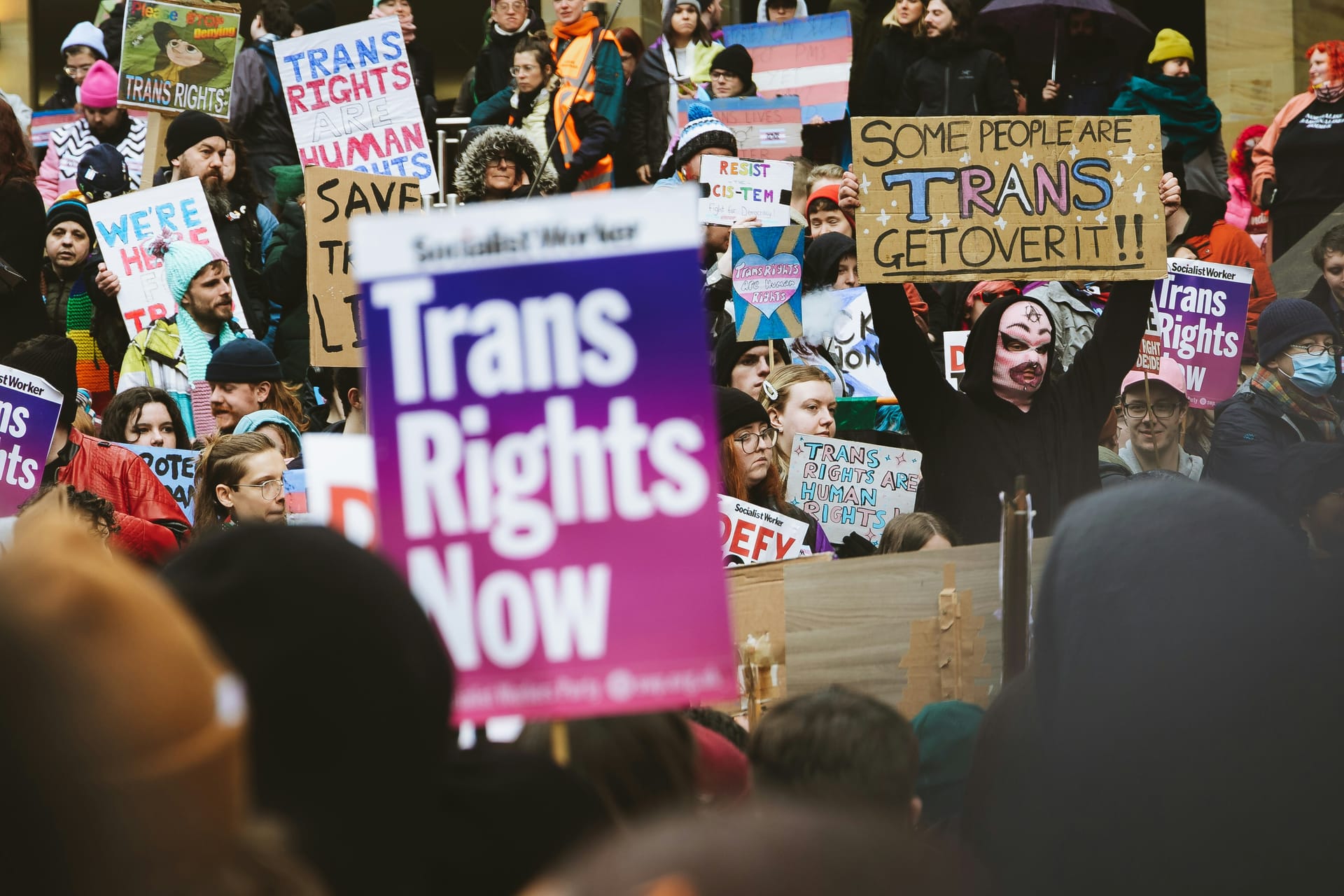
Single-sex toilets and changing rooms across England, Wales and Scotland must exclude transgender people under new draft guidance issued by the equalities watchdog, prompting alarm from trans rights groups who warn it could drive many people out of public life.
The updated code of practice from the Equality and Human Rights Commission follows the UK supreme court’s 2025 ruling that “sex” in the Equality Act refers to biological sex. The guidance states that if organisations allow trans people to use facilities matching their gender identity, those spaces can no longer be classed as single-sex and may face legal challenge.
However, the draft code also says employers, businesses and public bodies should consider practical alternatives, including gender-neutral toilets and private facilities, to ensure trans people are not left without safe access to services.
The 340-page document covers a wide range of services, including healthcare, hospitality, leisure centres and community organisations. In healthcare settings, where mixed-sex wards are unavailable, trans patients must generally be placed according to their biological sex. Yet the code also states that excluding a trans man from gynaecology or obstetrics outpatient care because of objections from other patients would not be proportionate.
The guidance suggests some organisations may still be able to remain trans inclusive by widening eligibility criteria. Clubs and associations, for example, could define membership around multiple protected characteristics rather than sex alone.
“The newly published EHRC Code of Practice leaves trans people in the UK today with less rights than they had prior to last year’s Supreme Court ruling."
The government’s own equality impact assessment accompanying the draft acknowledges the changes are likely to have a “negative” impact on transgender people. It argues that impact could be reduced through “third-space” provision such as gender-neutral toilets or self-contained facilities.
Mary-Ann Stephenson, chair of the EHRC, said the supreme court judgment was clear that separate male and female toilets must be organised on the basis of biological sex. She called for a broader conversation about how public services can meet different needs, including through more flexible accommodation and facilities.
Trans groups said the proposals would intensify fear and uncertainty. TransActual said: “The newly published EHRC Code of Practice leaves trans people in the UK today with less rights than they had prior to last year’s Supreme Court ruling.
"Not only does this new guidance fail to protect the rights and dignity of transgender people, but appears to have weakened protections for the LGBTQ+ community as a whole. Rather than engage with our community with respect, the Government has instead withheld publishing its new Code of Practice until as late as possible.
"TransActual will continue to fight for equal access to public life for all trans people, and will publish our full thoughts on the new Code once we have had the time to properly scrutinise it – something that the Government seems keen to avoid."
Businesses and disability rights campaigners have also raised concerns about how the rules will work in practice. The guidance includes examples of shopping centres installing fully enclosed gender-neutral toilets and advises organisations using accessible toilets for trans users to monitor any impact on disabled people.
The code states that questioning people using toilets or changing rooms about their sex is unlikely to be appropriate in most situations. However, it says intervention may be justified if concerns are raised about a person’s appearance or behaviour by other users.
The draft code was laid before parliament on Thursday by equalities minister Bridget Phillipson. MPs have 40 days to review the document before ministers decide whether to bring it into force across England, Scotland and Wales.
Scene was founded in Brighton in 1993, at a time when news stories about Pride protests were considered radical.
Since then, Scene has remained proudly independent, building a platform for queer voices. Every subscription helps us to report on the stories that matter to LGBTQ+ people across the UK and beyond.
Your support funds our journalists and contributes to Pride Community Foundation’s grant-making and policy work.



Member discussion