

REVIEW: Leviticus
Leviticus is a movie about a killer demon wearing your first love's face, and for most of its runtime, that's an idea that works well



Hello, cinema lovers. Today's offering is an intriguing idea: Leviticus is a movie about a killer demon wearing your first love's face, and for most of its runtime, that's an idea that works well. Australia has produced some great horror in the recent past; Wolf Creek and The Babadook come to mind. Leviticus brings an interesting LGBTQ+ angle fronted by a talented young cast.
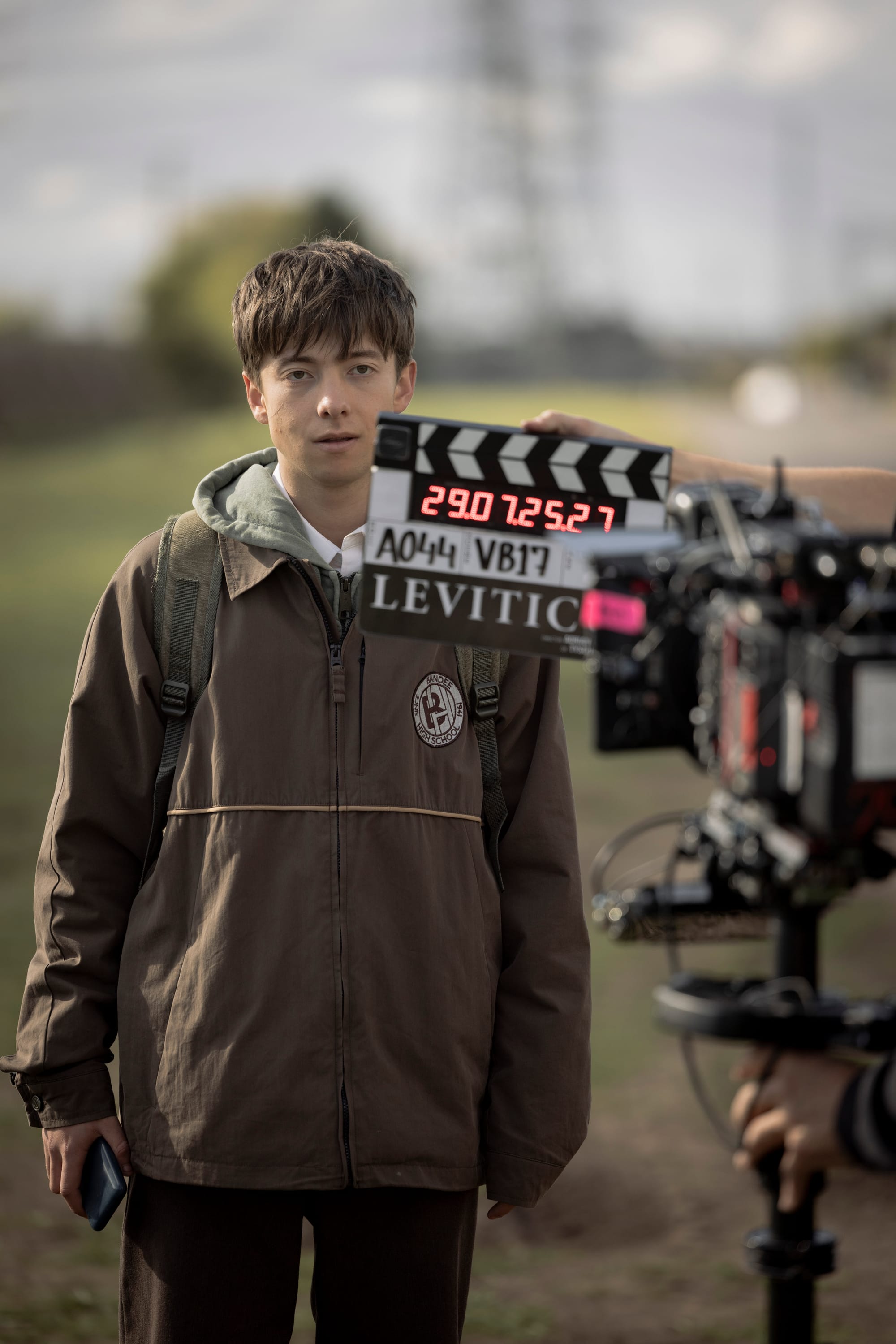
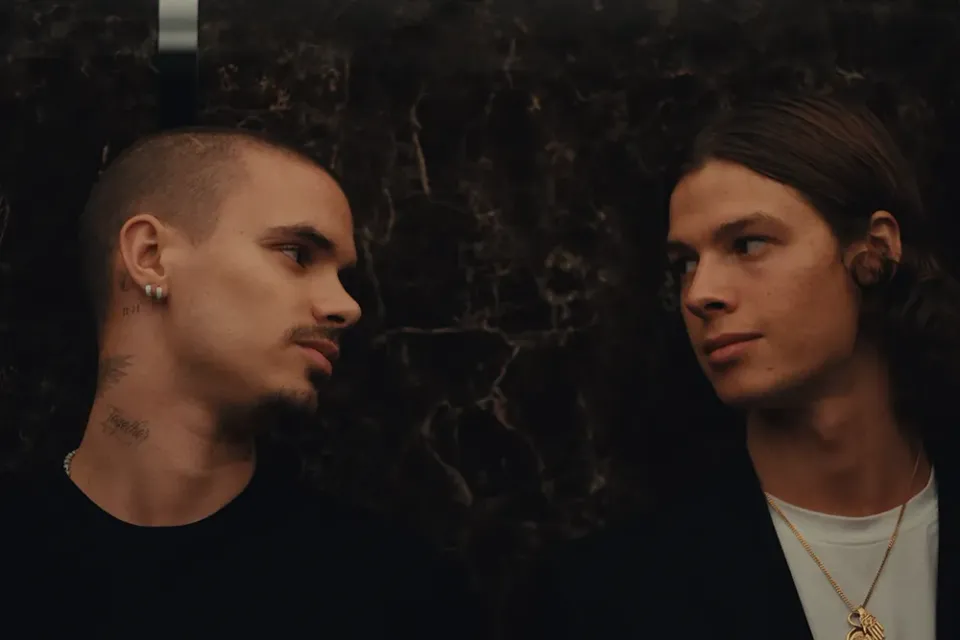
Naim Reid (Joe Bird) is newly arrived in a sleepy town in rural Australia after his father's untimely death. His mother is a member of a devout and ultimately repressive Christian community. He quickly falls for local boy Ryan Whelan (Stacy Clausen), and their secret romance is tender and sweet until it's not. Niam outs Ryan and another boy, Hunter (Jeremy Blewitt), after catching them together.
What follows is a terrifying ritual performed by a dodgy Christian healer. During this ritual, something is summoned that takes the shape of whoever its victim desires most. It waits for you to be alone. It tempts you, it beckons you, then it attacks you. A totally original idea that is very reminiscent of the emotionless stalking demon from It Follows.

Bird plays shame as a physical thing in this movie to great effect. He's all hunched shoulders and terrified flinches. He never lets Naim's jealous nature and moments of weakness roam into unlikability. He's a great actor. Clausen puts in a great performance showing both sex appeal and pathos. Both actors' natural chemistry does a lot of heavy lifting when the script's supporting characters start making choices that slowly destroy the boys' happiness. The two main characters come back together constantly in spite of the great risk to their safety, and the movie deserves top marks for showing this.
Director Adrian Chiarella produces a terrific final product with real cinematic quality. The Australian countryside is shown in a bleak and flat atmosphere, all dead grass and dust. The 1980s vampire movie After Dark produced a similar vibe, and the landscape lends itself to a continuing sense of dread. The town itself feels like a trap for the boys. The cinematography favours long, lingering frames that let the tension build.
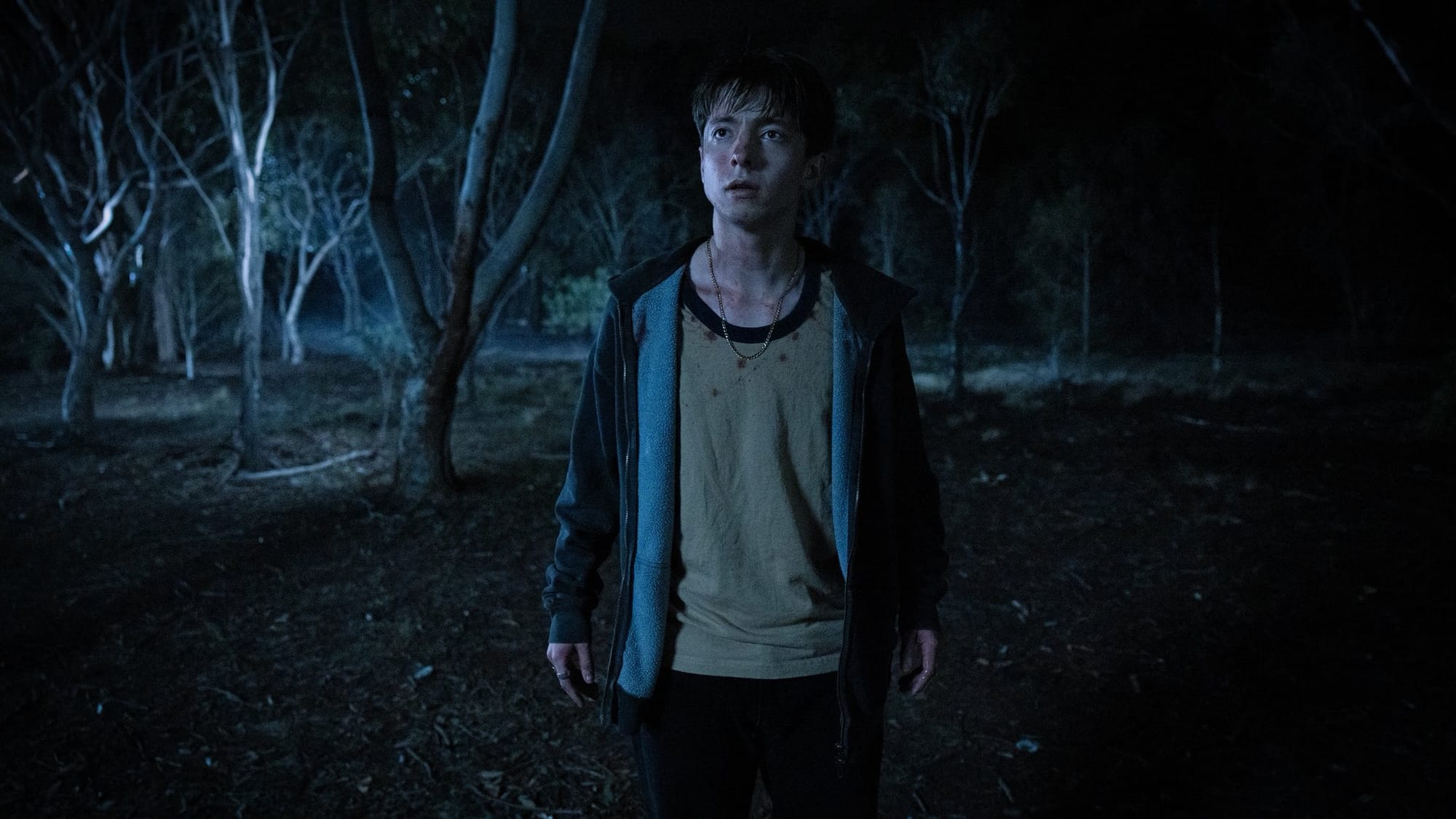
The film's queerness isn't portrayed as subtext dressed up so a straight audience can look away. The boys are gay front and centre; there's no ambiguity in their orientation. The horror is initially shown in the terrifying conversion ritual. The town's intolerance and homophobia are all filmed with the same disturbing attention as the boys' tenderness together. A handjob on a bus home is shot with the same care as the exorcism that comes before it; desire and violence are given equal weight.
The film understands that gay desire under religious repression doesn't get to just be romantic; it's also hidden and guarded. Where the movie works the strongest is the idea of where its monster comes from. The awful thing haunting these boys isn't guilt; it's an actual demon. Built by the religious community that these boys are trapped in. That's a terrific plot point, and it works.
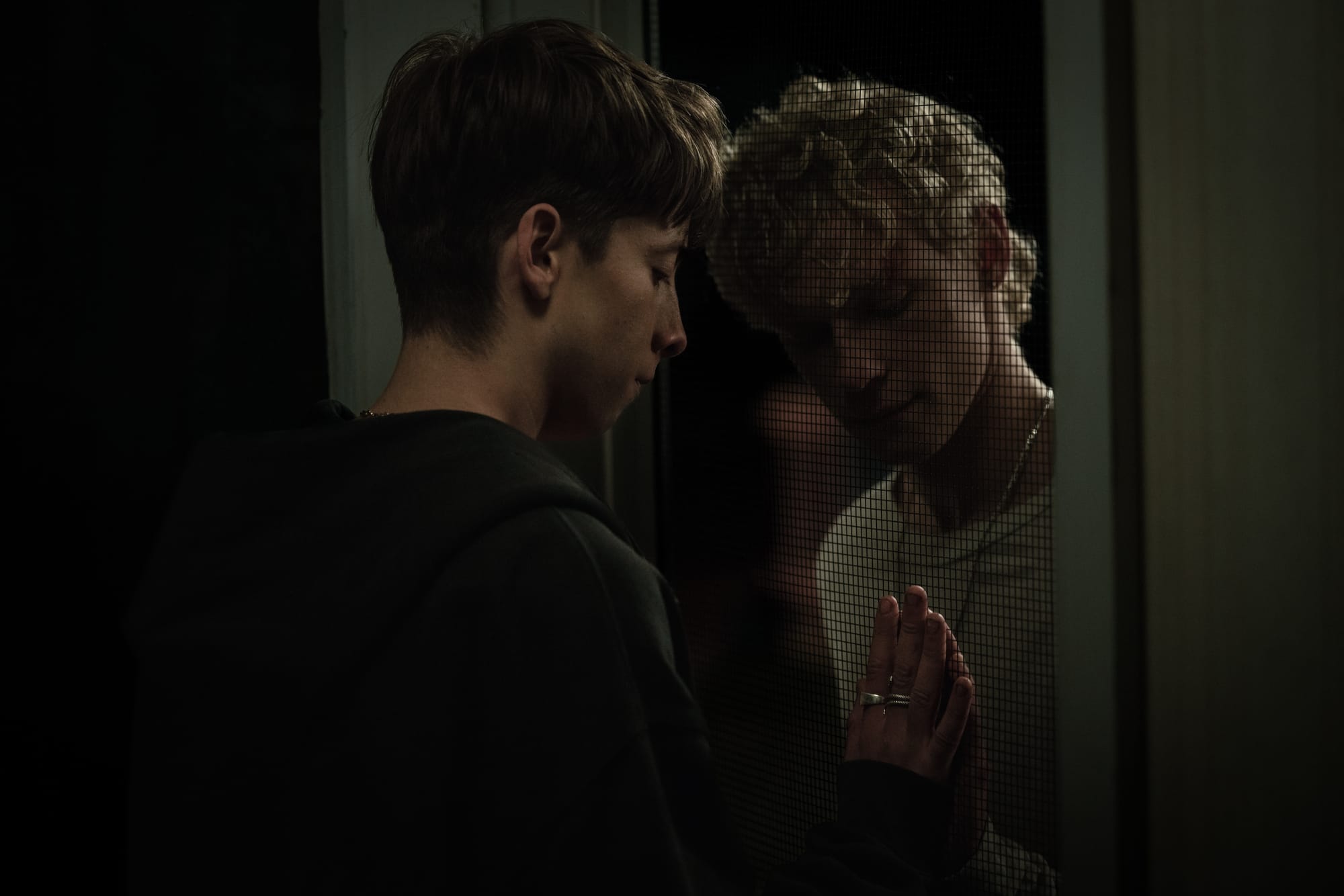
However, the final stretch rushes a resolution that deserved more room to breathe and ultimately robs the movie of a stronger wrap-up. However, Niam's mother, played by a wonderfully damaged Mia Wasikowska, reveals a terrible secret in a strong scene late in the movie. A real punch to the stomach narratively, Leviticus is a rare thing: a horror movie that shows gay desire and frailty as something worth fighting for and treasuring. A fine genre addition. Definitely worth going to see on the big screen.
Leviticus is scheduled for theatrical release in the UK on 2 September 2026.
Scene was founded in Brighton in 1993, at a time when news stories about Pride protests were considered radical.
Since then, Scene has remained proudly independent, building a platform for queer voices. Every subscription helps us to report on the stories that matter to LGBTQ+ people across the UK and beyond.
Your support funds our journalists and contributes to Pride Community Foundation’s grant-making and policy work.



Member discussion