

Lunaris at St Nicholas: BREMF
Recorder virtuoso Anna Stegmann and violinist Jorge Jiménez traced the phases of the moon through medieval, Baroque and modern music, with an intimate, atmospheric, fluid space for BREMF audiences, with humour, grief and a hypnotic bass recorder, a perfect evening of transformation.


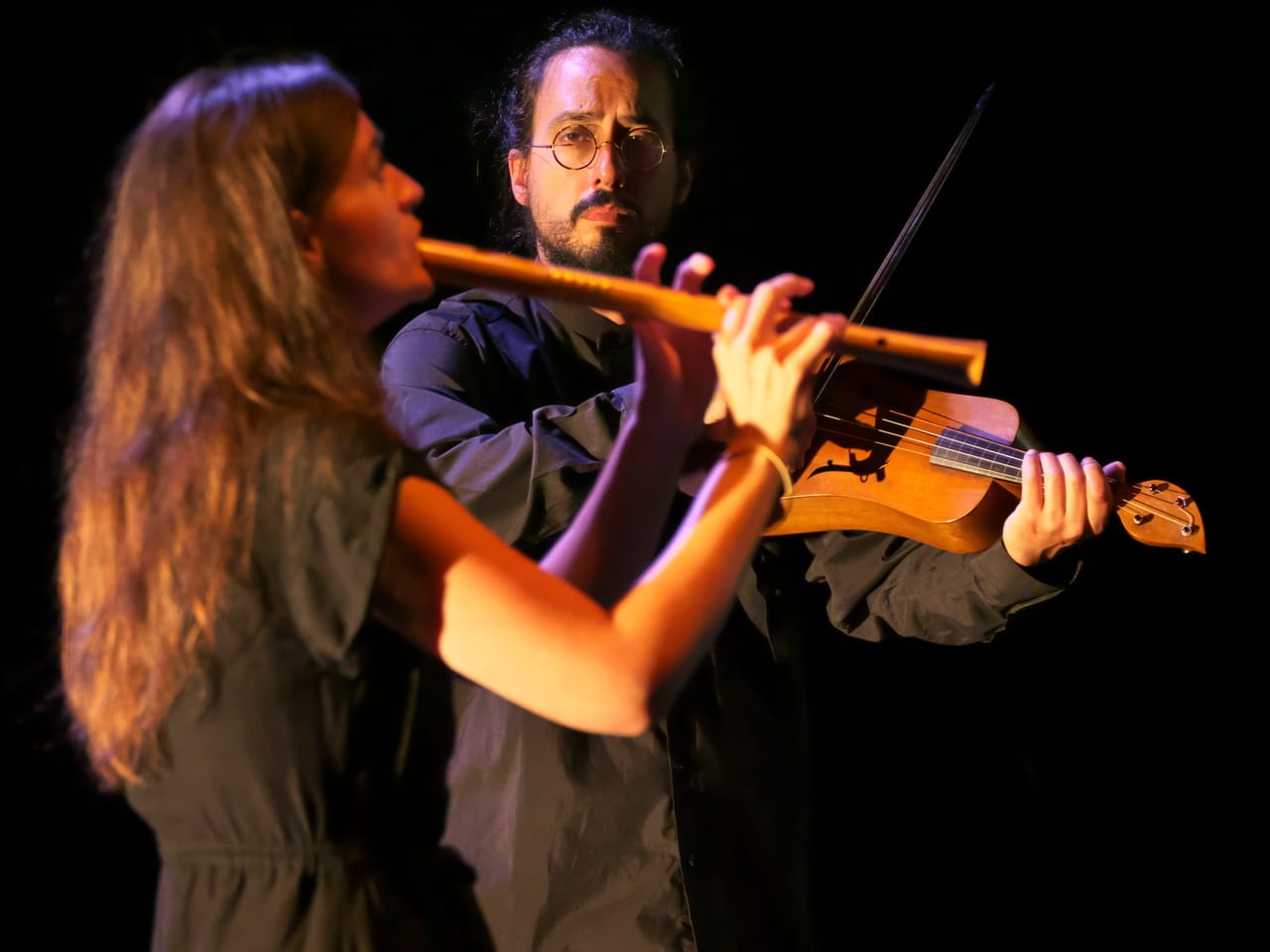
At BREMF on Sunday, 18 October, Anna Stegmann and Jorge Jiménez stepped in at short notice and gave one of the festival’s most absorbing evenings.
Their programme follows the moon through new, crescent, full and eclipse, and uses the cycle to link medieval, Renaissance, Baroque and modern music. The moon is the sky’s great shapeshifter, a symbol of transformation, longing and renewal, and the evening treated the borders between eras and styles as porous rather than fixed. It opened with Hildegard von Bingen, a visionary who made her own authority within a rigidly male church. A programme so at ease with fluidity started aptly with Hildegard.
Read the full programme and creative credits via this link
Recorder and violin are rarely heard as a duo, and the combination was a delight. The recorder’s breathy, hollow tone and the violin’s grainy, bowed warmth can blend until it's difficult to tell who speaks, then they part into entirely separate worlds. This duo blend 13th- and 14th-century medieval music with modern classical arrangements and original ambient soundscapes. With this occasional electronic line beneath them, harmony is often implied rather than stated, and the ear fills in what is missing. Medieval canons, Baroque counterpoint and folk dances emerged with a clarity and strangeness that larger forces might smooth away. Music separated by centuries sounded like distant relatives.
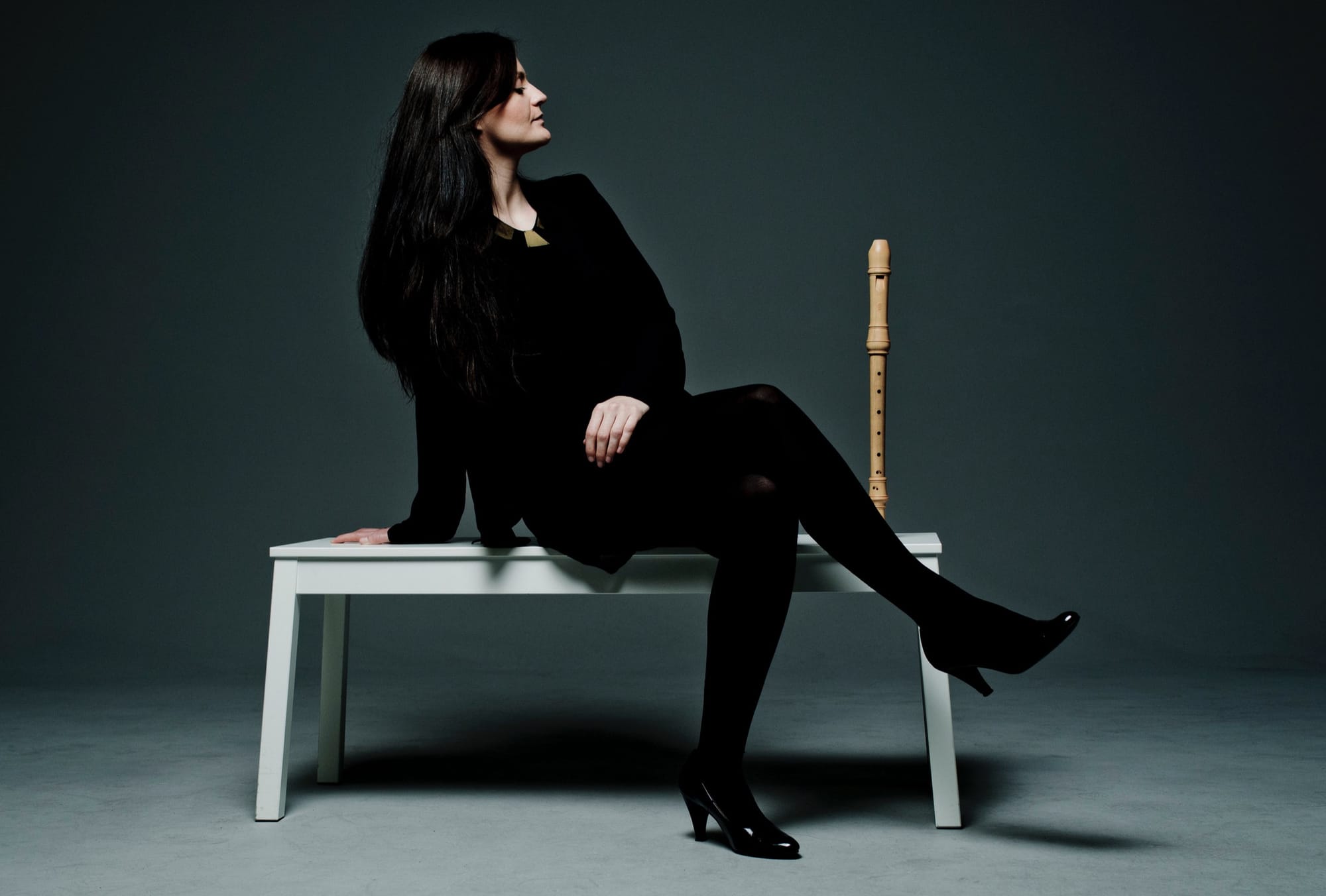
Stegmann moved at speed through a curious family of recorders, each with its own voice. They closed the first half with Chick Corea’s Children’s Songs, played on a deep bass contrabaso (or basset?) whose rapid, throbbing pulse held my attention completely. It was hypnotic, and a wonderful way to end the opening section. Jiménez was thrilling in his exploration of the different playing techniques of his instruments, and drew a range of colours from them.
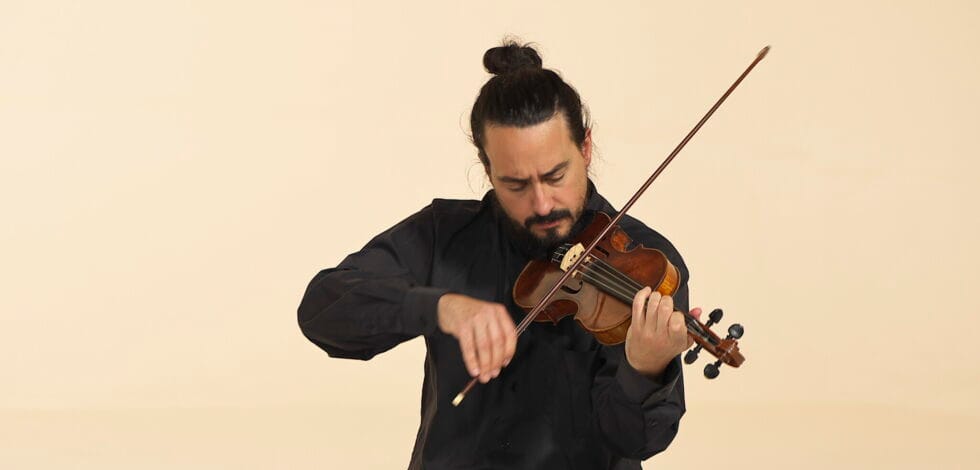
The Ciconia canons were exquisite. A canon is essentially a melody chasing its own tail, a little like a round, and Ciconia’s examples show the mathematical delight medieval composers took in such puzzles. Brief, helpful explanations from the stage let the intricacy register without ever turning into a lecture. Bach was superb. The Chaconne from the Second Partita, often heard as an outpouring of grief, became a meditation on loss, and the duo’s insights into how Bach and his fellow musicians were treated by their employers reminded us that great art was often made by people with very little power.
Both players were engaging company. They opened with humour and then descended into serious music-making, and that balance gave the evening an intimate feel. Bartók was perhaps more than I needed, and I would happily have traded a dance or two for more of the older repertoire. I was in a minority, though, and the audience clearly relished every folk rhythm.
The setting is perfect. St Nicholas’s ancient walls and timber beams, and a darkening autumn night outside, suited music about light and shadow. My one quibble is the lighting. The church is at its most atmospheric when dimly lit, and a lower glow would have made the moon theme even more immersive.
Even so, this was exactly what BREMF does best: virtuoso performers presenting old music in fresh, curious and approachable ways. It was a thoroughly modern take on ancient and not-so-ancient sounds, delivered with charm and real musical depth.
Lunaris was performed at St Nicholas Church, Brighton, on Sunday 18 October as part of the Brighton Early Music Festival. BREMF continues this weekend, full programme and tickets can be seen via this link.
Scene was founded in Brighton in 1993, at a time when news stories about Pride protests were considered radical.
Since then, Scene has remained proudly independent, building a platform for queer voices. Every subscription helps us to report on the stories that matter to LGBTQ+ people across the UK and beyond.
Your support funds our journalists and contributes to Pride Community Foundation’s grant-making and policy work.





Member discussion