



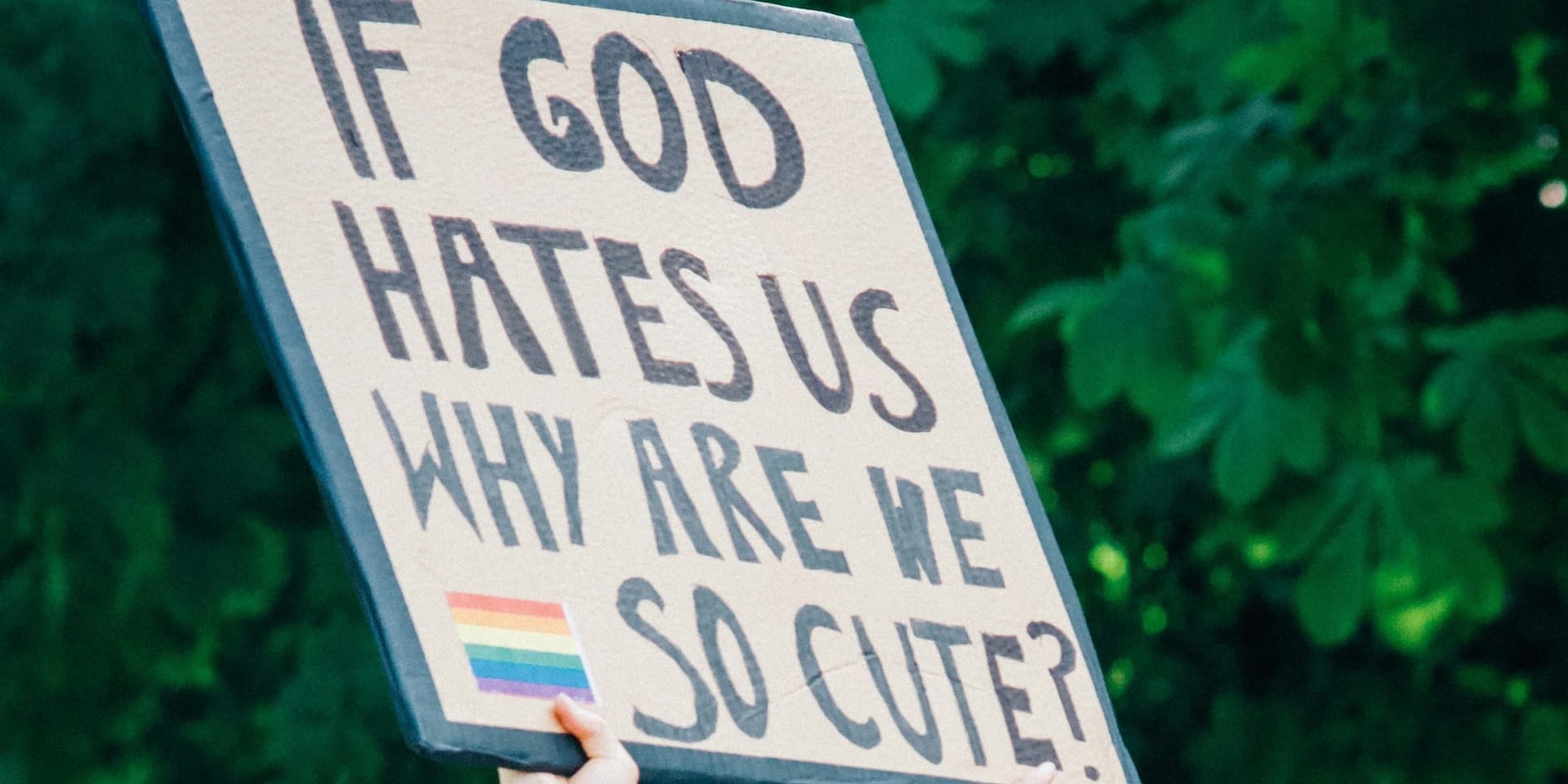
Religious homophobia is continuing to fuel so-called conversion therapy in the UK, according to two new reports that detail allegations of exorcisms, coercive prayer sessions and attempts to "cure" LGBTQ+ people through religious intervention.
A report by LGBTQ+ anti-abuse charity Galop found that religion-based conversion practices pose a "significant risk" to LGBTQ+ people. The research analysed case records from almost 200 clients who sought support from the charity between 2022 and 2025.
More than a quarter of the cases examined by Galop, 27%, involved religion-based conversion practices. These ranged from forced or coerced prayer sessions to religious aversion therapy, exorcisms and attendance at religious camps, programmes and care homes.
Many survivors described being told their sexuality was sinful, demonic or something that could be changed through faith. One client reported that their father described their sexuality as "demonic", while a church pastor allegedly agreed that they "needed to be delivered". Another said their parents encouraged them to attend church to "cure" their sexuality, while a third reported being pressured to study religious texts and marry in order to overcome feelings of same-sex attraction.
The report also contains accounts of more extreme practices. One survivor alleged that an imam performed a ritual intended to remove a devil from them, while another described being pinned down during an exorcism as scripture was read aloud. Another client said they were hit with a Bible by a pastor attempting to "beat the demon out".
"They used holy water and were trying to cast out the demons, making me confess and pray the demons out."
The findings were published alongside a separate report commissioned by the Diocese of St Albans into allegations of abuse at St Andrew's Church in Chorleywood, Hertfordshire.
The church review details claims of conversion therapy and psychologically abusive exorcisms involving children and young people between the 1980s and early 2000s.
One survivor said they were subjected to an exorcism as a teenager because of their sexuality.
"They used holy water and were trying to cast out the demons, making me confess and pray the demons out," the individual said. "I have been irreversibly damaged."
Another parent said their son revealed he had been taught at a church youth camp that being gay was "an abomination in the sight of God" and had been prayed over in an attempt to make "the gay go away".
A further survivor said they underwent two years of what was described as deliverance ministry after a church leader suggested demons had entered them through childhood abuse. They claimed they were discouraged from seeking medical help and warned that any failure of faith would result in demons returning.
The reports have reignited debate over the role of religion in conversion practices and whether existing safeguards go far enough to protect LGBTQ+ people.
The National Secular Society (NSS) said the findings add to growing evidence that religious homophobia remains a major driver of conversion therapy.
Alejandro Sanchez, a spokesperson for NSS, said: "These reports add to an ever growing body of evidence that religious homophobia is a major driver of so-called conversion therapy.
"If the Government is serious about ending conversion therapy, it should start by ending the state-subsidised promotion of religious homophobia in the charity sector and our education system."
The NSS has also highlighted concerns about religious organisations and educational settings that continue to promote negative views of homosexuality. The group noted that some faith-based charities have faced criticism over anti-LGBTQ+ messaging, while previous research found examples of faith schools teaching that homosexuality was morally wrong.
The publication of the reports comes amid ongoing calls for the UK Government to introduce legislation banning conversion practices. Campaigners have long argued that any ban must include religious settings, while survivors and LGBTQ+ organisations continue to raise concerns about the lasting psychological harm caused by attempts to change or suppress a person's sexual orientation or gender identity.
Scene was founded in Brighton in 1993, at a time when news stories about Pride protests were considered radical.
Since then, Scene has remained proudly independent, building a platform for queer voices. Every subscription helps us to report on the stories that matter to LGBTQ+ people across the UK and beyond.
Your support funds our journalists and contributes to Pride Community Foundation’s grant-making and policy work.

Member discussion