



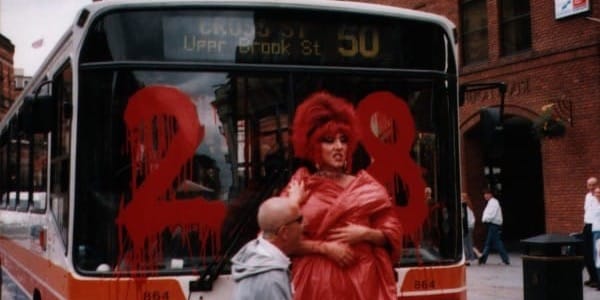
A petition calling for a public inquiry into the impact of Section 28 has surpassed 10,000 signatures, meaning the Government is now required to issue a formal response.
The campaign has been led by the Section 28 Justice Coalition, an entirely volunteer-run group founded earlier this year to seek accountability for the effects of the controversial legislation and to challenge what it describes as a resurgence of LGBTQ+ censorship.
Launched in February, the coalition says it has rapidly built support through social media and grassroots organising. In addition to the petition milestone, more than 150 individuals and organisations have signed a public pledge opposing LGBTQ+ censorship, including national charities, youth services, Pride organisations and local community groups.
Section 28, in force from 1988 until its repeal in 2003, prohibited the “promotion of homosexuality” by local authorities and schools. Campaigners argue its long-term impact has never been formally acknowledged by any UK government.
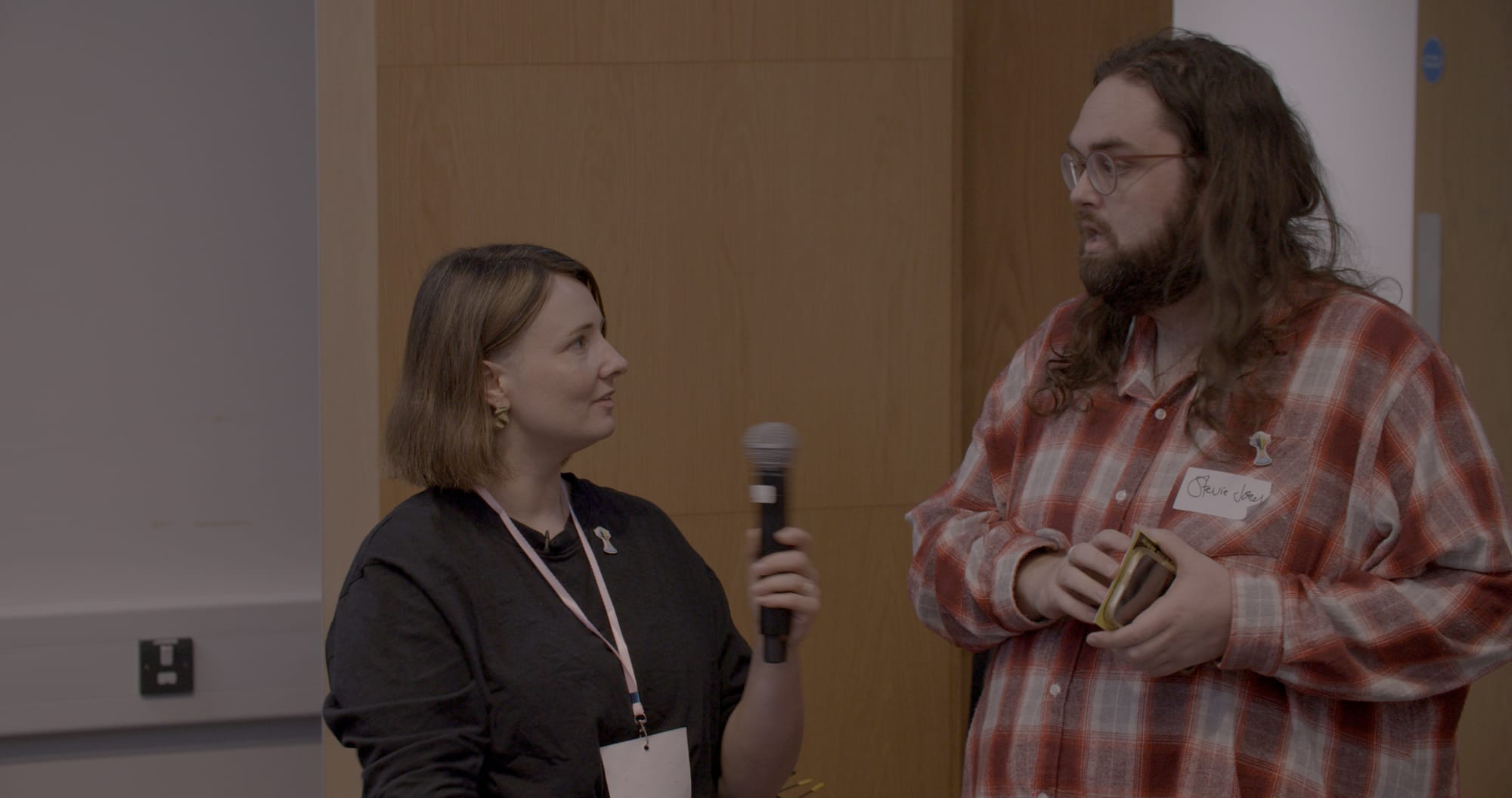
The coalition was formed following a conference titled After Section 28: LGBTQ+ Rights in an Age of Censorship and Backlash, held in February 2026. Its founders say the initiative brings together a range of organisations and projects united by opposition to what they see as renewed attempts to marginalise LGBTQ+ voices.
They point to a range of recent developments as evidence of growing pressure on public institutions, including reports of book removals from libraries, cancellations of LGBTQ+ speakers in schools, and restrictions on Pride-related activity by some local authorities.
Among the evidence cited by the coalition is a survey of school librarians in which more than half said they had been asked to remove books, with many complying. Other research highlighted concerns about limited positive LGBTQ+ representation in schools and barriers to inclusion reported by staff.
The group is pursuing several strands of activity alongside the petition campaign, including lobbying MPs and engaging with the All-Party Parliamentary Group (APPG), commissioning and collating research, and building a public archive of personal testimonies from those affected by Section 28. It is also developing a feature-length documentary, Don’t Say Gay, due for release in 2027.
Public figures have lent their support to the campaign, with actor Russell Tovey, designer Hannah Drakeford and singer Boy George sharing its materials online. Lord Michael Cashman, a co-founder of Stonewall, has also backed the petition, stating that it is important to hold governments to account for past legislation.
Sue Sanders, a co-founder of LGBTQ+ History Month and of the coalition itself, said the legacy of Section 28 required formal examination. She argued that the policy had shaped attitudes beyond the UK and influenced similar measures internationally.
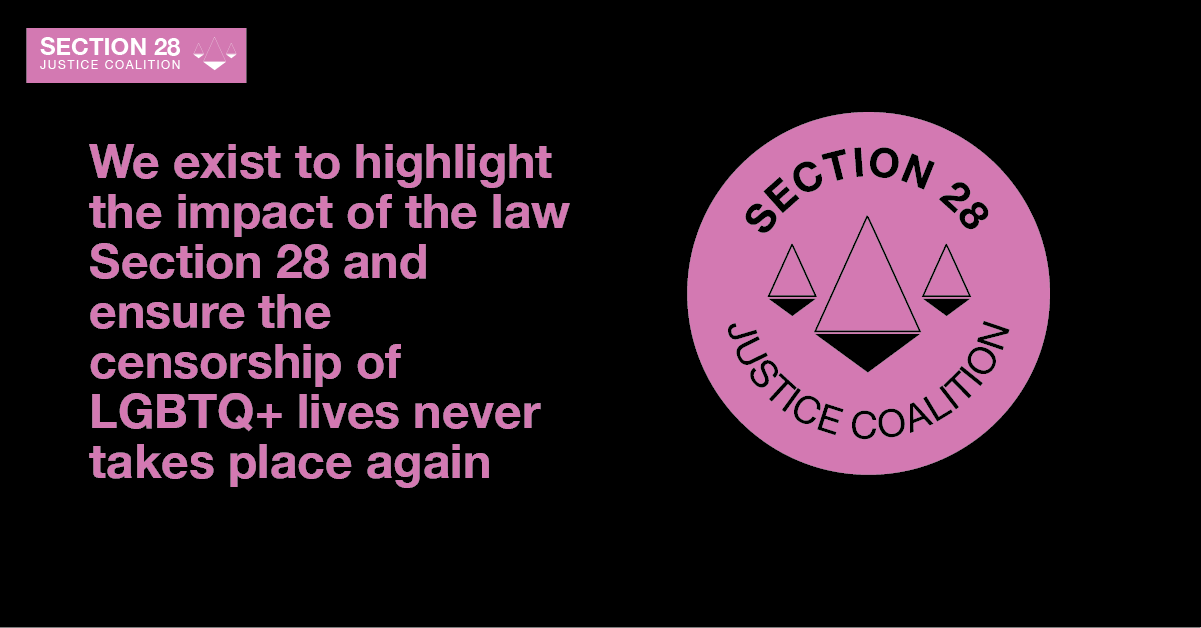
The coalition’s co-chairs, Stevie Jones and Sarah Drummond, said the original legislation not only imposed legal restrictions but also reinforced wider cultural pressures.
“Section 28 didn’t just silence LGBTQ+ people through law - it operated alongside and reinforced wider cultural pressures that made LGBTQ+ lives invisible,” they said. “That combination of legislative and cultural silencing is re-emerging today.”
They added that reaching the 10,000-signature threshold marked a significant moment for the campaign.
“We are hugely grateful to everyone who has signed the petition and are delighted that it has reached ten thousand signatures so the Government has to respond,” they said. “We have been staggered by the strength of support from the LGBTQ+ community and its allies.”
The coalition plans to continue raising awareness over the summer, with volunteers attending Pride events across the UK and a planned march in the Pride in London parade on 4 July.
Under parliamentary rules, petitions that pass 10,000 signatures require a Government response, while those reaching 100,000 signatures are considered for debate in Parliament.
SIGN THE PETITION HERE
Scene was founded in Brighton in 1993, at a time when news stories about Pride protests were considered radical.
Since then, Scene has remained proudly independent, building a platform for queer voices. Every subscription helps us to report on the stories that matter to LGBTQ+ people across the UK and beyond.
Your support funds our journalists and contributes to Pride Community Foundation’s grant-making and policy work.



Member discussion