

Oradea Pride march in Romania banned for fourth consecutive year with authorities citing ‘public morality’


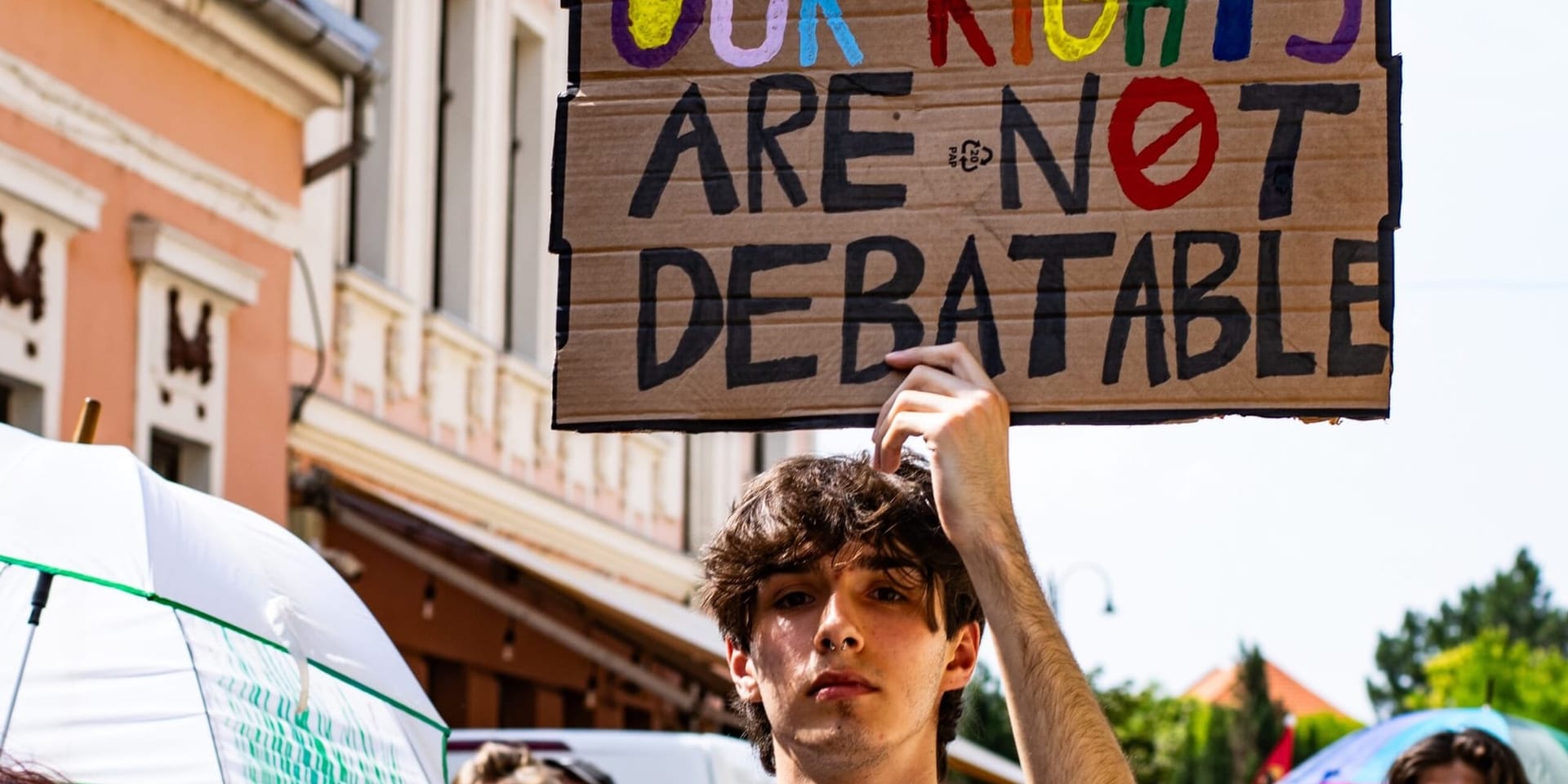
The mayor of Oradea in Romania has banned the city's Pride march for the fourth consecutive year, prompting accusations of discrimination from LGBTQ+ rights groups and renewed concerns over freedom of assembly in the country.
Oradea City Hall issued an order signed by Mayor Florin Birta prohibiting this year's Oradea PRIDE March, citing concerns that the event would violate "social norms of conduct and public morality".
The decision has been strongly criticised by local LGBTQ+ organisation ARK ORADEA and national rights group ACCEPT, which argue that the repeated refusal to allow the event amounts to a pattern of discrimination against the community.
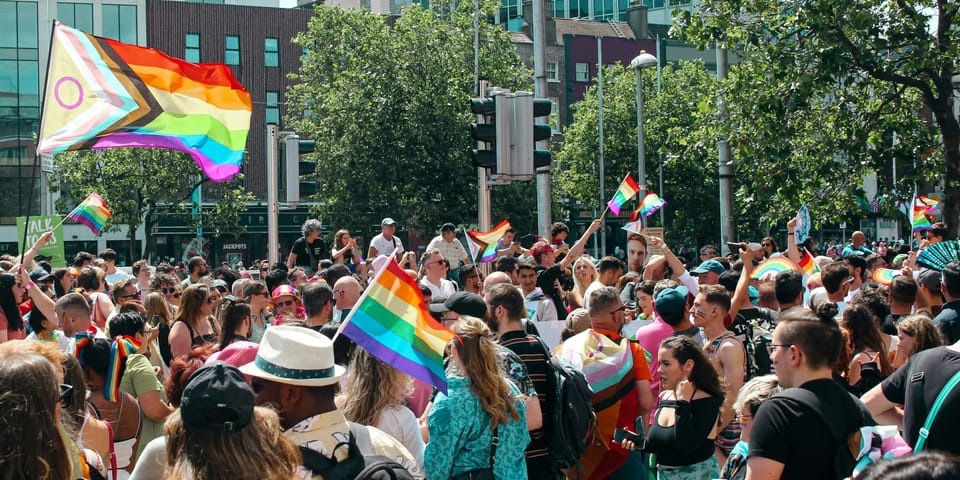
Despite the ban, organisers have said the march will go ahead on 25 July, with participants due to gather outside Oradea City Hall at 4pm.
In a joint statement, the organisations said four consecutive bans could no longer be dismissed as administrative difficulties, arguing that preventing the same community from holding a peaceful public demonstration year after year amounted to differential treatment with a discriminatory effect.
Iulian Dițiu, president of ARK ORADEA, said the local authority's reliance on "public morality" as justification for the ban demonstrated what he described as "institutionalised homophobia".
"Oradea City Hall explicitly cites 'public morality' in writing as the reason for banning our march, for banning our right to peaceful assembly," he said.
"This argument confirms the existence of institutionalised homophobia and direct discrimination against our community, against LGBTQ+ people in Oradea, their families and friends, and against all citizens who support democracy and the rule of law by joining our protest."
Dițiu argued that participants were exercising their constitutional rights rather than threatening public order, adding that local authorities were continuing to infringe fundamental freedoms.
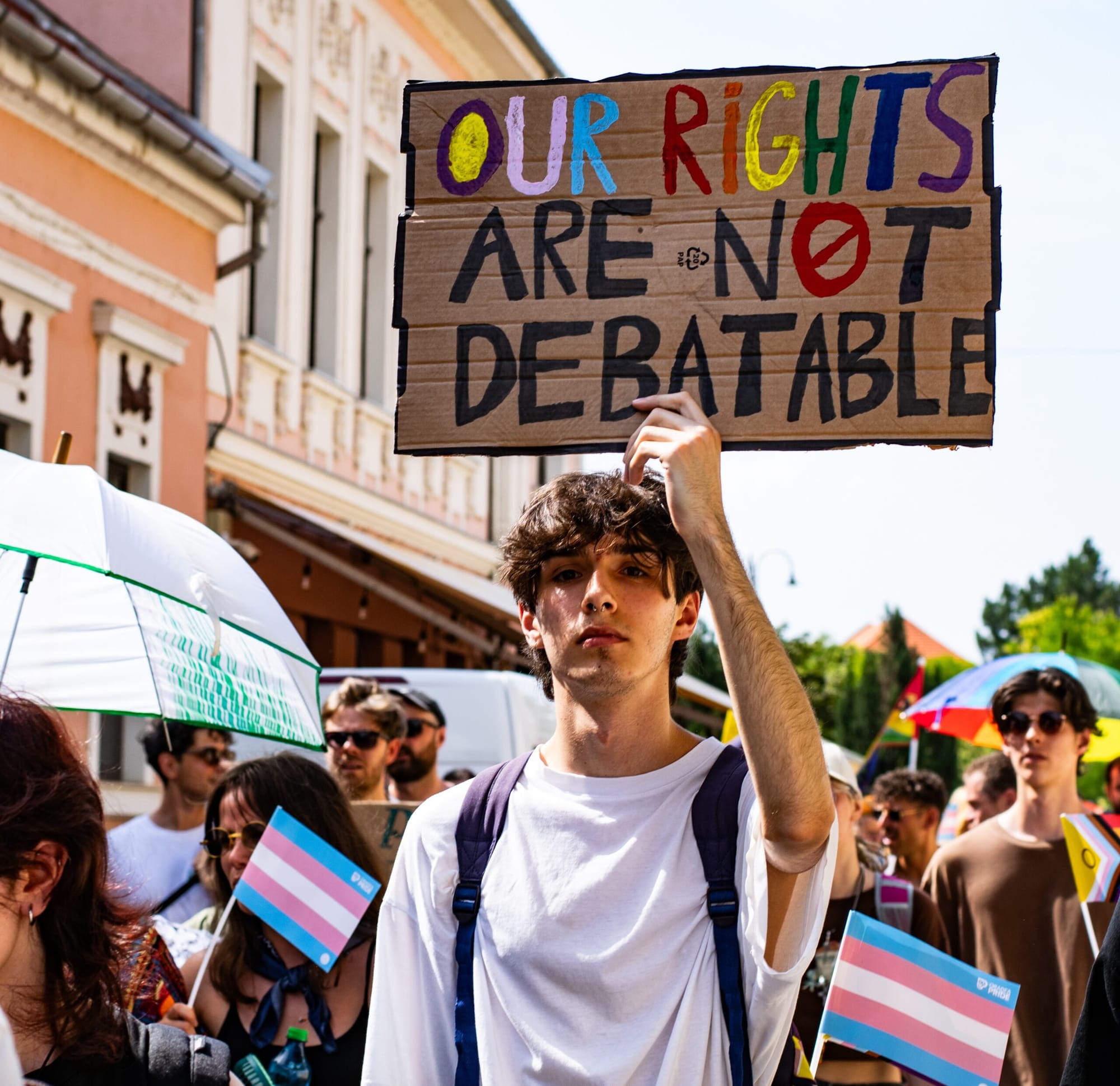
Victor Ciobotaru, executive director of ACCEPT, also condemned the decision, comparing the reasoning behind the ban to arguments historically used to justify the criminalisation of LGBTQ+ people.
"It is shameful that Mayor Florin Birta is relying on arguments that were used twenty-five years ago by those who defended the criminalisation of LGBTQ+ people," he said.
Ciobotaru argued that the decision was incompatible with European human rights standards and effectively treated the public visibility of LGBTQ+ people as a legal problem.
Organisers said they had complied with all legal requirements and had submitted notification of the march at the earliest date permitted by law. They also claimed to have proposed more than 100 alternative routes in an effort to reach an agreement with local authorities on a central route through the city.
According to the organisers, every proposal was rejected.
The dispute has attracted international attention. More than 150 organisations from over 30 countries have expressed support for Oradea PRIDE and called for the right to peaceful assembly to be respected.
Organisers said the Council of Europe's Commissioner for Human Rights had raised concerns about the situation, while several Members of the European Parliament have urged Romanian authorities to safeguard fundamental rights. They also said the European Commission was monitoring developments in light of Romania's obligations regarding the rule of law and human rights protections.
Representatives from nine diplomatic missions accredited to Romania, along with officials from the Romanian Ombudsperson Institution, are expected to be present in Oradea to observe events surrounding the march.
Campaigners argue that the repeated prohibition of the Pride march reflects a wider concern about shrinking civic space in Romania and raises broader questions about the protection of minority rights and democratic freedoms.
The organisers maintain that the event is intended to promote freedom of assembly, freedom of expression and equal treatment, rather than to target any individual or group.
Despite the latest prohibition, they insist the march will proceed, with supporters from across Romania and Europe expected to take part.
Scene was founded in Brighton in 1993, at a time when news stories about Pride protests were considered radical.
Since then, Scene has remained proudly independent, building a platform for queer voices. Every subscription helps us to report on the stories that matter to LGBTQ+ people across the UK and beyond.
Your support funds our journalists and contributes to Pride Community Foundation’s grant-making and policy work.


Member discussion