



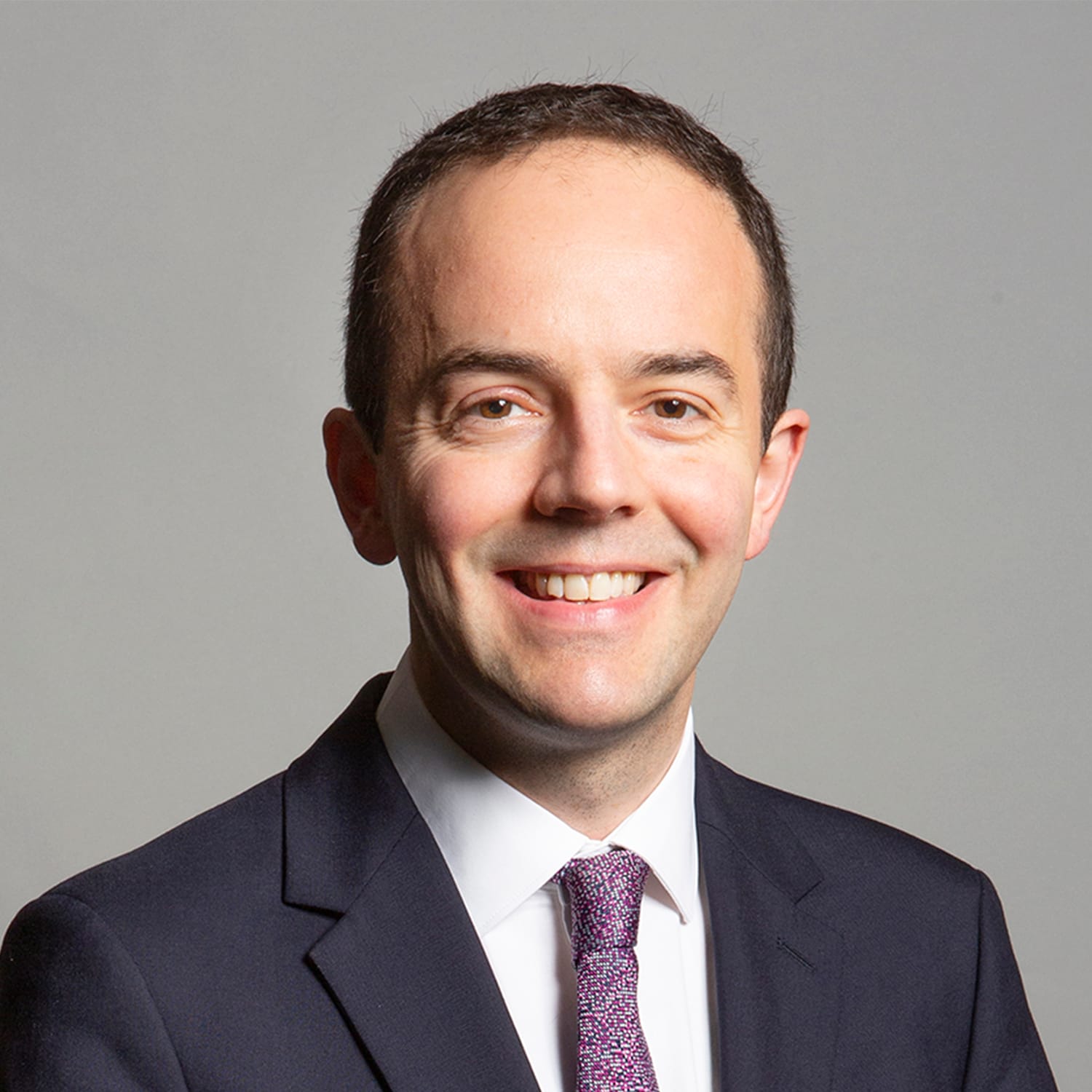
New Health Secretary James Murray has said he has “changed” how he speaks about trans issues, telling BBC Radio 4’s Today programme that he would no longer use the phrase “trans women are women”, a position he had previously supported earlier in his political career.
Asked directly about the change, Mr Murray, who replaced Wes Streeting last month, said: “I have changed what I would say. I wouldn’t say that phrase any more."
He stressed that his position reflects the Supreme Court’s 2025 judgment, which determined that the terms “woman” and “sex” in the Equality Act 2010 refer to biological sex. The ruling has significant implications for how public bodies and organisations operate single‑sex services such as hospital wards, sports categories and changing facilities.
Mr Murray said the government and the NHS would need to follow that legal framework, while also maintaining a commitment to trans people’s safety and dignity.
"You’ve said in the past ‘trans women are women’. Have you changed your mind?"@JustinOnWeb asks new Health Secretary James Murray if he’s shifted his position like predecessor Wes Streeting. pic.twitter.com/vRD5Mg4duN
— BBC Radio 4 Today (@BBCr4today) June 1, 2026
“I believe that single-sex spaces should be protected on the basis of biological sex, whilst at the same time believing in dignity for trans people,” he said, highlighting the distinction between legal definitions and personal identity.
The Health Secretary’s comments place him within a broader shift in policy across government, following the publication of updated guidance by the Equality and Human Rights Commission (EHRC), which sets out how the Supreme Court ruling should be applied in practice.
That guidance confirms that organisations may, in certain circumstances, restrict access to single‑sex services on the basis of biological sex, although trans people retain protection from discrimination under the Equality Act’s provisions relating to gender reassignment.
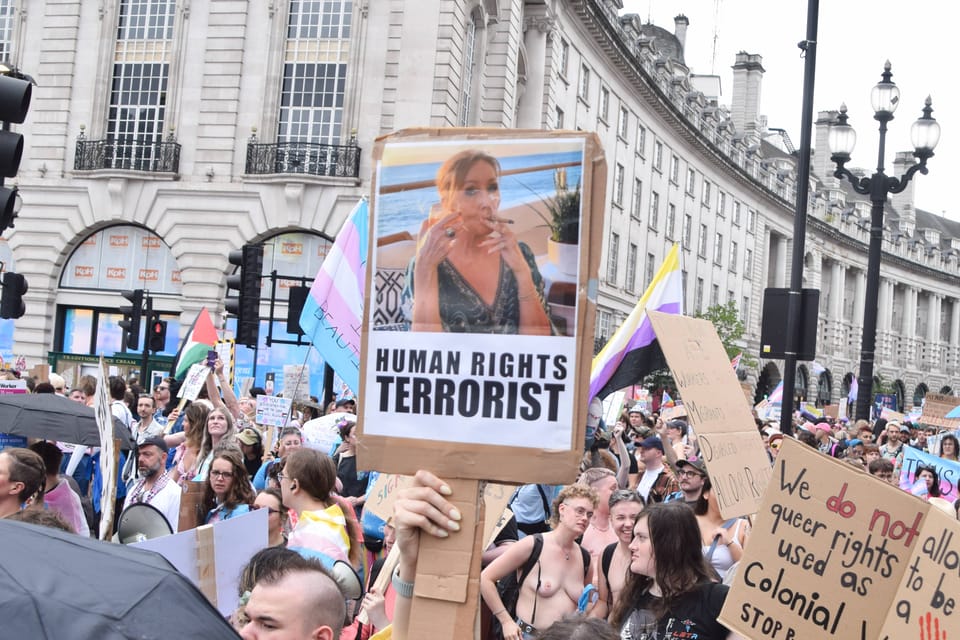
The issue remains highly contested, with campaigners and advocacy groups raising concerns about how the ruling and subsequent guidance could affect trans people’s access to services and public life. Critics argue that restrictions on single‑sex spaces risk increasing exclusion.
Advocacy groups have repeatedly stressed that any implementation of the ruling must ensure trans people can continue to access services safely and without discrimination, particularly within healthcare settings where issues of dignity and privacy are paramount.
Scene was founded in Brighton in 1993, at a time when news stories about Pride protests were considered radical.
Since then, Scene has remained proudly independent, building a platform for queer voices. Every subscription helps us to report on the stories that matter to LGBTQ+ people across the UK and beyond.
Your support funds our journalists and contributes to Pride Community Foundation’s grant-making and policy work.





Member discussion