



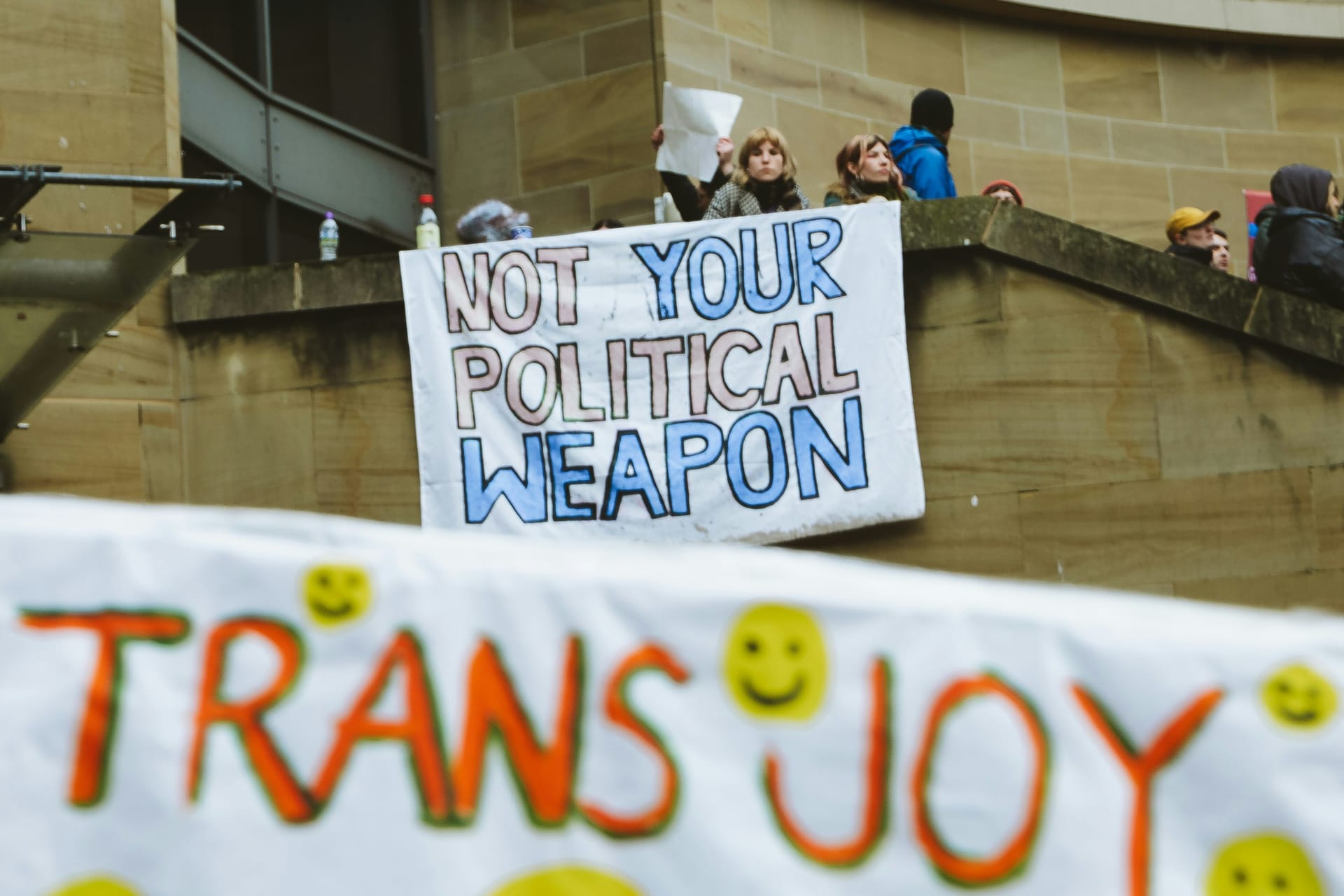
More than 100 MPs have backed an attempt to block the Equality and Human Rights Commission's (EHRC) controversial draft guidance on single-sex spaces, with support coming from across Parliament.
A total of 106 MPs have signed Early Day Motion (EDM) 240, tabled by Labour backbencher and Women and Equalities Committee member Nadia Whittome. The motion calls on Parliament to reject the EHRC's draft Code of Practice, which critics have described as a "bathroom ban" for trans people.
The EDM was submitted with support from Labour, Green and Liberal Democrat MPs and has attracted signatures from almost 50 Labour MPs, representing a significant rebellion against guidance laid before Parliament by Minister for Women and Equalities Bridget Phillipson.
Under parliamentary procedure, the draft Code will automatically come into force unless either House passes a resolution to disapprove it. While EDMs are rarely debated, campaigners say the motion is currently the principal parliamentary mechanism available to MPs seeking to oppose the guidance.
A spokesperson for Trans+ Solidarity Alliance said: "More than a hundred MPs have signed and made it clear that this code is unjust, unworkable and unacceptable. Trans people across the country are looking to their MP to join this growing chorus to reject the guidance.
"The government must hear the scale of rebellion within the Labour benches on this issue. They are able to withdraw the guidance and fix the mess of trans people's legal protections at any time. A bathroom ban is not how the Equality Act was supposed to work.
"We hope this shows the strength of feeling on this in Parliament and that it helps force a rethink on trans equality. There is nothing in the Supreme Court judgment, under any interpretation, forcing people to police each other's gender based on physical appearance as this draft guidance recommends."
When announcing the motion last week, Nadia Whittome MP said the draft Code would have serious consequences for trans people. "The Code will exclude trans people from services and facilities that they have long used without issue, putting them at increased risk of harassment and violence, and effectively pushing them out of public life," she said.
She added: "The Code represents a profound rollback of rights, which will affect trans people directly and erode the principles of inclusion, dignity and equality upon which all our rights depend."
Human rights organisation Amnesty International UK has also criticised the guidance, stating on social media that "the government's own assessment admits this guidance will put trans and gender non-conforming people at risk".
Among those backing the motion is Labour MP Ruth Cadbury, who previously criticised similar legislation in the United States. Responding in 2016 to North Carolina's so-called "bathroom bill", she said such measures were "a solution in search of a problem" and described them as "malicious, misinformed and directly threaten[ing] transgender people".
The growing opposition comes as the EHRC's chair and chief executive are due to appear before Parliament's Women and Equalities Committee today to answer questions on the draft guidance and its implications.
Scene was founded in Brighton in 1993, at a time when news stories about Pride protests were considered radical.
Since then, Scene has remained proudly independent, building a platform for queer voices. Every subscription helps us to report on the stories that matter to LGBTQ+ people across the UK and beyond.
Your support funds our journalists and contributes to Pride Community Foundation’s grant-making and policy work.


Member discussion