



For years, Brighton has been a place where queer creativity can flourish. But behind the music, the drag, the cabaret and the celebrations is a community of artists who need something just as important as an audience: a stage.
That is where Queer Town comes in. Our reporter, Liran Notik, met Paul Diello for a chat, the curator, producer and organiser who has been shaping Queer Town since 2018. What began as a space for queer performers has developed into a much-loved part of Brighton's LGBTQ+ cultural landscape - bringing together an ever-changing mix of performers from Brighton, across the UK and from around the world.
Watch our full interview with Paul Diello
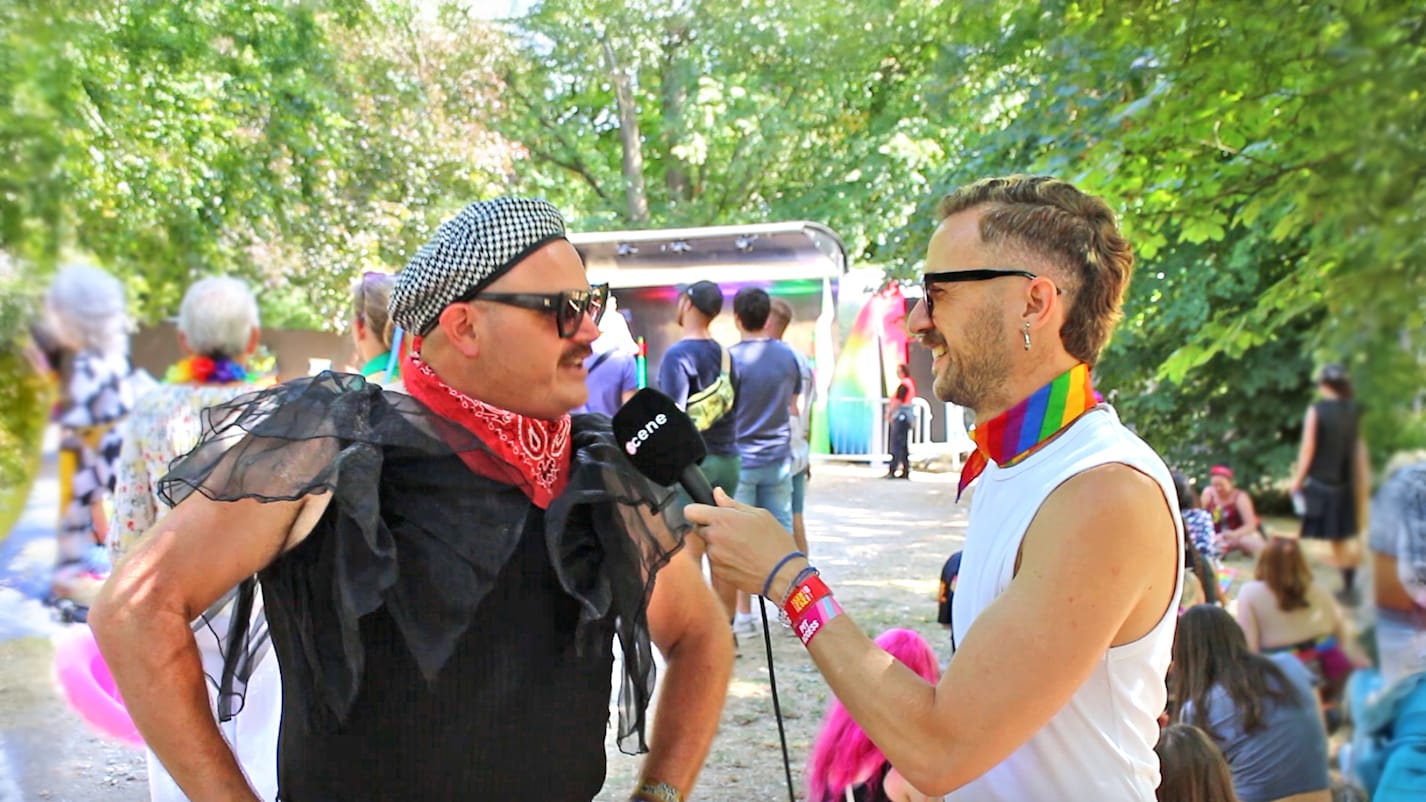
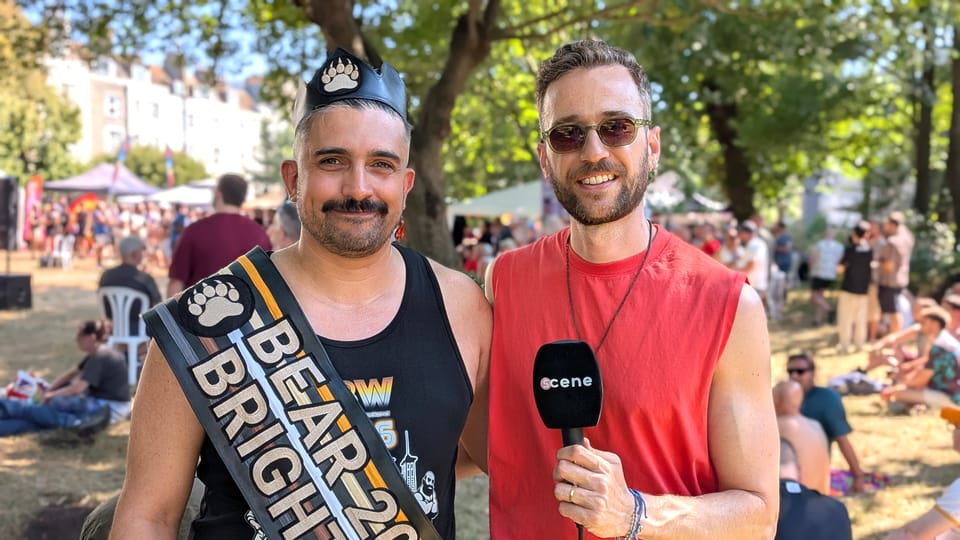
Liran Notik, in an interview with Paul Diello | Queer Town at Pride In The Park
Paul explains to Liran, that for him it is much more than putting on a good show. It is about creating opportunities.
“There’s so much talent in the LGBTQ community in Brighton alone”
Paul tells me. And that talent is exactly what he wants Queer Town to showcase.
One of the things that makes Queer Town stand out is its variety. There isn't one definition of what a queer performer should look or sound like. The programme brings together acoustic musicians and live instrumentalists alongside drag performers, cabaret artists and other forms of LGBTQ+ entertainment.
And that diversity is important. Queer Town provides a space where different generations, backgrounds, identities and artistic styles can share the same stage.
For some performers, it can be an opportunity to introduce themselves to a new audience. For others, it is a chance to return to a city and community that has embraced them.
And every year, Brighton becomes a meeting point for queer talent from much further afield.
From Brighton to around the world
Queer Town's reach extends well beyond Brighton. Paul tells me about performers travelling specifically to the city to appear on the Queer Town stage. One example is Paisley Fields, who flew in from New York specifically to perform.
They arrived in Brighton one day and was flying back out again the next.
That kind of journey says something about the importance of having a platform where queer artists know they will be welcomed, celebrated and given an audience.
For Paul, bringing these artists to Brighton Pride is part of the excitement.
“There’s just a really, really awesome mixed bag of fabulous talent”
It is not simply about finding performers to fill a programme. It is about discovering talent, giving artists visibility and creating a space right in the heart of Brighton Pride in The Park, where queer creativity can be celebrated on its own terms.
The man behind the stage
Paul himself is also a performer. When I meet him, he is preparing to go on stage himself, having already performed two sets the previous day and admitting that he has slightly lost his voice. Yet his enthusiasm hasn't disappeared.
He is excited to perform songs from his upcoming album alongside some surprise covers, promising an upbeat set designed to get people dancing. That dual role -performer and organiser, gives Paul a unique perspective.
He understands what it means to stand on that stage. He knows the nerves, the excitement and the feeling of looking out at an audience. But he also understands the responsibility that comes with deciding who gets the opportunity to stand there in the first place.
More than entertainment
Queer Town is ultimately about people. It is about the artists who travel across countries to perform. The local performers who deserve a bigger platform. The drag queens, musicians and cabaret artists who bring their own stories and creativity to Brighton. And it is about creating a space where queer talent isn't simply included - it is the reason the stage exists at Pride In The Park.
Since beginning his work as curator in 2018, Paul has helped make Queer Town a place where performers can come together, be seen and celebrate what they do. For a city with such a rich LGBTQ+ identity, that kind of platform matters.
Because queer culture doesn't exist without queer people creating it. And behind every great performance is someone willing to open the door, hand an artist a microphone and say: this is your stage.
For Queer Town, that person is Paul Diello.
Scene was founded in Brighton in 1993, at a time when news stories about Pride protests were considered radical.
Since then, Scene has remained proudly independent, building a platform for queer voices. Every subscription helps us to report on the stories that matter to LGBTQ+ people across the UK and beyond.
Your support funds our journalists and contributes to Pride Community Foundation’s grant-making and policy work.
Member discussion