



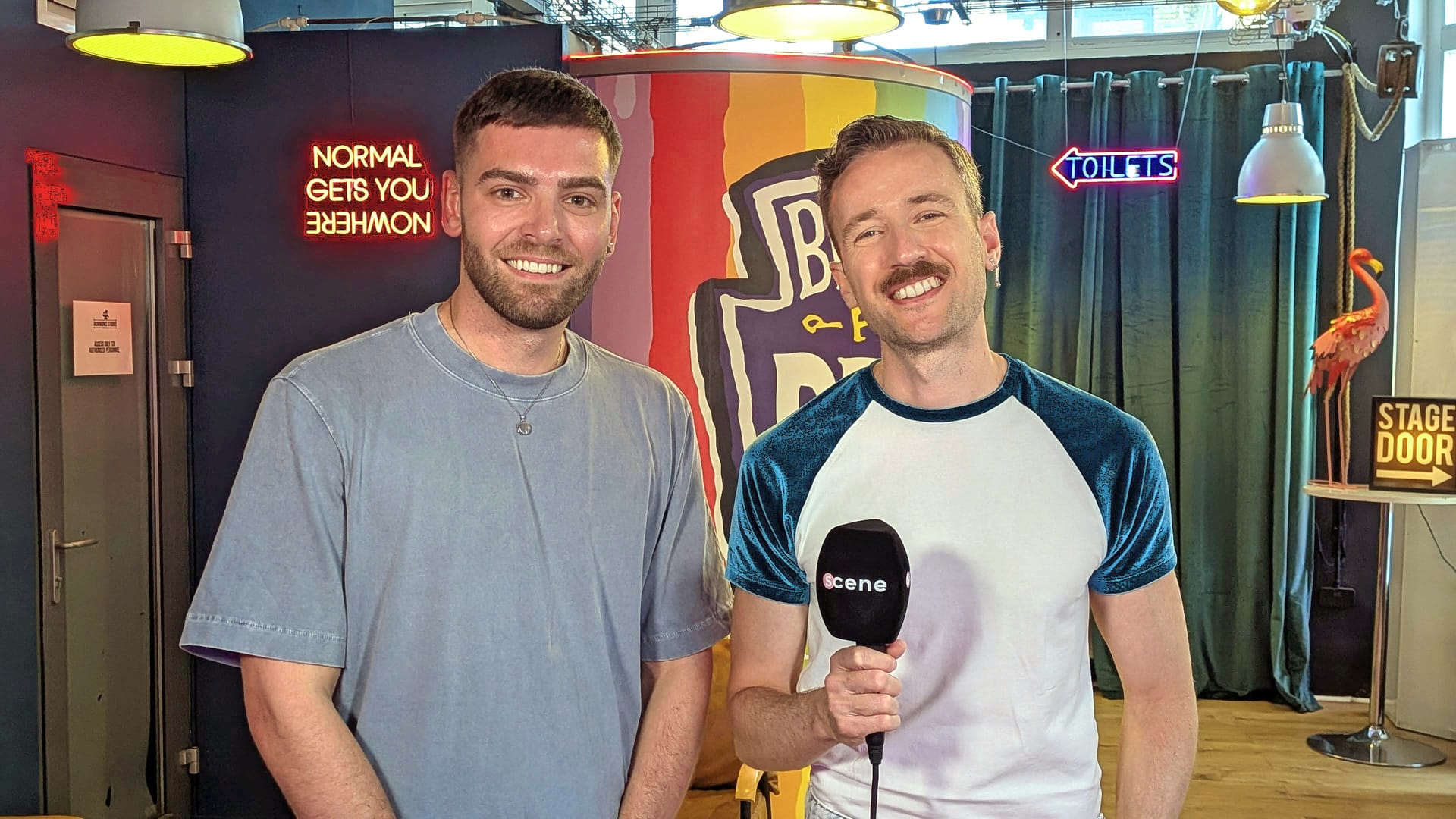
Sometimes the most important conversations don't happen on a stage or in front of a large audience. Sometimes they happen over a coffee, when someone simply asks, "How are you?" and genuinely waits for the answer.
That was exactly the feeling when I met therapist, life coach and speaker Michael C Wearing. Like many people, I first came across Michael through Instagram, where short videos about anxiety, confidence, relationships and self-worth have built a loyal and growing audience. There was something different about the way Michael spoke. There were no miracle cures or empty motivational slogans. Instead, there was honesty, warmth and practical advice that felt grounded in real life. Meeting in person only confirmed that first impression.
Watch our full interview with Michael C Wearing
A conversation with Michael C Wearing | At Ironworks Studios, Brighton
Michael's journey into therapy began long before becoming the person now helping others. Growing up, life wasn't easy. Bullying became a constant part of childhood, simply because Michael was different.
"It was physical, mental," Michael tells me. "My voice was different, my mannerisms."
Long before fully understanding sexuality, there was already a feeling of not fitting in. When Michael eventually realised being gay was part of that difference, years of bullying had already planted a painful belief.
"It led me to believe that there was something fundamentally wrong with who I am."
Sadly, that sentence will sound familiar to many LGBTQ+ people. So many grow up absorbing messages from classmates, society or even family that convince them they need to change in order to belong. Michael knows exactly how damaging those beliefs can become. Thankfully, they don't have to last forever.
At the age of 27, after what Michael describes as "a bit of a breakdown", therapy became more than simply somewhere to talk. This time, something shifted.
"This particular time was different," Michael explains. "I really surrendered and I worked really hard on myself."
That willingness to fully engage with the process transformed the way Michael viewed life.
"I touched a love inside of me that I never knew existed but innately knew had always been there."
It is one of the most memorable moments from our conversation. Rather than describing healing as becoming a different person, Michael speaks about rediscovering the person who had always existed underneath years of fear, shame and self-criticism. That experience completely changed the direction of life.
"It profoundly changed how I saw my past experiences, how I viewed myself, others and the world."
Today, Michael helps others navigate similar challenges, describing the work as both a privilege and a responsibility.
"I absolutely love it. It's a real honour and a privilege to hold space for other people."
That phrase - holding space - stayed with me. It feels very different from fixing people or giving advice. Instead, it describes creating a safe environment where someone can begin understanding themselves without judgement. Mental health has become a far more open conversation over the last decade, but Michael believes one of the biggest challenges remains unchanged.
"We think we're the only one."
Whether someone is experiencing anxiety, depression, burnout, grief or simply feeling overwhelmed, isolation has a way of convincing us that everyone else has life figured out.
"We can feel quite isolated," Michael says. "We can feel like we're on our own."
In reality, Michael reminds me, that is rarely true.
"There will be somebody else... experiencing something similar."
As someone who regularly interviews members of the LGBTQ+ community, I couldn't help thinking about Pride. Every summer we celebrate with colour, music, laughter and thousands of smiling faces. It is a wonderful celebration, but social media can sometimes create the illusion that everyone else is thriving while we quietly struggle behind closed doors. I asked Michael what advice would be given to someone who might be watching Pride celebrations while privately battling anxiety or low self-esteem. The answer is refreshingly simple. Talk to somebody you trust. And if talking feels too difficult, start writing.
"If I've got all these thoughts spinning around in my head, then I'm in that loop," Michael explains. "As soon as I start putting them on paper, I can actually start to challenge them."
Journalling isn't presented as a magic solution. Instead, it becomes a practical way of slowing thoughts down and questioning them.
"Is this accurate? Is it true?"
Sometimes, Michael explains, simply asking those questions is enough to begin breaking the cycle.
As our conversation comes to an end, I ask what message Michael hopes people will leave with after hearing the story. Without hesitation, the answer returns to something wonderfully simple.
"We're all special and unique."
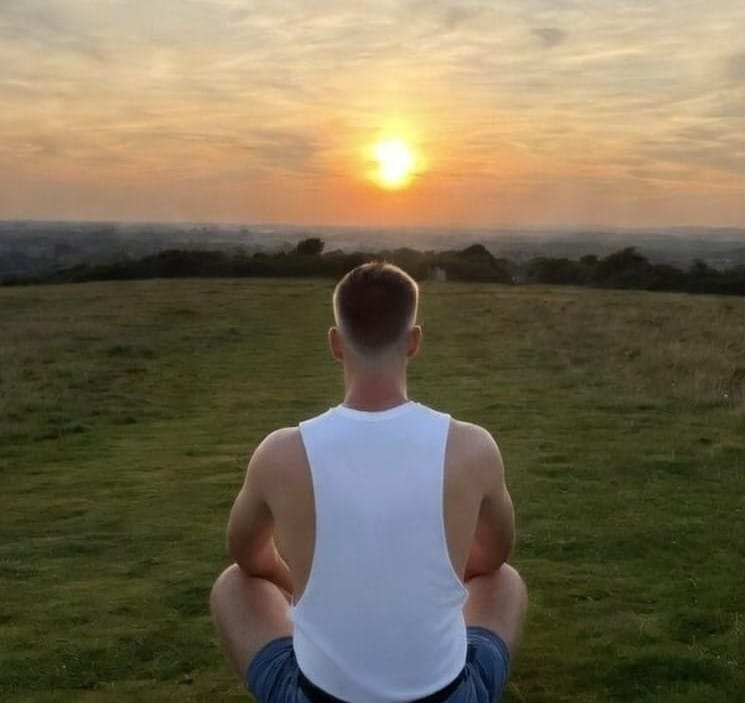
It sounds obvious, yet so many people spend years believing they are somehow not enough. Michael's message is a gentle reminder that healing isn't about becoming somebody else. It is about recognising your own value, learning self-compassion and understanding that asking for help is never a sign of weakness.
Leaving our interview, I found myself thinking less about therapy and more about kindness. Not just kindness towards others, but towards ourselves. Michael's story is proof that even the beliefs we carry for years can be challenged, rewritten and eventually replaced with acceptance.
If you're looking for thoughtful, practical and reassuring content around mental health, confidence and personal growth, Michael's Instagram is well worth following. Regular videos offer bite-sized advice, honest reflections and gentle encouragement that many of us could benefit from hearing.
You can find Michael on Instagram at @michaelcwearing, where a simple scroll might just be the reminder you didn't know you needed.
Scene was founded in Brighton in 1993, at a time when news stories about Pride protests were considered radical.
Since then, Scene has remained proudly independent, building a platform for queer voices. Every subscription helps us to report on the stories that matter to LGBTQ+ people across the UK and beyond.
Your support funds our journalists and contributes to Pride Community Foundation’s grant-making and policy work.

Member discussion