



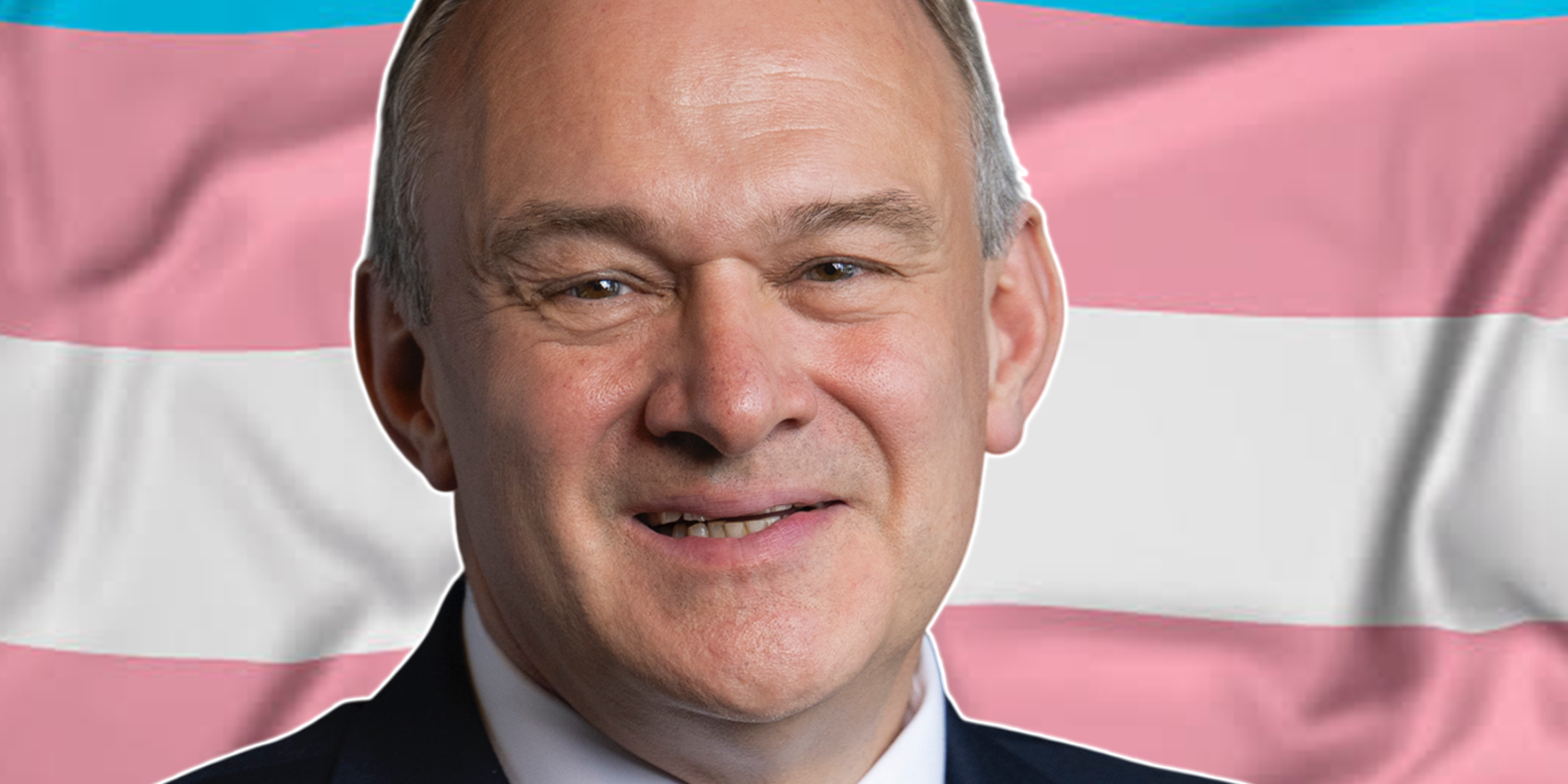
The Liberal Democrats have become the first major Westminster party to formally reject the Equality and Human Rights Commission's (EHRC) guidance on the implementation of the Supreme Court's ruling on sex and gender, after members overwhelmingly backed a motion describing the code as "discriminatory and unworkable".
Delegates at the party's annual conference in Brighton voted in favour of the motion on Monday, 21 September calling for a revised approach to implementing last year's landmark Supreme Court judgment, which held that the legal definition of a woman under the Equality Act is based on biological sex.
The move places the Liberal Democrats at odds with the EHRC's guidance issued in May, which sets out how organisations should balance the rights of trans people with requirements for some services and facilities to remain single-sex.
Critics argue that the guidance could effectively exclude many trans people from using public toilets, changing rooms and other facilities, particularly where gender-neutral alternatives are unavailable.
The motion approved by conference argues that the EHRC's code places "an undue burden on service providers" and calls for it to be rewritten. It also urges the creation of a dedicated cross-party parliamentary committee to examine how legislation could better protect the rights of trans people.
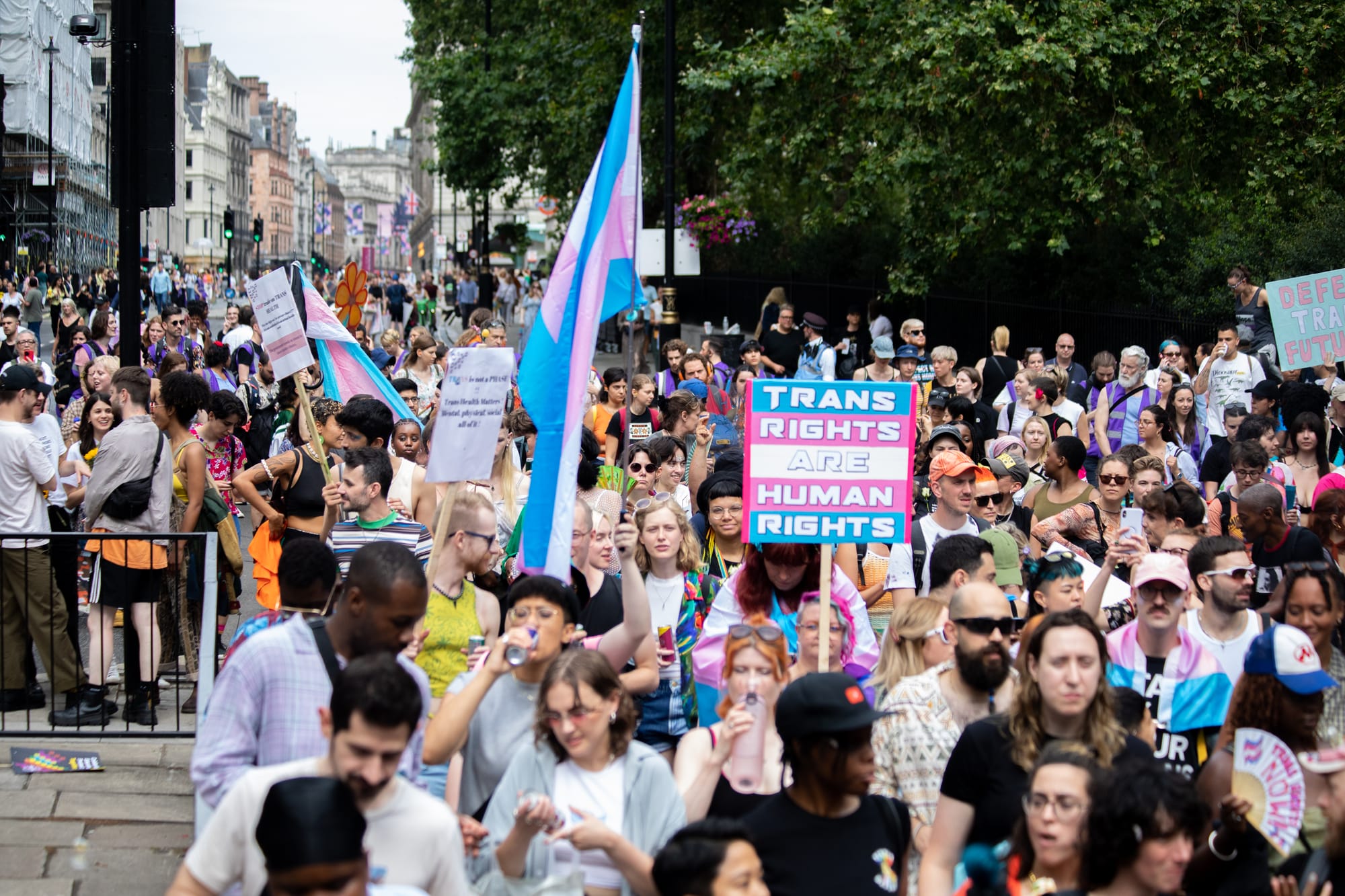
Proposing the motion, party member Lucas North warned against what they described as attempts to pit the rights of women and trans people against one another. "The rights of women and the rights of trans people do not have to be placed on opposite sides of a manufactured culture war," North told delegates, while also highlighting a rise in anti-trans hate crimes.
Rebecca Jones, a trans woman and Liberal Democrat member speaking in support of the motion, said many trans people now felt anxious about using public spaces. "You fear anyone that looks at you too much in case they hate trans people enough that they put you at risk," she said. "All whilst your government repeats the words 'dignity' and 'respect', whilst doing everything in their power to ensure trans people do not have them."
The debate was not without opposition. Surrey councillor Mark Johnston urged delegates to accept the Supreme Court ruling, arguing that reopening the issue would distract the party from broader political priorities. "That realism means accepting the Supreme Court determination last year is unassailable," he said, questioning whether the party should focus on preparing for government rather than revisiting settled legal questions.
The vote came after Liberal Democrat leader Ed Davey signalled his support for the motion earlier in the day. Speaking to the BBC, Davey said he did not believe the EHRC guidance was "fit for purpose".
The result is likely to increase pressure on the government and the EHRC from LGBTQ+ campaigners, many of whom have argued that the current guidance creates uncertainty for both trans people and organisations seeking to comply with equality law.
With the motion's passage, the Liberal Democrats have positioned themselves as the first of the three largest parties at Westminster to formally back a rethink of how the Supreme Court ruling is applied in practice, following a similar stance previously adopted by the Green Party.
Scene was founded in Brighton in 1993, at a time when news stories about Pride protests were considered radical.
Since then, Scene has remained proudly independent, building a platform for queer voices. Every subscription helps us to report on the stories that matter to LGBTQ+ people across the UK and beyond.
Your support funds our journalists and contributes to Pride Community Foundation’s grant-making and policy work.


Member discussion