



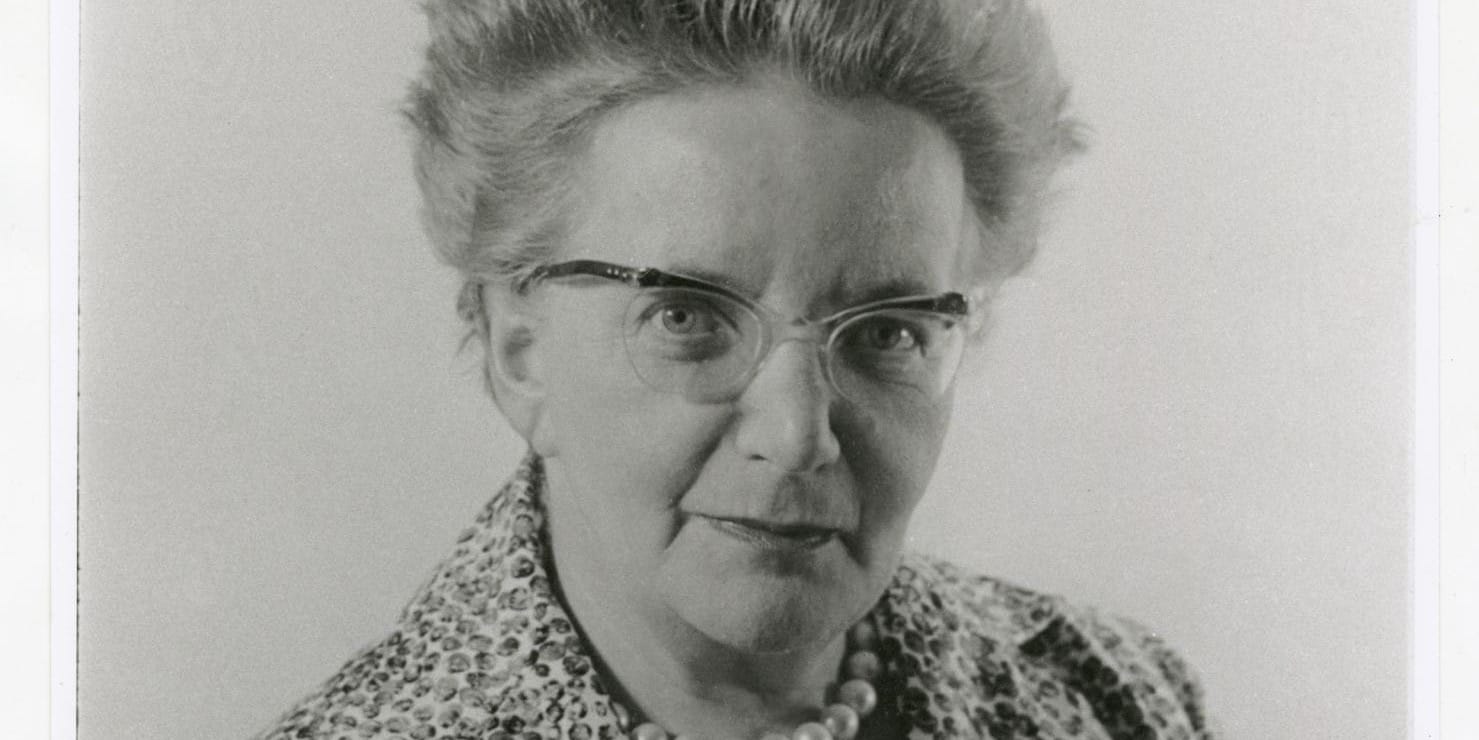
The life and work of a pioneering German-Jewish photographer who rebuilt her career in Birmingham after fleeing Nazi persecution is being explored in a major new exhibition that also brings long-overlooked details of her relationship with her female partner into public view.
Discovering Lisel Haas, at the Library of Birmingham until 12 December 2026, traces the life of photographer Lisel Haas from her successful career in Germany to the decades she spent living and working in Birmingham with her partner, Grete Bermbach.
The exhibition brings together portraits, theatre photography and personal material from Haas's archive, alongside family memories that provide a rare insight into the couple's life together.
Haas (1898-1989) established her own photographic studio in Mönchengladbach, Germany, where she built a reputation in portraiture, theatre photography and photojournalism before being forced to leave the country in 1938 because of Nazi persecution.
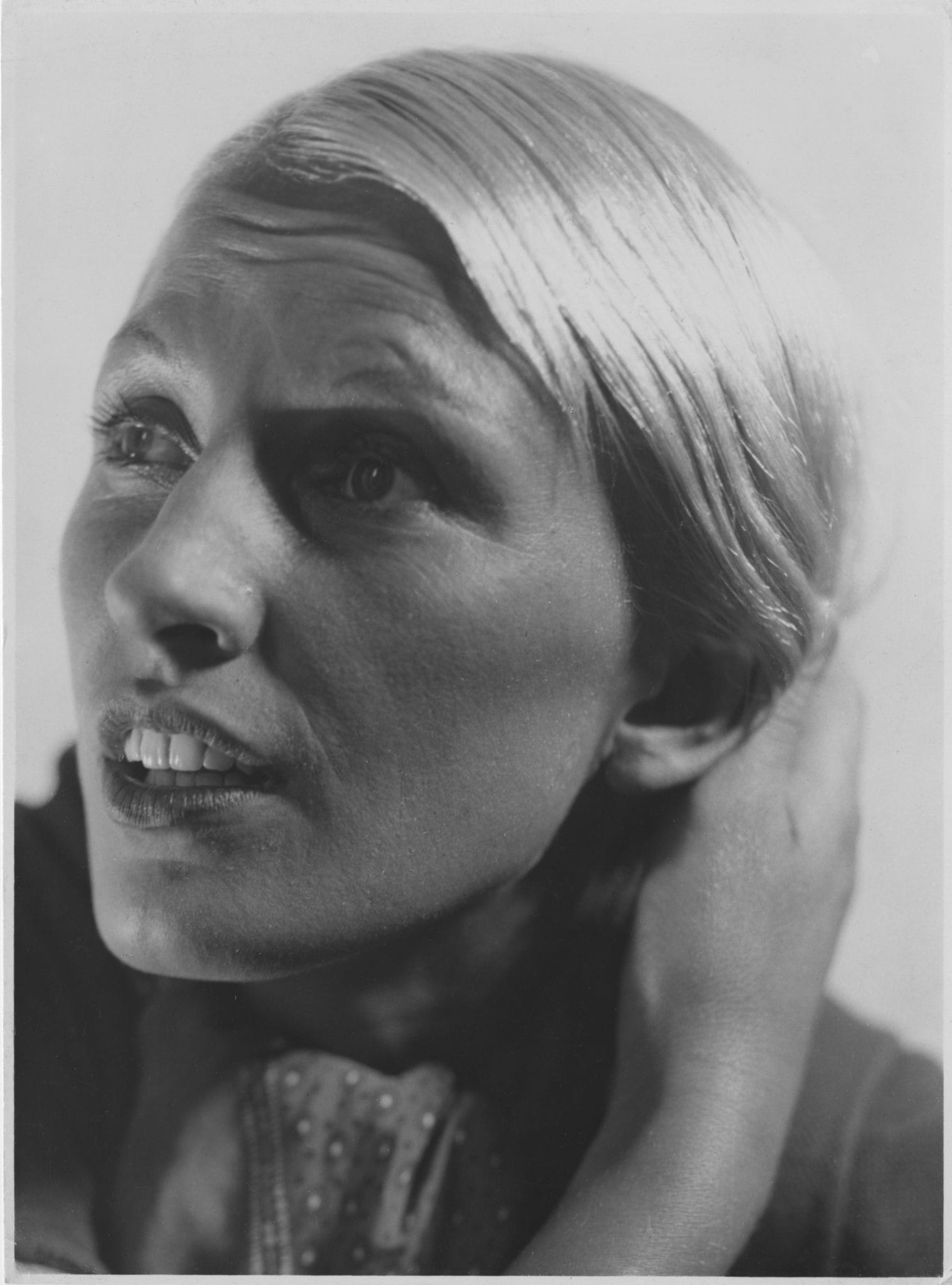
Among the works on display is a portrait of singer and actress Lale Andersen, who later achieved international fame with the song Lili Marleen, illustrating the level at which Haas was working before her career in Germany was abruptly cut short.
After arriving in Birmingham, Haas started again from scratch. Bermbach joined her in Britain in 1939 and the pair went on to live and work together for decades in Moseley, running the Lisel Haas photographic studio from their home.
Evidence of their relationship features prominently in the exhibition through a family memoir written by Francesca Skelton, Bermbach's great-niece and Haas's goddaughter.
In the memoir, Skelton writes that Bermbach left Germany "to join her partner Lisel" and describes the two women as central figures in family life.
"Lisel and Grete were central to our lives," she wrote.
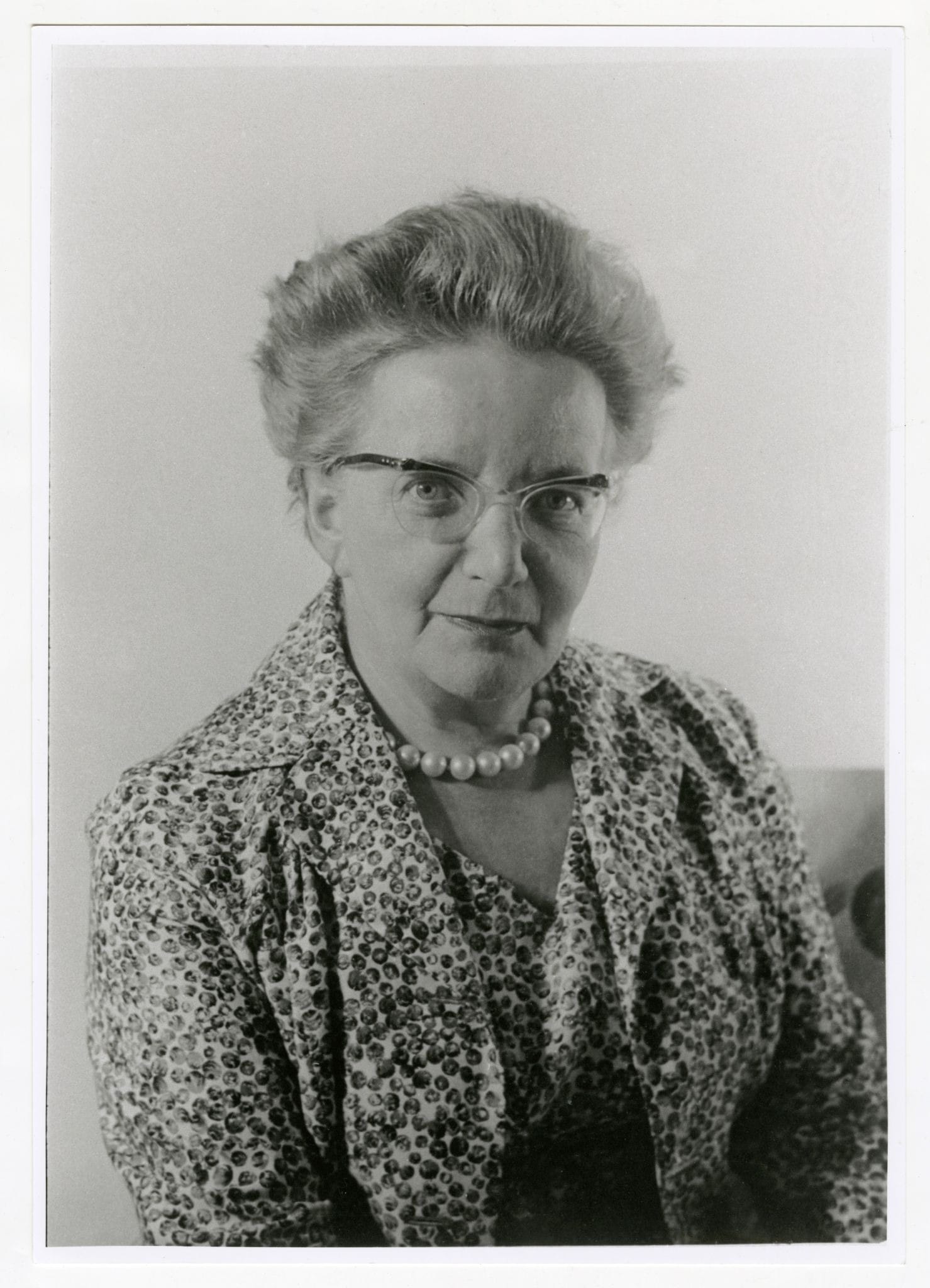
The couple's home in Moseley combined a working photographic studio with a bustling family environment. Skelton and her brother Nicholas were frequent visitors, occasionally serving as photographic models and developing a close bond with both women.
"I loved Grete and Lisel, their house and garden and their beautiful cat, Meiken," she recalled. "It felt safe and welcoming."
Iris Bertz, of Bertz Associates, which is leading the project in partnership with the Library of Birmingham, said the exhibition aimed to present a fuller picture of Haas's life and achievements. "Lisel's story deserves to be seen in full," she said. "She was an established photographer in Germany, a refugee forced to begin again and an important figure in Birmingham's photographic and cultural life.
"She also shared her home, work and family life with Grete for decades. That relationship was understood by the people closest to them and is an important part of who Lisel was.
"The exhibition allows us to bring those parts of her life together and present a much fuller account of both the photographer and the woman."
Following her arrival in Birmingham, Haas developed a long-standing association with Birmingham Repertory Theatre, photographing productions and performers for more than 20 years.
Her subjects included actors Paul Scofield, Albert Finney, Ian Richardson and Derek Jacobi. Many of her photographs remain on display at the theatre, although Haas herself has often received less recognition than her work.
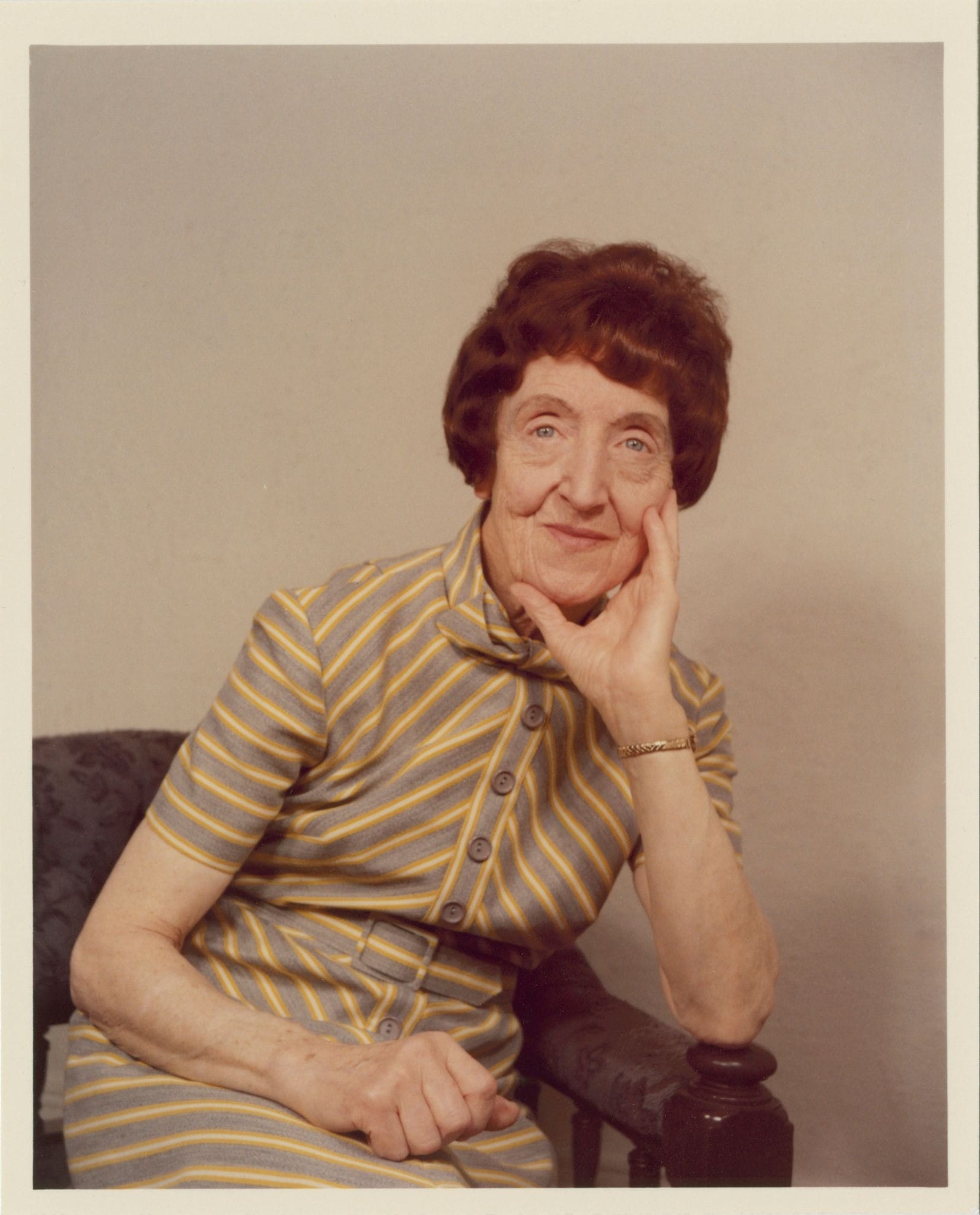
Alongside their theatre commissions, Haas and Bermbach photographed generations of Birmingham families from their studio in Grove Avenue, Moseley.
The exhibition draws on Haas's extensive archive, held by the Library of Birmingham, which contains 258 boxes of photographs, negatives, letters, documents and personal papers.
The collection is currently being formally catalogued, with local organisations including LGBTQ+ social group Pink Sou'westers, women's and non-binary photography network Luna, and Dolphin Women's Centre helping to interpret the material.
The exhibition also features new work inspired by the archive from artists Anu Gamanagari, Gibson Kochanek Studio, George Eksts, Laura Chen and Rebecca Orleans.
Plans are also under way to install a blue plaque at the former Moseley home and studio shared by Haas and Bermbach.
Scene was founded in Brighton in 1993, at a time when news stories about Pride protests were considered radical.
Since then, Scene has remained proudly independent, building a platform for queer voices. Every subscription helps us to report on the stories that matter to LGBTQ+ people across the UK and beyond.
Your support funds our journalists and contributes to Pride Community Foundation’s grant-making and policy work.

Member discussion