

Japan moves towards nationwide LGBTQ+ education programme despite political tensions
Japan is preparing to introduce a nationwide education programme on sexual orientation and gender identity, aimed at addressing widespread gaps in public understanding of LGBTQ+ issues.


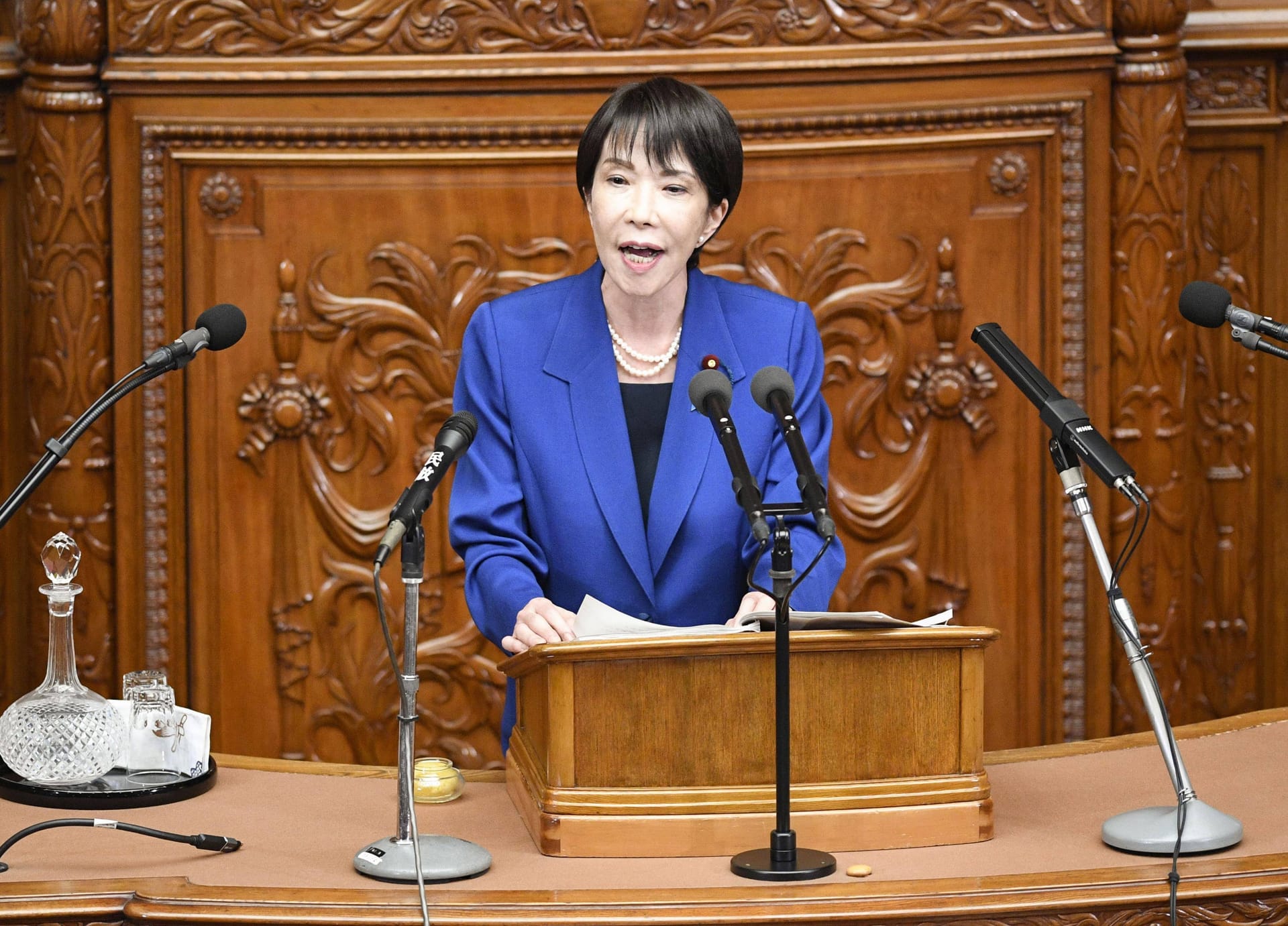
Japan is preparing to introduce a nationwide education programme on sexual orientation and gender identity, aimed at addressing widespread gaps in public understanding of LGBTQ+ issues.
The initiative has been approved by the ruling Liberal Democratic Party and is expected to receive final approval from the cabinet. It stems from a 2023 law designed to promote public awareness of diversity in sexual orientation and gender identity.
While full details have not yet been released, the programme is expected to require schools to provide information about LGBTQ+ people, alongside offering access to trained counsellors and social workers. Universities are also set to include education on gender and sexual diversity within training for future professionals, including those in healthcare and academia.
The development comes amid a complex political backdrop. Prime Minister Sanae Takaichi has previously voiced opposition to same-sex marriage, reflecting broader conservative views within the governing party. Japan currently has no nationwide anti-discrimination protections for LGBTQ+ people and remains the only G7 country without marriage equality.
Supporters argue that improving education could help shift public attitudes over time, although some LGBTQ+ voices have warned it may only represent an initial step. Young people in Japan are generally seen as more supportive of LGBTQ+ rights than older generations, which observers say may be influencing the government’s approach.
Experts suggest that increasing awareness and understanding could help reduce stigma, even as wider legal reforms remain uncertain.
Expanding LGBTQ+ education has the potential to challenge stigma and build long-term cultural change, especially in countries where legal protections and recognition remain limited.
Scene was founded in Brighton in 1993, at a time when news stories about Pride protests were considered radical.
Since then, Scene has remained proudly independent, building a platform for queer voices. Every subscription helps us to report on the stories that matter to LGBTQ+ people across the UK and beyond.
Your support funds our journalists and contributes to Pride Community Foundation’s grant-making and policy work.






Member discussion