

Growth of the 'gender critical' movement has been supported by the UK media, Amnesty report concludes

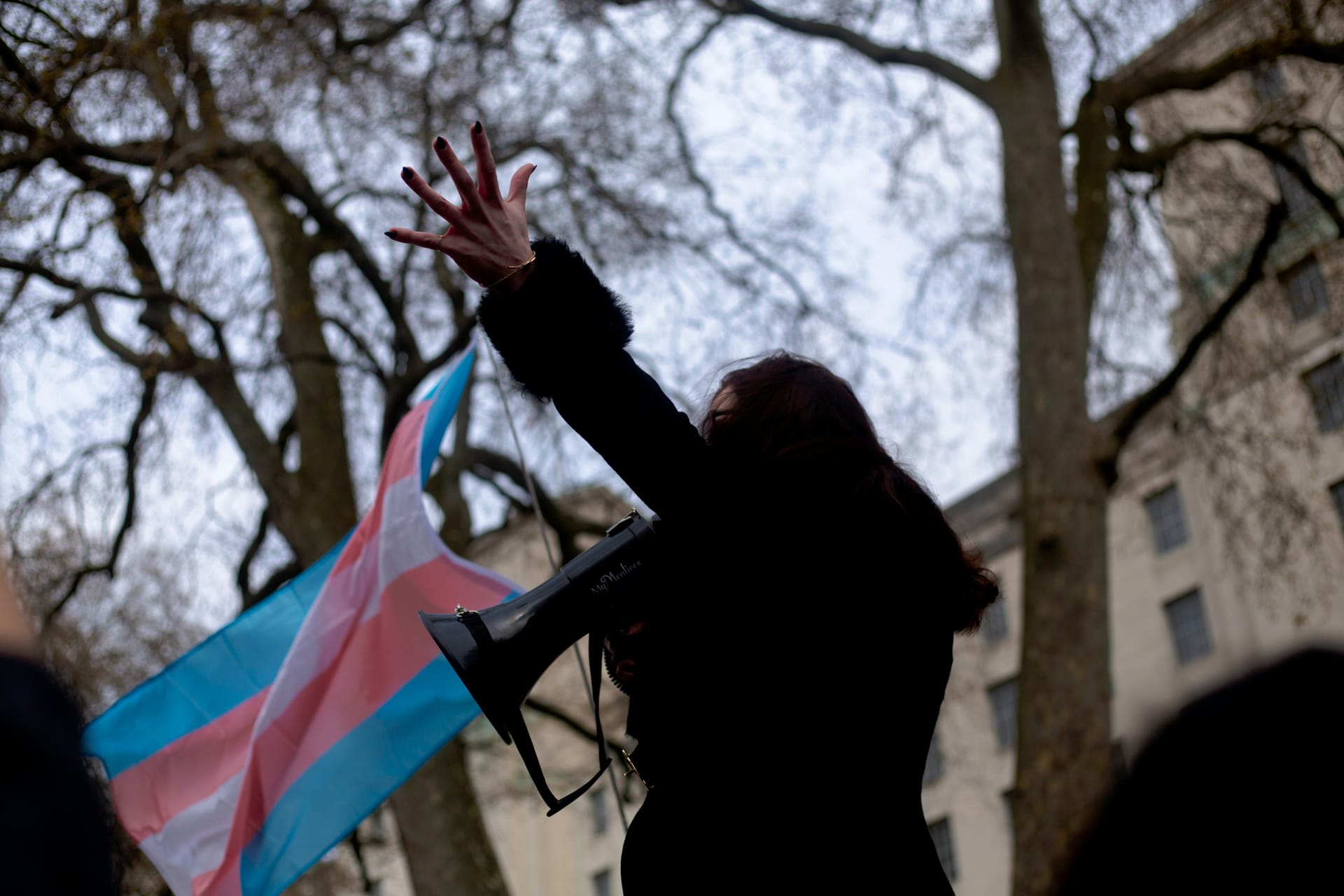
Amnesty International has published a report analysing the coordinated 'gender critical' movement that has gained prominence and influence in the UK since 2017.
The report argues that "media coverage of issues about trans people has been excessively high compared to the size of the trans population, their role in society, and public interest in these topics".
The report analyses the output of four media outlets (the Guardian, the Sun, the Telegraph and the Times & Sunday Times) and finds that a total of 17,000 articles covering trans issues were published between January 2020 and April 2025, which is nine per day.
The report finds that most media reports about trans people have a negative sentiment, and that the perspectives and voices of trans individuals are hardly ever included in the stories. When trans people do appear in stories it is as criminals or murder victims.
While the voices of trans people are absent, the report finds that the UK Prime Minister, the leader of the opposition, and the Scottish First Minister appear consistently in media reports, "suggesting that issues of 'sex' and 'gender' have been elevated to top political priorities".
This contrasts the fact that ahead of the 2024 General Election, issues related to trans rights or ‘sex’ and ‘gender’ did not figure in the top 16 concerns of voters. Despite this, issues of sex, gender and sexuality were by far the most reported amongst ‘culture war’ issues in the four weeks ahead of the 2024 election, according to research conducted by Loughborough University.
'Gender critical' framing has become common in the UK media in this time period, in step with a snowballing growth in the influence of the 'gender critical' movement.
Since 2017, the 'gender critical' movement has developed as a diverse and coordinated force: of the 51 formal and informal organisations that the report maps, only three were established before 2017.
The report identifies three groups that are registered charities: FiLiA, Sex Matters and LGB Alliance. Analysis of their available accounts from 2019 to 2024 shows a combined expenditure of £3.6million.
The 'gender critical' movement gained prominence following an effort in 2017 to push back against proposals to reform the Gender Recognition Act, which would have enabled a trans person to be able to legally change their gender through a statutory declaration. This effort ultimately resulted in the reforms being shelved.
Following this, the movement shifted focus to the use of the terms 'gender' and 'sex' in policy and lawmaking. This eventually led to the Supreme Court judgment in April last year, which ruled that a trans person with a Gender Recognition Certificate is not to be considered as their correct gender in the eyes of the law when considering cases under the Equality Act (2010). This has led to a rollback in rights for trans people in the UK.
Read the full report here.
Scene was founded in Brighton in 1993, at a time when news stories about Pride protests were considered radical.
Since then, Scene has remained proudly independent, building a platform for queer voices. Every subscription helps us to report on the stories that matter to LGBTQ+ people across the UK and beyond.
Your support funds our journalists and contributes to Pride Community Foundation’s grant-making and policy work.


Member discussion