



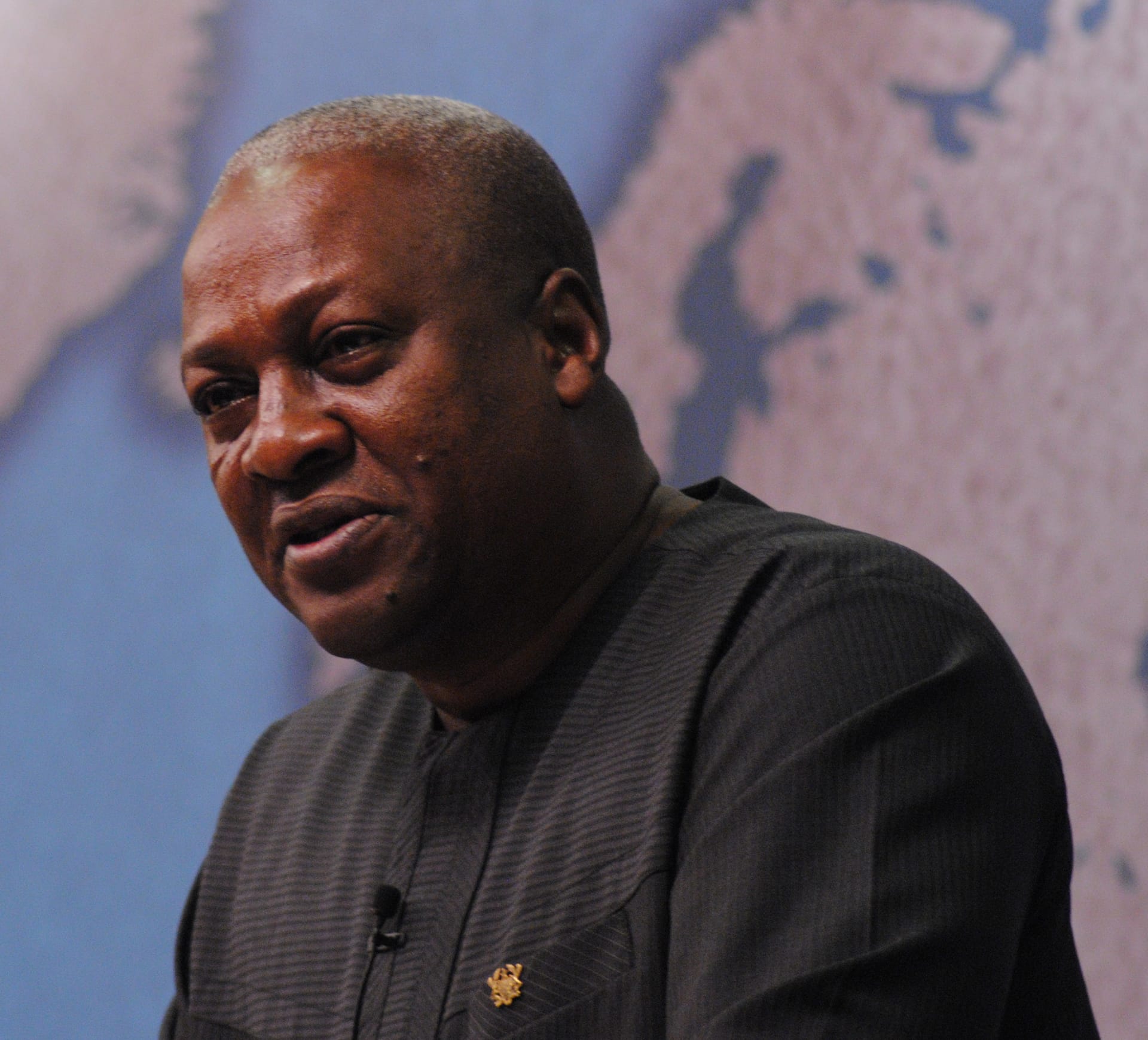
Ghana’s parliament has approved a controversial new bill that would significantly expand the criminalisation of LGBTQ+ people and their supporters, drawing sharp condemnation from human rights organisations and international observers.
The Human Sexual Rights and Family Values Bill, passed on 29 May, proposes prison sentences of up to three years for people who identify as LGBTQ+, as well as for those who engage in same-sex relationships.
The legislation also targets advocacy and support networks, introducing penalties for the “promotion, sponsorship or support” of LGBTQ+ activities and establishing a legal requirement for citizens to report suspected offences to the authorities.
The bill must now be ratified by President John Dramani Mahama before it can become law. Religious and conservative groups have pushed for tougher anti-LGBTQ measures since his return to power, and he has previously indicated support for legislation reflecting what he describes as traditional values.
Supporters say the new law is needed to protect Ghanaian culture. Reverend John Ntim Fordjour, the bill’s sponsor, told parliament the measures would make existing legislation “more robust, more encompassing and more stringent” in addressing LGBTQ+ practices.
However, the proposals have been met with strong international criticism. Human Rights Watch has warned the bill could endanger lives and undermine fundamental freedoms, while critics say the reporting requirement risks encouraging surveillance and denunciation among citizens.
The legislation includes exemptions for certain professionals. Journalists, lawyers and healthcare workers would not face prosecution for reporting on LGBTQ+ issues, providing legal representation or delivering medical care.
Ghana already bans same-sex relationships under a law dating from the British colonial era, although prosecutions have been rare. Campaigners say the new bill dramatically broadens existing restrictions by criminalising identity itself and extending penalties to allies and supporters.
The measure revives a previous version of the bill passed in 2024, which never became law after former president Nana Akufo-Addo declined to sign it amid legal challenges.
Ghana’s move comes amid a wider trend across parts of Africa, where several countries have tightened laws affecting LGBTQ+ people in recent years. Senegal approved legislation in March increasing prison terms for same-sex acts to up to 10 years, while Uganda introduced some of the world’s harshest measures in 2023, including the death penalty for certain offences.
Scene was founded in Brighton in 1993, at a time when news stories about Pride protests were considered radical.
Since then, Scene has remained proudly independent, building a platform for queer voices. Every subscription helps us to report on the stories that matter to LGBTQ+ people across the UK and beyond.
Your support funds our journalists and contributes to Pride Community Foundation’s grant-making and policy work.





Member discussion