



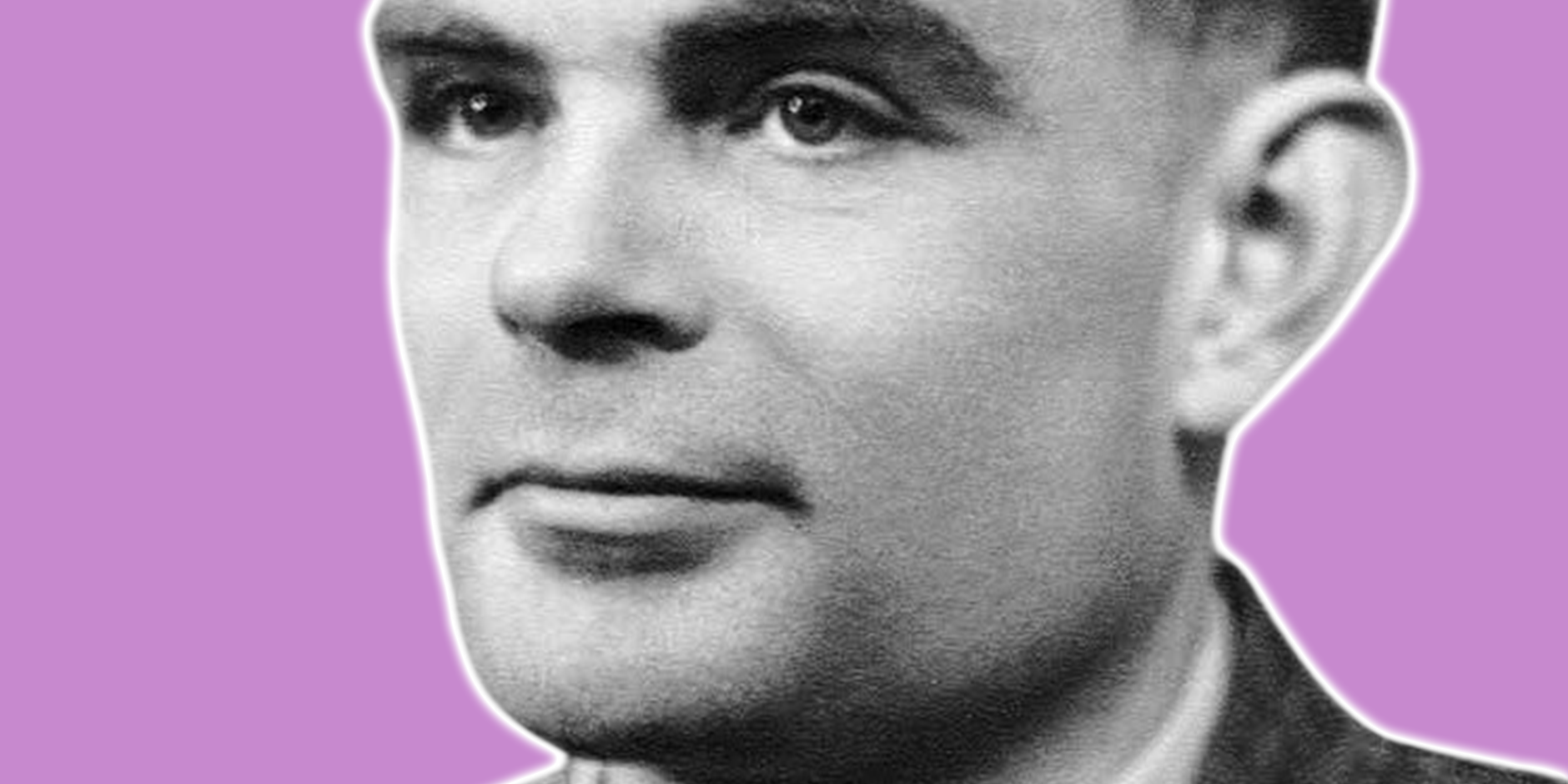
Alan Turing is remembered as the brilliant mathematician who helped crack the Enigma code during the Second World War and laid the foundations for modern computing. But experts say a newly highlighted gay short story is helping to reveal a very different side of the pioneering scientist: a witty, playful man who enjoyed sex, friendship and mischief.
The story, which has attracted renewed attention from historians and LGBTQ+ researchers, challenges the popular image of Turing as a socially awkward genius isolated from the world around him.
Instead, scholars argue, it offers a glimpse of a man who was far more complex than the stereotype that has dominated portrayals of his life for decades.
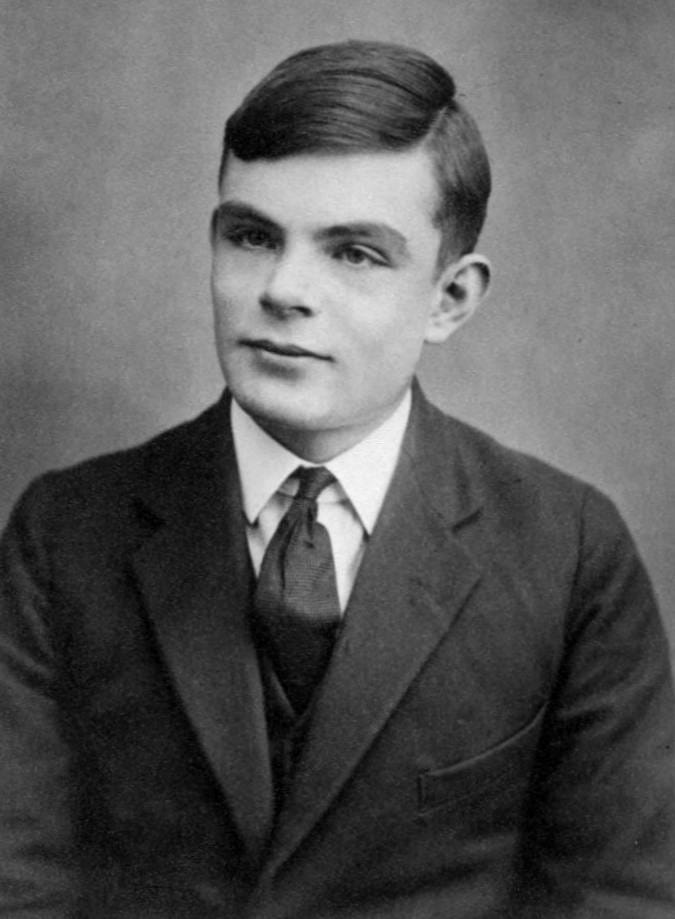
"People tend to remember Turing as a lonely mathematical prodigy," said one researcher. "What emerges from personal writings and contemporary accounts is somebody with a sharp sense of humour, a mischievous streak and an active interest in relationships and sex."
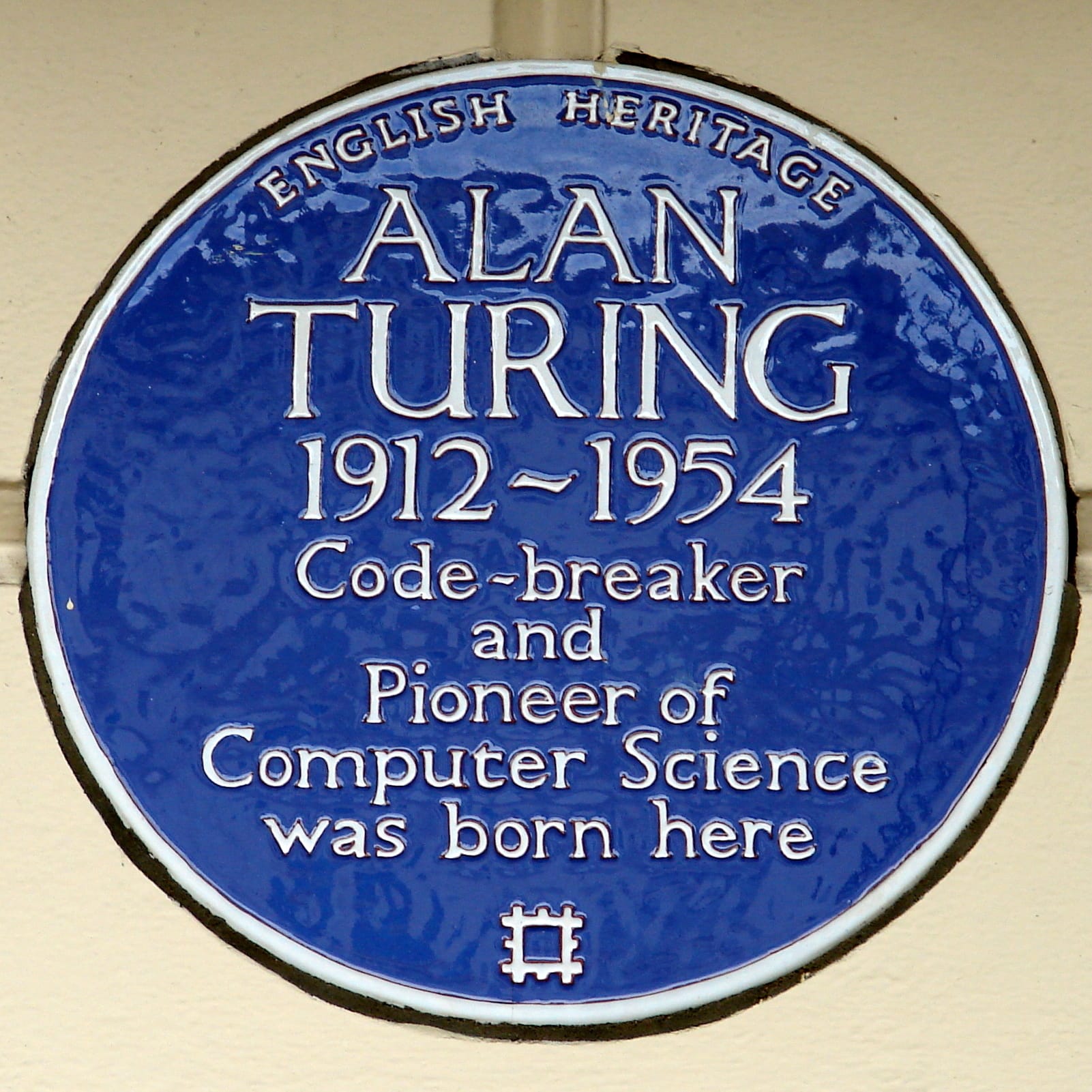
Turing, who was born in London in 1912, became one of the most important scientific figures of the 20th century through his work at Bletchley Park and his groundbreaking theories on computation and artificial intelligence.
Yet much of the public narrative surrounding him has focused on his tragic persecution for being gay. In 1952, he was convicted of gross indecency after admitting a relationship with another man. He was subjected to hormonal treatment, often described as chemical castration, and died two years later aged 41.
Historians say that while this injustice remains a crucial part of his story, it should not eclipse the fuller picture of his life.
The short story, they argue, portrays Turing as someone who embraced pleasure and intimacy at a time when homosexuality was criminalised in Britain. Rather than depicting a withdrawn academic, it presents a man capable of humour, flirtation and self-expression.
Researchers believe such material is important because it restores a sense of agency to historical LGBTQ+ figures who are often remembered only through the lens of discrimination.
"Turing was not simply a victim," said one expert. "He was a human being with desires, relationships, friendships and a sense of fun. Recognising that does not diminish what happened to him. It makes him more real."
The renewed interest comes amid wider efforts to reassess the lives of LGBTQ+ people who have traditionally been excluded from mainstream historical narratives.
For many campaigners and historians, understanding Turing's personal life is just as important as celebrating his scientific achievements.
His legacy has undergone a remarkable transformation in recent decades. Once prosecuted by the state, Turing is now commemorated through statues, museums, university buildings and even the £50 note. In 2013 he received a posthumous royal pardon, while subsequent legislation known informally as the "Alan Turing law" extended pardons to thousands of men convicted under historical anti-gay laws.
Experts say the emerging picture is of a man who was not only one of Britain's greatest scientific minds, but also someone who lived, loved and laughed despite the restrictions of his era.
"The public knows Alan Turing the genius," said one historian. "What these personal accounts reveal is Alan Turing the man: intelligent, funny, cheeky and unapologetically human."
Scene was founded in Brighton in 1993, at a time when news stories about Pride protests were considered radical.
Since then, Scene has remained proudly independent, building a platform for queer voices. Every subscription helps us to report on the stories that matter to LGBTQ+ people across the UK and beyond.
Your support funds our journalists and contributes to Pride Community Foundation’s grant-making and policy work.





Member discussion