



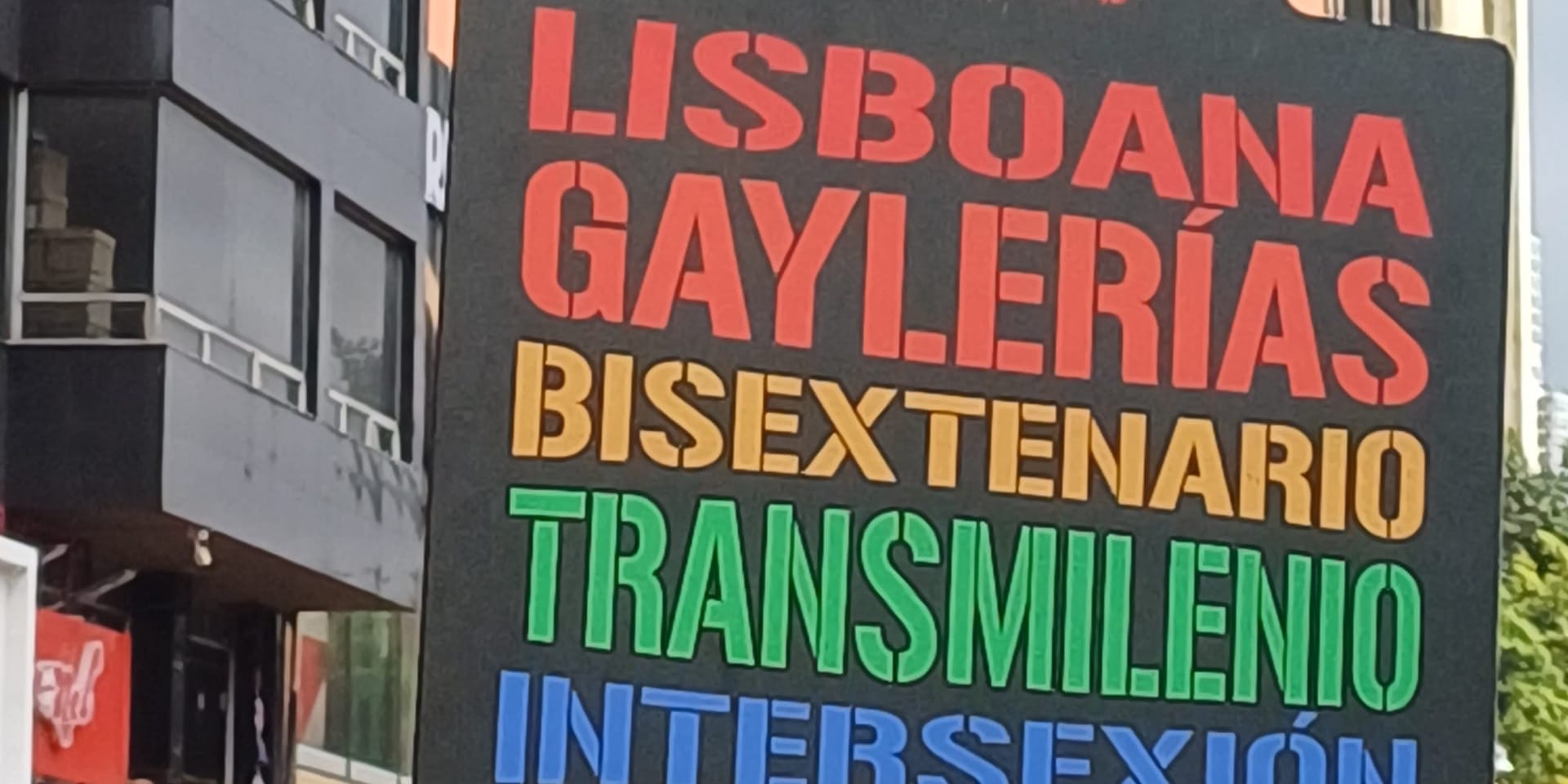
Concerns have been raised about the future of LGBTQ+ rights in Colombia after the government of President Abelardo de la Espriella withdrew the country from the Equal Rights Coalition (ERC), one of the world's largest international alliances promoting LGBTQ+ equality.
Founded in 2016, the ERC brings together more than 40 governments and civil society organisations to develop strategies aimed at strengthening LGBTQ+ rights around the world. Britain and Ireland are among its members. The coalition's priorities include tackling violence against LGBTQ+ people, ending discrimination and promoting social inclusion.
On 17 September, Colombia's foreign ministry announced the country's immediate withdrawal from the coalition, despite Colombia having been selected to serve as the ERC's co-chair alongside Spain for the 2025-27 period.
No official explanation was given for the decision. However, observers have suggested the move may reflect the new government's desire to distance itself from policies associated with the previous administration of Gustavo Petro. Given the conservative and far-right character of De la Espriella's government, campaigners have also questioned whether ideological opposition to LGBTQ+ rights played a role.
Among those criticising the decision was Caribe Afirmativo, a leading Colombian LGBTQ+ rights organisation that currently serves as one of the ERC's civil society co-chairs. The group called on the government to explain its withdrawal and set out how it intends to protect equality and human rights for LGBTQ+ people going forward.
The announcement has heightened concerns at a time when activists warn that anti-LGBTQ+ violence remains a serious issue in Colombia.
On the same day the withdrawal was confirmed, human rights defender Roxxy Vanessa Astaiza was murdered in the city of Popayán. Astaiza, a trans woman and prominent activist, was a member of the Mariposas Negras (Black Butterflies) collective, which campaigns for LGBTQ+ rights. She was also standing in elections for the Cauca Departmental Advisory Council for Women.
Her killing prompted renewed calls for stronger action to tackle violence against LGBTQ+ people, particularly transgender people, amid reports of rising levels of homophobic and transphobic attacks in recent years.
For campaigners, Colombia's decision to abandon a key international forum dedicated to advancing LGBTQ+ equality raises fresh questions about whether the government is committed to confronting discrimination and violence during the next four years.
Scene was founded in Brighton in 1993, at a time when news stories about Pride protests were considered radical.
Since then, Scene has remained proudly independent, building a platform for queer voices. Every subscription helps us to report on the stories that matter to LGBTQ+ people across the UK and beyond.
Your support funds our journalists and contributes to Pride Community Foundation’s grant-making and policy work.




Member discussion