



European Union leaders have stepped up public support for LGBTQ+ people with coordinated burst of Pride‑themed messaging across official social media channels, weeks ahead of Pride Month.
In the days leading up to International Day Against Homophobia, Biphobia and Transphobia (IDAHOT) on 17 May, EU institutions including the European Commission and the European Parliament posted similar statements about visibility, safety and belonging.
One Commission post read: “To be seen. To be safe. To be themselves,” adding that equality cannot exist “on paper alone” while prejudice persists in everyday life.
Today on #IDAHOT, I want to send a strong message of support to the LGBTIQ+ community.
— Ursula von der Leyen (@vonderleyen) May 17, 2026
The EU stands with you.
For every person’s right to live and love openly.
And to be true to its authentic self.
Your journey and safety matter.
I will always be your ally. https://t.co/hNABypJDhP
That language was mirrored by the Commission’s main account, which said everyone deserves safety and visibility, while the European Parliament emphasised acceptance and repeated calls to ban so‑called conversion practices across the EU.
European Commission president Ursula von der Leyen added a personal note, openly declaring the institution “PROUD” and framing Pride as an act of courage as much as celebration. Marking IDAHOT, Ursula von der Leyen told LGBTQ people directly: “I will always be your ally”.
The show of unity comes at a moment when LGBTQ+ rights are increasingly contested across Europe.
Earlier this month, Poland recorded its first legally recognised same‑sex marriage following a court ruling, a milestone hailed by activists after years of legal stalemate. The decision also reignited backlash from conservative figures, underlining the deep cultural divide that still exists.
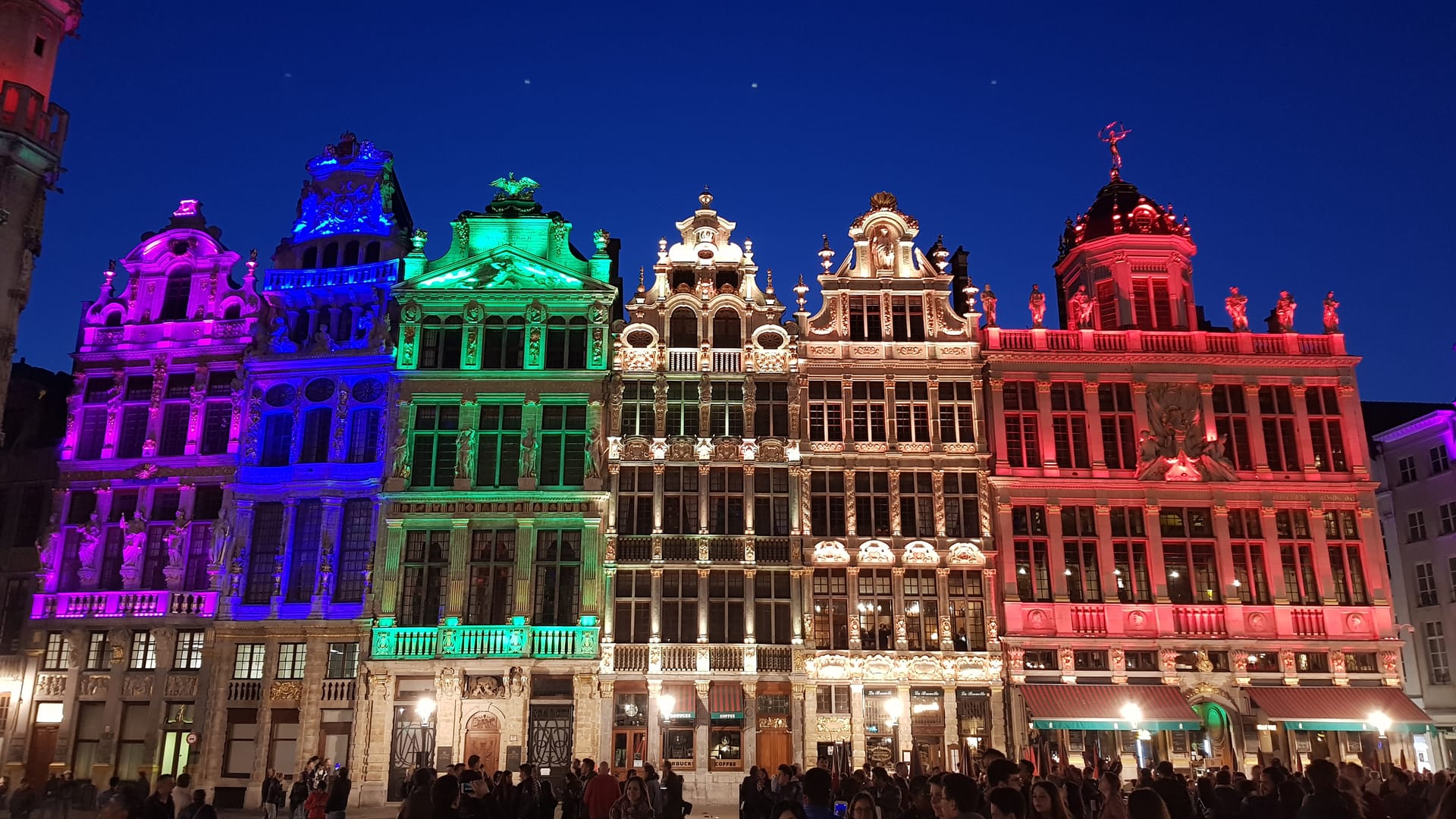
At the same time, Brussels Pride returned for its 30th anniversary, filling the city with tens of thousands of marchers. This year’s slogan - “When Times Get Darker, We Shine Brighter” - reflected growing anxiety about rising hostility towards LGBTQ+ communities in parts of the continent.
Everyone deserves to be seen. Everyone deserves to be safe. 🌈
— European Commission (@EU_Commission) May 17, 2026
On IDAHOT, we stand with LGBTIQ+ people across Europe, and against hate, discrimination and violence.
We protect what matters – freedoms and rights. pic.twitter.com/eVz1itxYkx
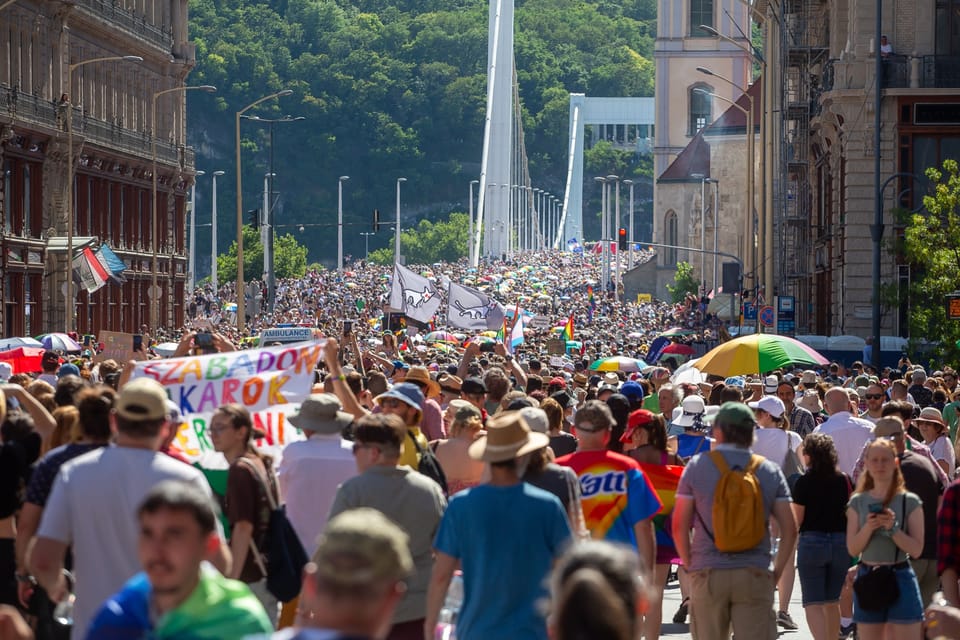
Legal pressure has also intensified. In April, the EU’s top court struck down Hungary’s 2021 “child protection” law, which restricted LGBTQ‑related content in media accessible to young people. The judges ruled that the legislation breached the EU’s core values - a landmark decision because it treated discrimination itself as a direct violation of EU law.
The law was introduced under Viktor Orbán, whose party lost power in April after 16 years. Hungary’s new government has since indicated it will engage with the ruling, raising hopes of a rollback of some restrictions.
Behind the current messaging push sits the European Commission’s new LGBTIQ+ Equality Strategy for 2026–2030. The plan aims to hard‑wire LGBTQ+ equality into EU policy, strengthen action against hate crime and discrimination, improve legal recognition for trans and non‑binary people, and push for a Europe‑wide ban on conversion therapy.
Scene was founded in Brighton in 1993, at a time when news stories about Pride protests were considered radical.
Since then, Scene has remained proudly independent, building a platform for queer voices. Every subscription helps us to report on the stories that matter to LGBTQ+ people across the UK and beyond.
Your support funds our journalists and contributes to Pride Community Foundation’s grant-making and policy work.



Member discussion