



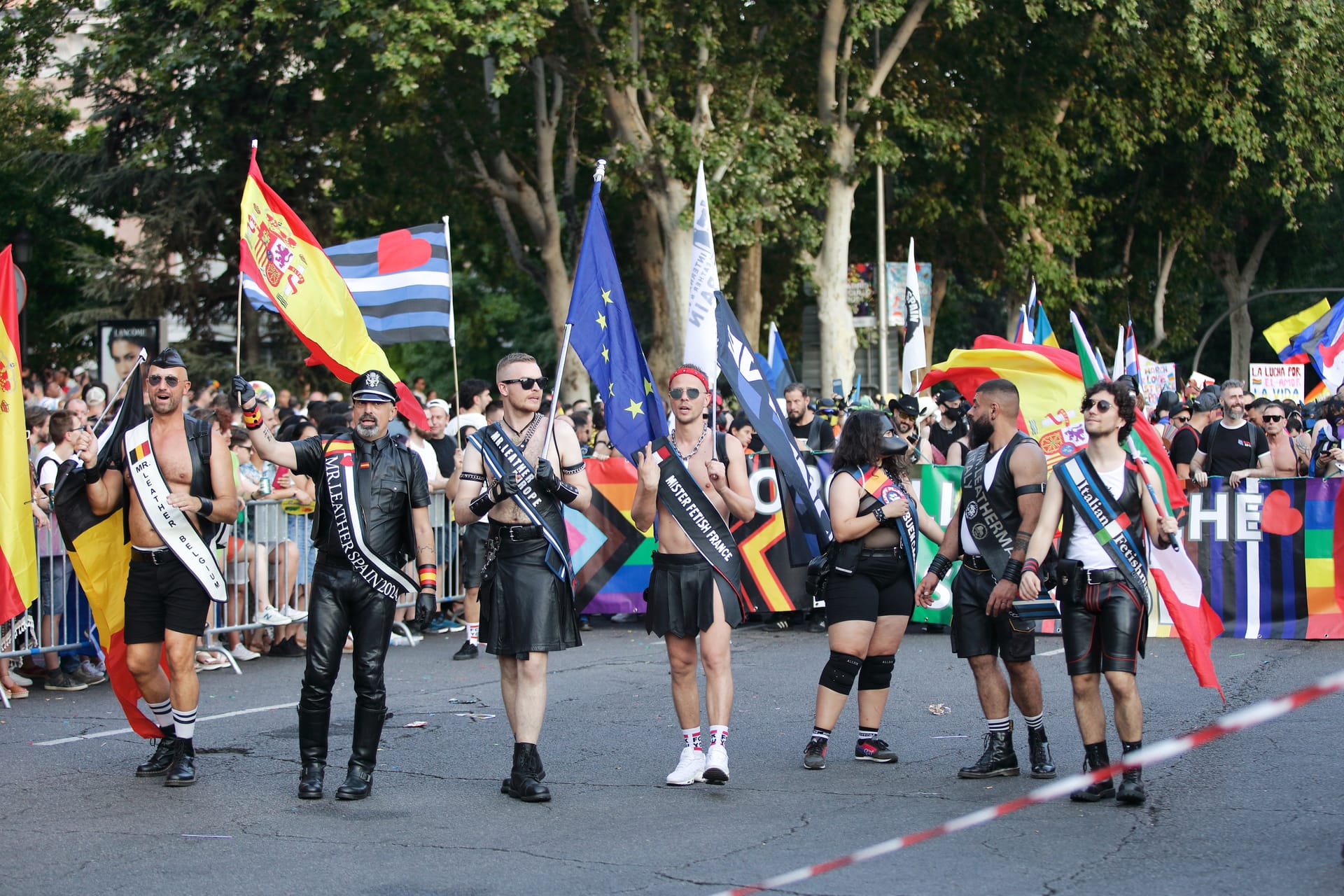
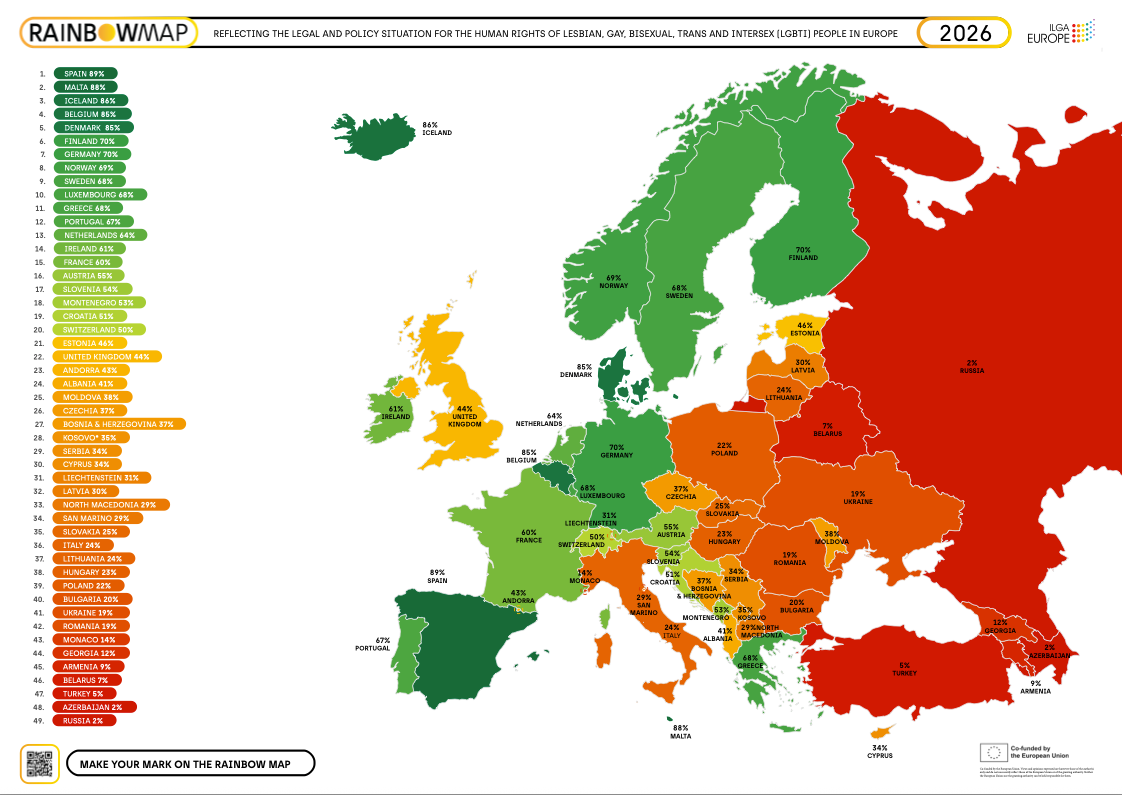
Spain has been ranked the best country in Europe for LGBTQ+ rights, ending Malta’s 10-year run at the top of ILGA-Europe’s annual Rainbow Map - with the UK placed 22nd in the latest league table.
The 2026 ranking, published on Tuesday, 12 May, assesses 49 European countries on their laws and policies affecting lesbian, gay, bisexual, trans and intersex people. Spain’s rise to number one reflects a series of legislative advances and political decisions, including stronger legal protections, national equality strategies and reforms to healthcare for trans people.
ILGA-Europe said Spain’s position demonstrated that “political courage remains the most powerful answer” at a time when democratic institutions and minority rights are facing pressure across the continent.
The organisation’s deputy director, Katrin Hugendubel, said the country’s top ranking showed “what becomes possible when a government makes a deliberate choice to advance equality rather than retreat from it”.
Spain replaces Malta, which drops to second place after a decade at the summit. Iceland, Belgium and Denmark round out the top five, while Russia remains at the bottom of the table.
The Rainbow Map measures legal frameworks rather than lived experience - and ILGA-Europe cautioned that Spain, like many countries, still faces significant challenges.
A report this year by Spain’s LGTBI+ Federation found assaults against LGBTQ+ people have risen by 15% since 2024, highlighting what campaigners describe as a widening gap between legal progress and everyday reality.
Across Europe, the broader picture is mixed. While some countries have advanced protections, others are moving in the opposite direction, with LGBTQ+ issues increasingly used as a political battleground.
The UK’s placement at 22nd reflects what campaigners have previously described as stagnation in policy development compared with other European nations.
The report highlights both progress and setbacks in trans rights across the continent. Albania climbed to 24th after introducing legislation recognising discrimination based on gender identity and expression. Czechia and Latvia also made gains by allowing legal gender changes without sterilisation.
Elsewhere, Austria introduced alternative gender markers for non-binary people, while Croatia and Poland improved administrative procedures for gender recognition. Sweden introduced new legislation, although ILGA-Europe said it still falls short of a self-determination model.
However, the organisation warned that anti-trans rhetoric and policy rollbacks are increasing in several countries.
Beyond national legislation, European institutions have played a growing role in shaping protections. Over the past year, the Court of Justice of the European Union has issued key rulings on trans rights and the recognition of same-sex marriages across member states.
In April, the court also ruled that Hungary’s controversial 2021 “anti-LGBTI propaganda” law breaches EU fundamental values and rights protections.
Meanwhile, all 46 members of the Council of Europe adopted the first comprehensive international legal instrument focused specifically on the rights of intersex people in October 2025 - a move hailed as a significant step forward.
Despite these developments, ILGA-Europe warned of a “real and growing danger” in parts of Europe.
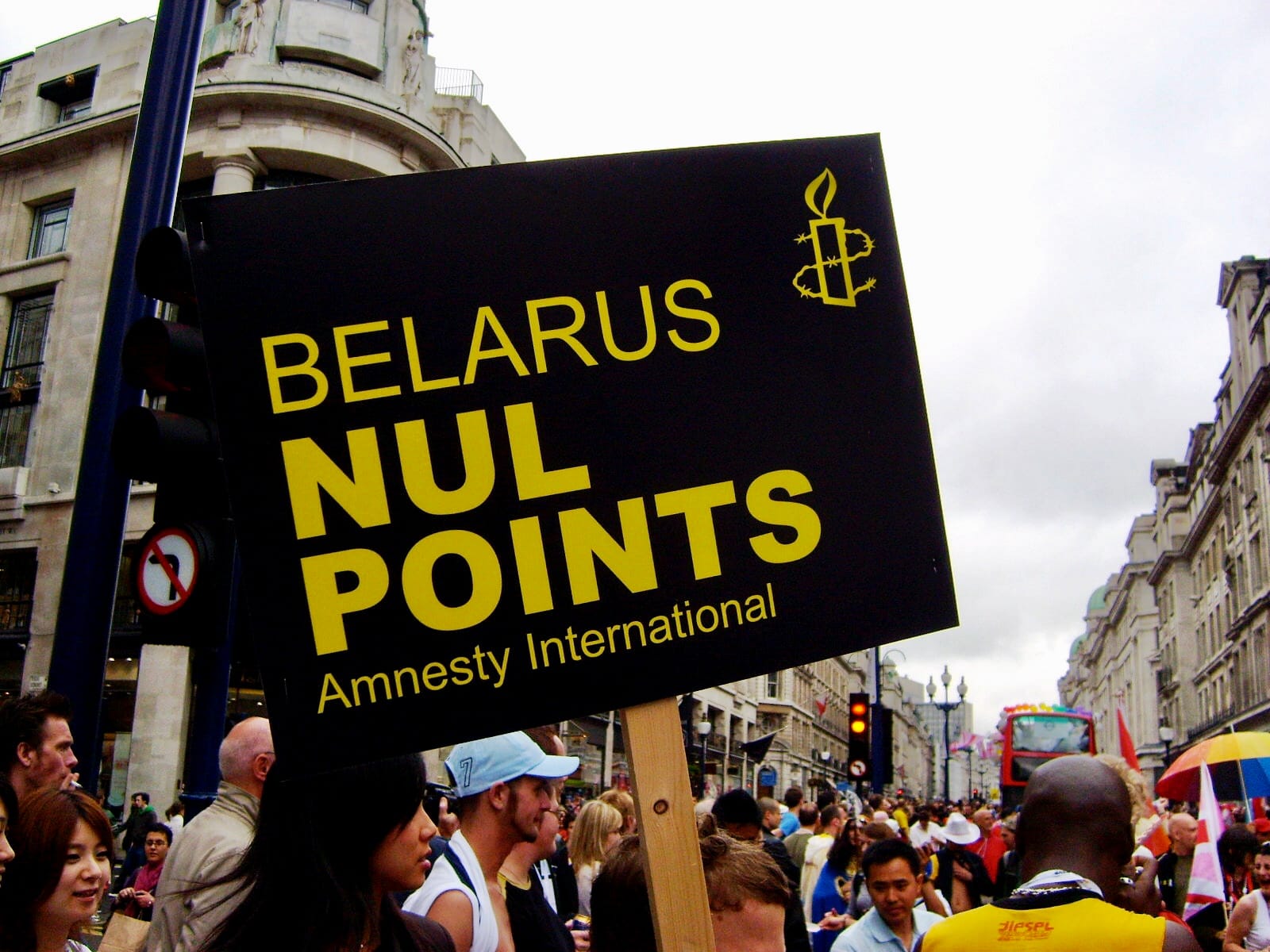
In Belarus, a new law modelled on Russia’s anti-LGBTQ+ legislation introduces criminal penalties. Slovakia has amended its constitution to define sex as fixed at birth, effectively blocking legal gender recognition. In Turkey, draft legislation and policy changes have reduced access to healthcare and increased pressure on activists.
Other concerns include proposed rollbacks in Portugal, restrictions affecting freedom of assembly in Italy, and a referendum in Albania that could overturn newly introduced equality laws.
Russia remains last in the ranking, with authorities continuing to intensify restrictions, including designating LGBTQ+ organisations as “extremist”, exposing individuals to criminal risk.
Hugendubel said this year’s findings tell “two stories at once” — one of progress and one of regression.
“Spain, courtrooms, and leaders choosing to stand with their communities show genuine courage,” she said. “But there is also a serious level of risk that cannot be underestimated.”
She added: “The question every government in Europe must now answer is which story they want to be part of.”
The Rainbow Map, first published in 2009, scores countries out of 100 based on 76 criteria spanning areas including equality laws, family rights, hate crime protections, gender recognition and asylum. The average score across Europe this year stands at 43%, rising to 52% within the EU.
Scene was founded in Brighton in 1993, at a time when news stories about Pride protests were considered radical.
Since then, Scene has remained proudly independent, building a platform for queer voices. Every subscription helps us to report on the stories that matter to LGBTQ+ people across the UK and beyond.
Your support funds our journalists and contributes to Pride Community Foundation’s grant-making and policy work.


Member discussion