



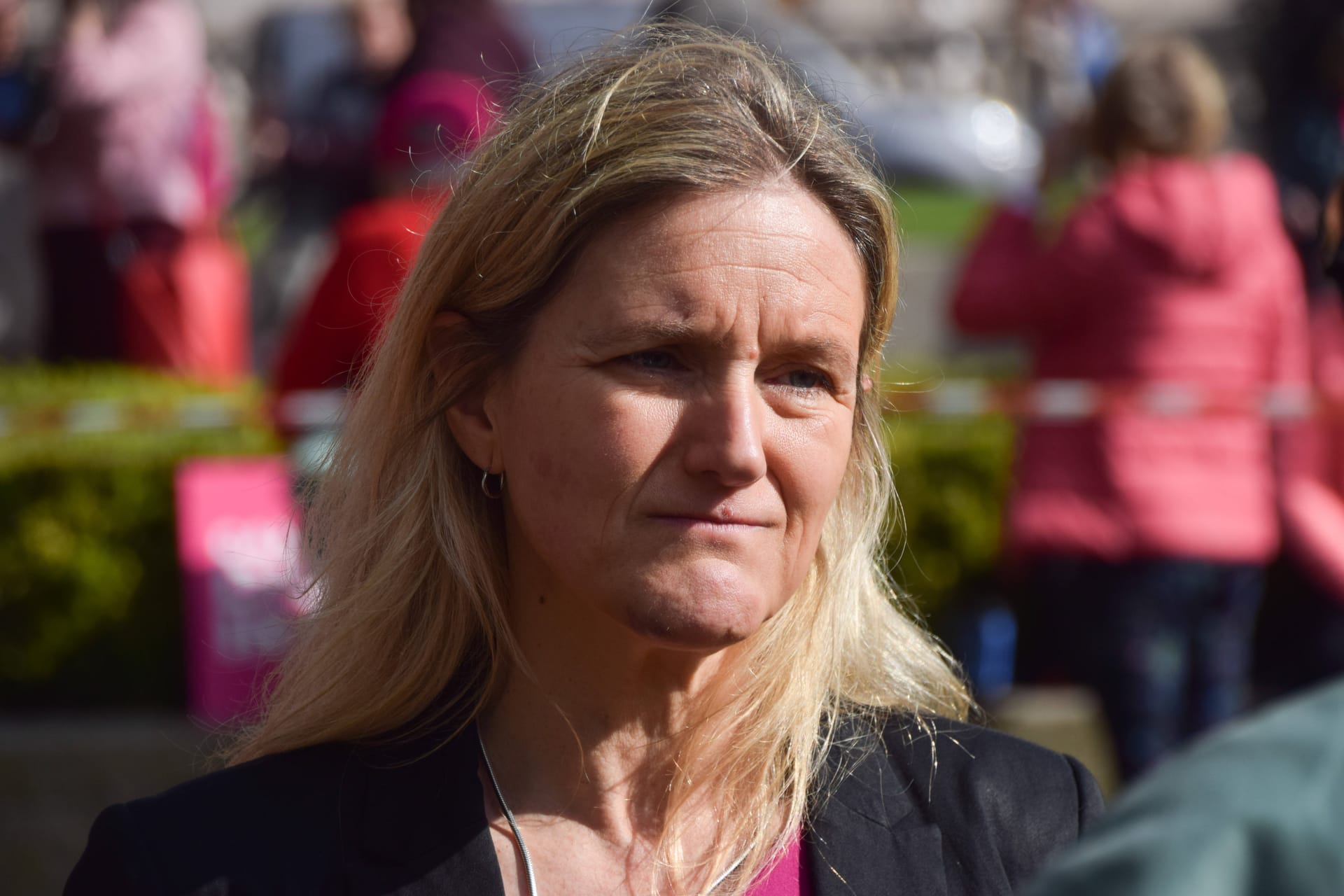
Labour MP Kim Leadbeater has said legalising assisted dying should be treated as a matter of personal choice, comparing it to Parliament’s decision to allow same‑sex marriage, as she renews her campaign to change the law in England and Wales.
Speaking amid efforts to revive her stalled Terminally Ill Adults (End of Life) Bill, Leadbeater argued that assisted dying is a social issue where the state should enable individual choice rather than impose a single moral view. Supporters of reform, she said, were seeking the same principle that underpinned the legalisation of gay marriage more than a decade ago.
Leadbeater, the MP for Spen Valley, has consistently framed assisted dying as a question of dignity and autonomy for terminally ill adults with less than six months to live. Her proposed legislation would allow eligible patients to request medical assistance to end their lives, subject to the approval of two doctors and an expert panel, with safeguards intended to protect vulnerable people.
The comparison with same‑sex marriage reflects Leadbeater’s broader argument that reform would not compel anyone to act against their conscience. As with gay marriage, religious bodies and individuals who oppose assisted dying would not be required to participate. Instead, the law would provide a legal option for those who wish to choose it.
Her comments come as the assisted dying bill is set to fall at the end of the current parliamentary session after becoming bogged down in the House of Lords, where opponents tabled more than 1,000 amendments. Leadbeater has accused peers of attempting to “talk out” the legislation despite it passing key votes in the House of Commons.
Despite the setback, Leadbeater has vowed to bring the bill back in the next parliamentary session, saying the issue “is not going away”. She told Politico that the legislation is about giving people “choice over their deaths”, and insisted that public support remains strong.
Assisted dying has long divided Parliament along ethical, religious and disability‑rights lines. Opponents argue that any change in the law risks coercion and could place pressure on elderly, disabled or seriously ill people. Some disability campaigners warn the bill could create a sense of obligation to choose death over care.
Leadbeater rejects those claims, pointing to international evidence from jurisdictions where assisted dying is legal. She has insisted that countries with tightly drawn criteria and strong safeguards have not seen a so‑called “slippery slope”. “This is about people who are terminally ill,” she previously told Sky News. “It’s not about people with mental illness or long‑term disability.”
Scene was founded in Brighton in 1993, at a time when news stories about Pride protests were considered radical.
Since then, Scene has remained proudly independent, building a platform for queer voices. Every subscription helps us to report on the stories that matter to LGBTQ+ people across the UK and beyond.
Your support funds our journalists and contributes to Pride Community Foundation’s grant-making and policy work.







Member discussion