

Man makes false statement to licensing committee in attempt to shut down Heaven, one of London's best‑known LGBTQ+ venues


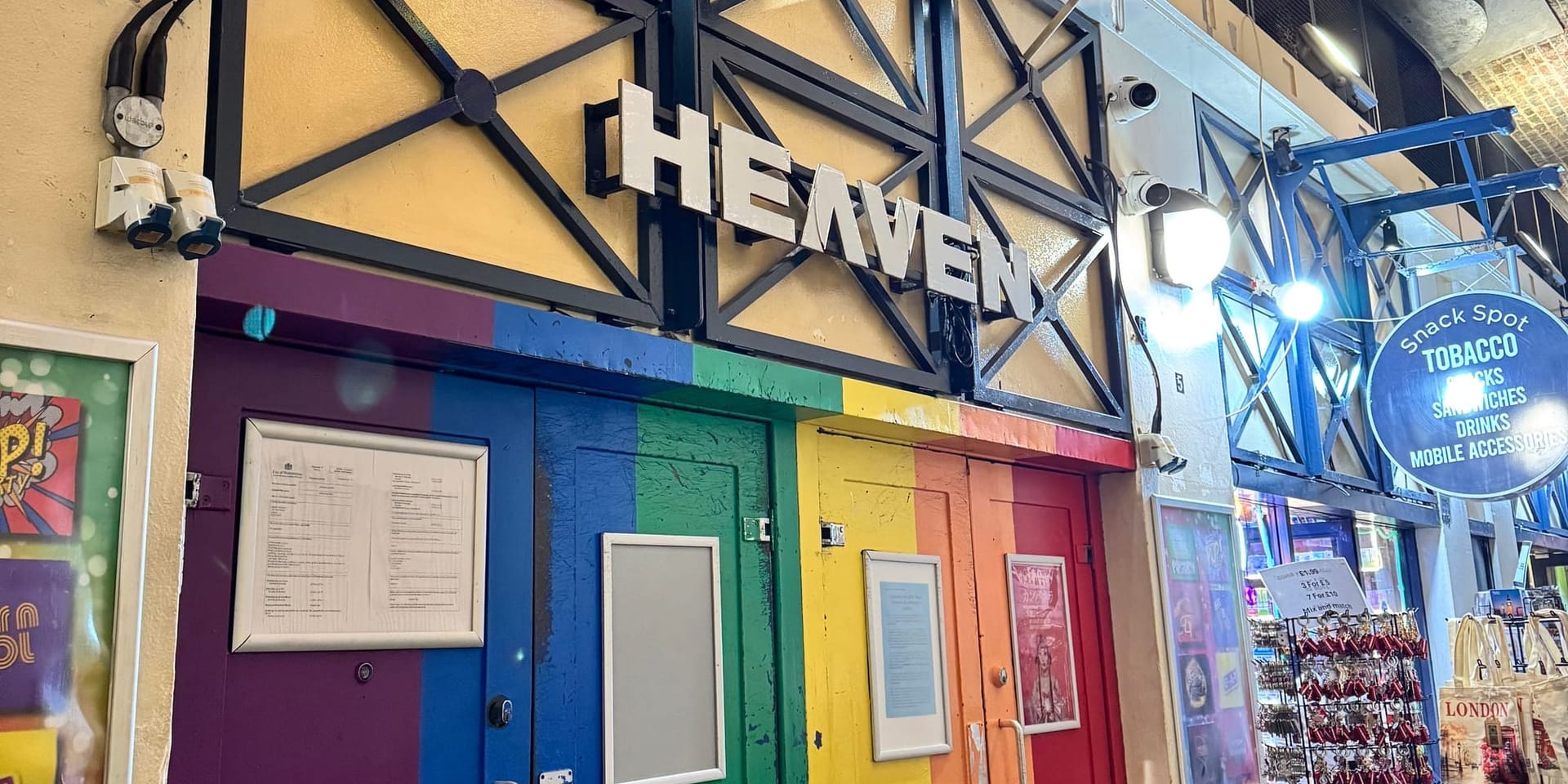
Aldo d’Aponte, 47, pleaded guilty at Westminster Magistrates’ Court to making a false statement to a licensing committee in an attempt to shut down one of London's best‑known LGBTQ+ venues, Heaven.
The Metropolitan Police said the false complaints were likely produced using AI tools and submitted under the names of people who either did not exist or did not live at the addresses provided. Officers said the tactic is an emerging problem for councils and licensing authorities.
Heaven’s licence was suspended in November 2024 after a 19‑year‑old woman accused a security guard of rape. The venue was allowed to reopen a month later following a council review and the introduction of enhanced welfare and security measures. The staff member was later found not guilty of the alleged offence.
During the review, Westminster City Council received a series of detailed objections via encrypted email accounts, opposing the club’s reopening. Two of those letters were later found to have been authored by d’Aponte, the chief executive of a real estate and property company, while falsely purporting to come from neighbouring residents.
A Metropolitan Police source said investigators believe the text of the complaints was generated using artificial intelligence, adding that similar fabricated submissions are now under investigation in other active cases.
Concerns were raised by planning lawyer Philip Kolvin KC, who represented Heaven during the suspension and decided to investigate the objections pro bono after becoming suspicious about their content.
“When the letters were analysed using an AI‑detection tool, they were identified as almost certainly written by artificial intelligence,” Mr Kolvin said. Further checks indicated that the named complainants were fictitious or unconnected to the addresses listed.
Police later traced the IP addresses used to submit two of the complaints back to d’Aponte.
Mr Kolvin said the objections had been “traumatic” for the club’s owner and warned that the licensing system was vulnerable to abuse if councils failed to verify representations. “This whole situation is open to abuse if authorities are not alert and not checking the veracity of objections,” he said.
D’Aponte pleaded guilty to two counts of making false statements under the Licensing Act 2003. The use of AI was not mentioned during the court hearing itself, and prosecutors did not rely on it to secure the conviction, according to court officials .
He was given a 12‑month conditional discharge and ordered to pay £85 in court costs and a £26 victim surcharge.
Article updated on Thursday, 23 April at 9.07am
Scene was founded in Brighton in 1993, at a time when news stories about Pride protests were considered radical.
Since then, Scene has remained proudly independent, building a platform for queer voices. Every subscription helps us to report on the stories that matter to LGBTQ+ people across the UK and beyond.
Your support funds our journalists and contributes to Pride Community Foundation’s grant-making and policy work.




Member discussion