

From Bracknell to Brighton: A grassroots view of Pride outside major cities
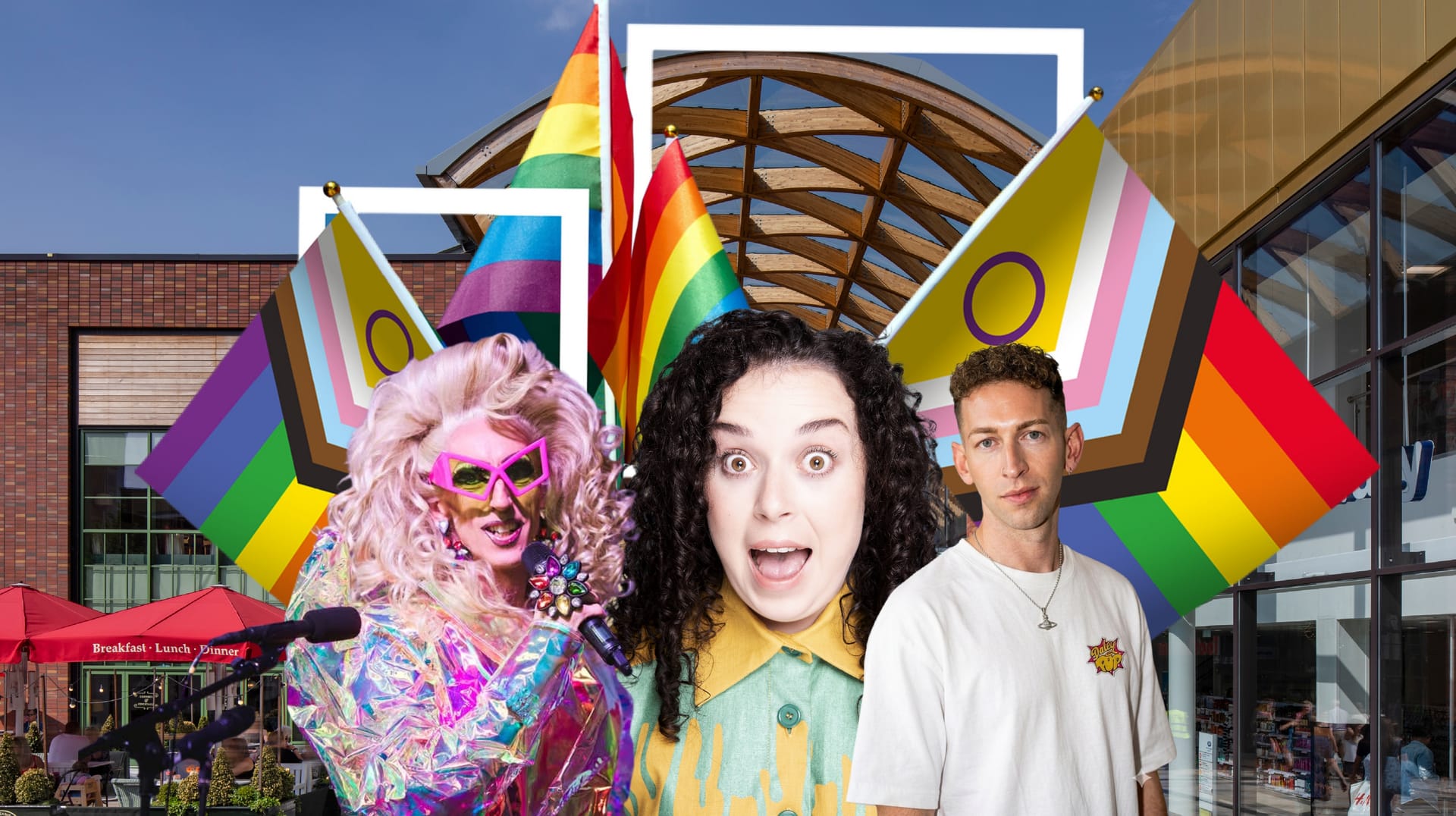
In this feature, Scene contributor Dale Melita joins Dani Harmer, Sarah Naxton and Fonda Cox to reflect on the growing impact of Bracknell Forest Pride and explore why smaller, community led celebrations carry such meaningful power....


With summer officially here, Brighton Pride on the horizon and Pride Month in full swing, I've been reminiscing about my little home town era where growing up gay in the '90s and early 2000s felt taboo, something no one really spoke about. Not that I wanted to talk about being gay all the time but when I look back, there was way less acceptance and representation than there is today. It often felt like this unspoken thing….and yet in just a few decades so much has changed.
The UK moved away from laws like Section 28 which discouraged even talking about homosexuality, to a society where same-sex marriage is legal and Pride is celebrated openly. My hometown even launched Bracknell Forest Pride in 2023, something that still blows my mind. It was described as a “historic” turning point bringing people together in a joyful celebration of inclusion. What once felt hidden is now something proudly shared and that shift feels powerful. It’s not just about changing laws but about how hearts, minds and communities can grow-sounds cheesy but it’s true!
When I see comments online like “Where’s straight pride?" or "This is such woke nonsense" it’s hard not to roll my eyes. I never engage but I don’t think these kind of people realise that straight people were never silenced in the way LGBTQ+ people were under Section 28 (thanks to Margaret Thatcher).
It still blows my mind that Section 28 was introduced the year I was born in 1988!
It kept being gay out of classrooms and conversations as if even acknowledging it was somehow dangerous. At school it basically meant silence. Even when I asked a school friend, Carla Hughes (hey koala hehe) if she knew I was gay back then, she said, “You were just Dale to me. I didn’t really think about sexuality” which is lovely to hear actually but it also shows how invisible being queer was. Being gay just wasn’t spoken about. Not in lessons, not in sex education, not even in discussions around the AIDS crisis in the 1980s. It was like queer people just didn't exist.
When I started to realise I was gay around 11 or 12, I felt isolated and unsure about my future. I didn’t even know the language for how I was feeling despite “that’s so gay” being thrown around constantly. But what I hold onto now is this: even in that silence, I found my way. Life didn’t stay that small, because things did change. And I’m grateful I was born when I was. I know life would have been even harder 10 or 20 years earlier.
Section 28 was only repealed in England (and Wales) in 2003, the year before I left school! I don't even remember seeing this on the news at the time though not that I watched the news at that age. 2001 in Scotland. While that came too late to shape my school experience, (I didn't even go to my prom because of internalised homophobia but that's a story for another day), it marked the beginning of something bigger. Little by little, the world opened up. Conversations became easier. Visibility grew. Acceptance followed. YAY!
When I think about it, that basically means almost my entire childhood and teenage years were spent under legislation that effectively silenced LGBTQ+ lives and experiences. Those years are some of the most important and formative in any person's life. It's when we develop our sense of self, build our understanding of the world, learn how to navigate relationships and establish the confidence and independence that shape us as adults.
Looking back, it really does feel as though the start of my life was delayed in some way. There was so much I wasn't able to see, learn, or understand about myself because those conversations simply weren't happening. I carried confusion and internalised homophobia for a while because I wanted to be "normal" and the impact didn't end when the law was repealed; it stayed with me, shaping my confidence, my mental health and the way I learned to navigate the world. Being the optimistic olive I am though, I didn’t stay there. My family accepted me for who I am and so did my friends. That’s the part that feels important to say out loud, it gets better, sometimes in ways you couldn’t have imagined at the time. Now I can honestly say I love being gay! Life might have been simpler if I were straight but I’m genuinely happy.
Pride, for me is so much more than rainbow flags or parades even though that's fun of course and still a form of protest.
For me personally though, it's about that younger version of myself finally being seen. It’s about creating spaces where no one has to feel invisible or unsure in the same way. It’s about joy, community and the possibility of something better. I know it sounds dramatic but the place that once felt quiet and uncertain has found its voice and in doing so has helped others find theirs too I hope. I just never imagined it happening in my little home town! That's the hopeful part though right? Not just that things have changed but that they’re still changing for the better. I believe we'll get there with trans rights too. I guess it just takes time which is frustrating right now but if you're a closeted or confused trans person reading this, hang in there! I did and I'm so glad I did.
So yeah before Brighton and before the sea, before that fateful morning a seagull swiped a sausage roll straight out of my hand on the way to work, before this fully realised version of me....there was Bracknell baby! When Brightonians ask where I'm from I always say "Errrm a small Berkshire town between Ascot and Windsor better known for the horse racing and royal neighbours, just outside London, not actually far from Brighton" and they usually react with delight.
Fun fact: Bracknell is also home to Harry Potter's house! 4 Privet Drive. Actually Picket Post Close. It's just a normal house ten minutes walk away from where I grew up, despite people travelling miles to see it.

Oh and Bracknell is home to one of the largest interactive water world's in England too, Coral Reef Waterworld. Not that I can swim or like water although there is an adults-only Coral Spa area but stillll. I grew up on a council estate in Harmans Water, later moved to Guildford with my first proper boyfriend then York and finally Brighton, chasing that long held dream of coastal life and authenticity. No matter where I go though, I’ll always be a Bracknell boy at heart.
When I was asked to write this feature about Pride beyond big cities, Bracknell Forest Pride came straight to mind because if you’d told my 15‑year‑old self Pride would exist in Bracknell, I pinky promise I wouldn’t have believed you. Yesss the town has evolved a lot and reinvented itself as a genuine technology powerhouse earning its place in what's often called the Silicon Thames Valley and The Lexicon still blows my mind; but the real shift isn’t only architectural, it’s cultural.
Growing up in the '90s and early 2000's, I didn't know anyone in my hometown who was openly queer.
I wasn't really out, even to myself. Until I was 16 in 2005 so basically a year after I left school! Now there's even a Bracknell LGBTQ+ Group now too on Facebook which blows my mind a tiny bit and I'm a member of course! That kind of online space for your hometown feels completely normal today but back then I didn’t have anything like it. I did have MSN though oh and Faceparty….and Gaydar.
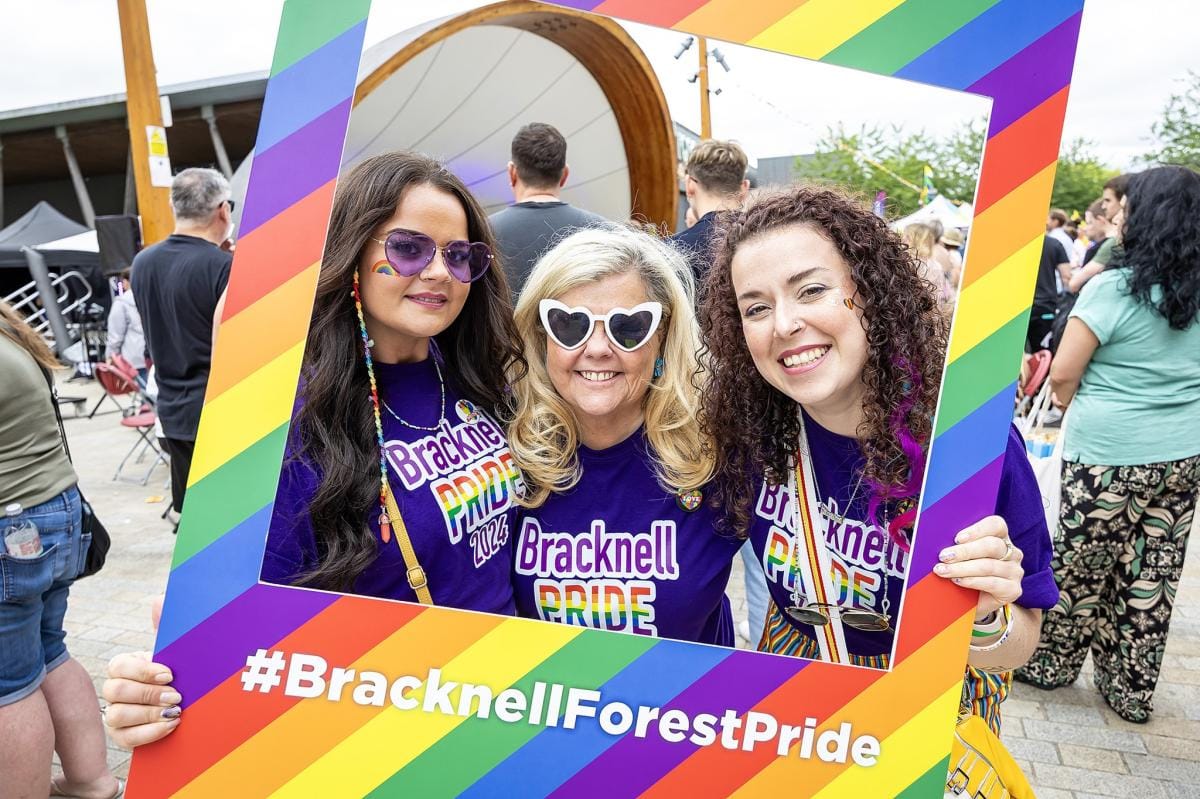
Dani Harmer (the ACTUAL Tracy Beaker) grew up in Bracknell and says what was once “a quiet little town with a few phone shops and a Poundland” is now somewhere people actually travel to but for her, the biggest change isn’t the bars or the restaurants or The Lexicon (I still can't get over that there's a H&M, Hotel Chocolat, GAIL's, Five Guys, Mango, M&S, Nando's, Flying Tiger, Kokoro, Dunelm, Popeyes, Fenwick, Pret, River Island, Primark, TKMaxx, Giggling Squid, Footlocker and Wagamama's and more....like WHAT?! We literally had The Point growing up-Pizza Hut, Frankie & Benny's, Hollywood Bowl plus Topman, Burton's, Odeon, a Harvester and a Beefeater (where I worked FYI) and a few other pubs growing up oh and Bentalls which actually I loved to be fair and is Fenwicks I know but still), oh and BB's in Princess Square. But the real shift is the arrival of Bracknell Forest Pride.
“I’m so, so happy Bracknell finally has a Pride,” Dani says. “Better late than never.”
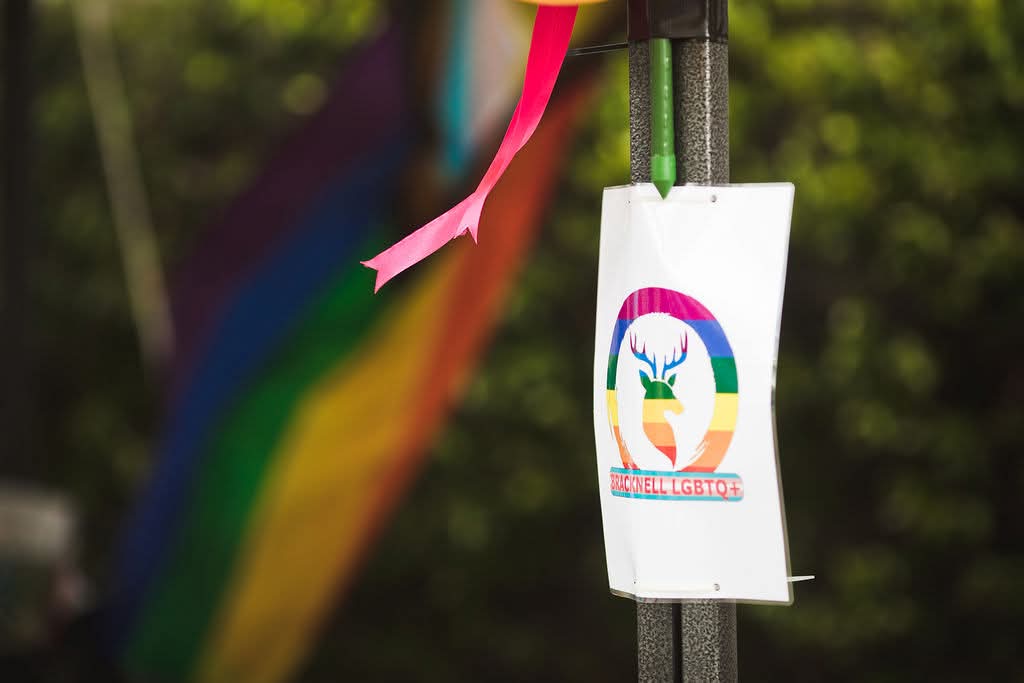
That sense of disbelief still lingers for many of us who grew up there. Not just those of us who are queer, but our allies too. Pride in Bracknell once felt unimaginable yet now it feels quietly revolutionary. In cities like Brighton, Pride is woven into everyday life. In smaller towns though, visibility takes longer to build and that’s why I think local Pride events matter so much. As Dani puts it: “It’s our way of saying we support you, we love you, we’re here for you… not just during Pride, but always.”
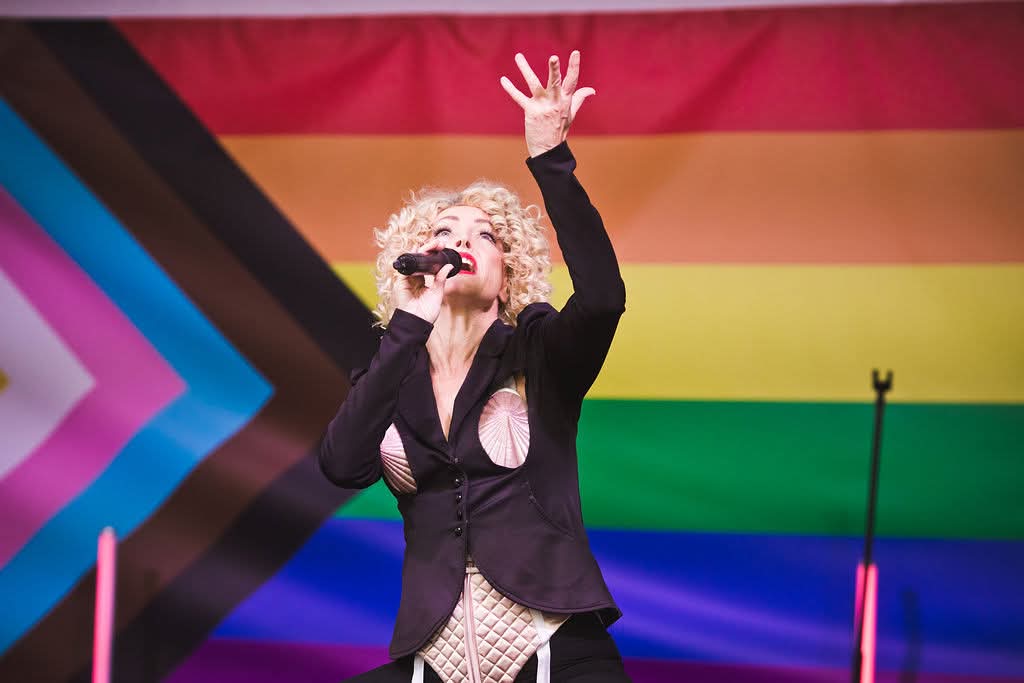
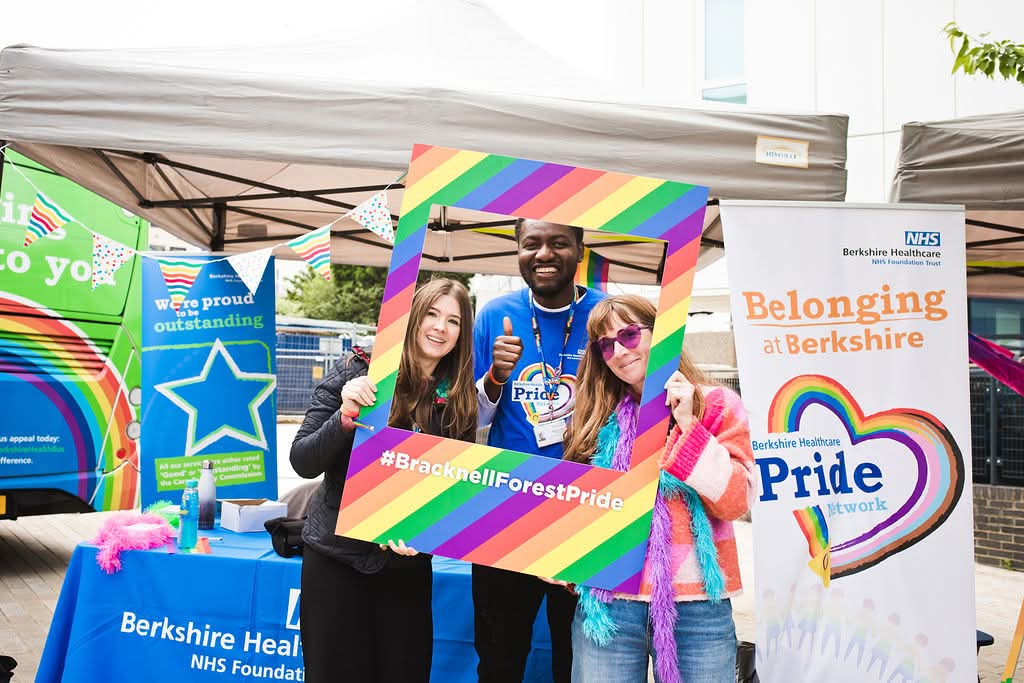
📸 Bracknell Forest Council
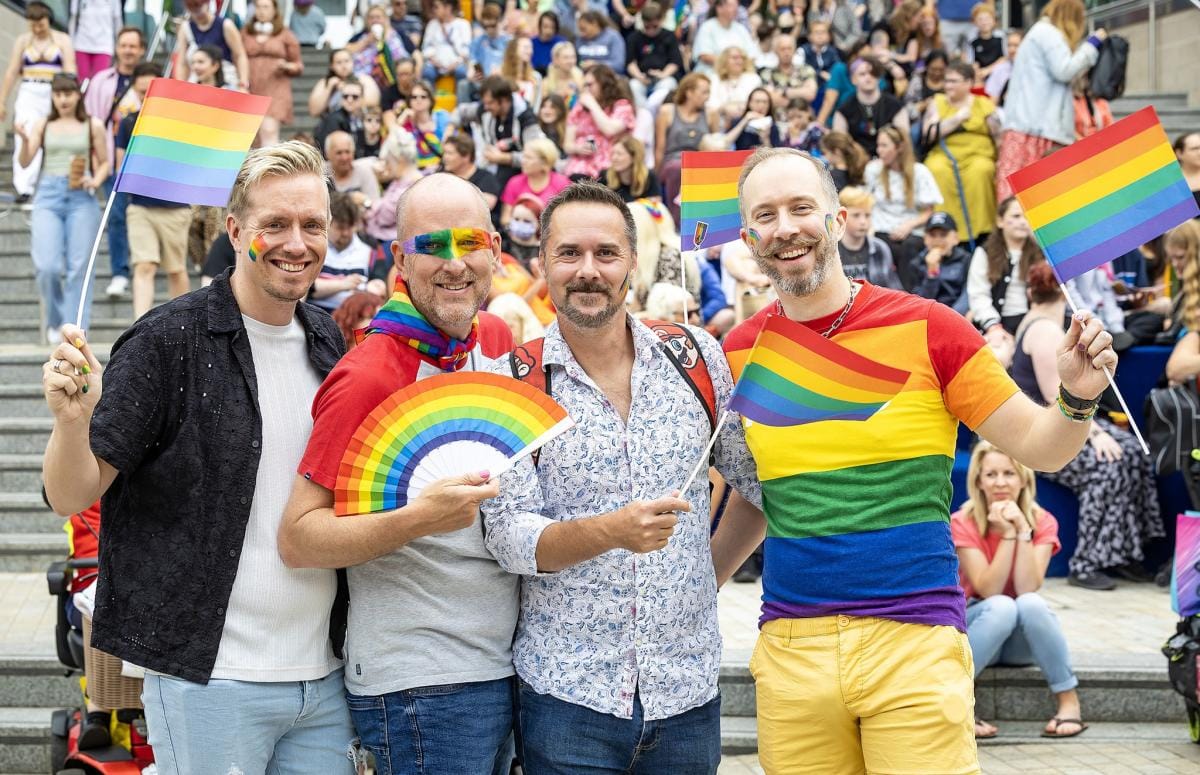
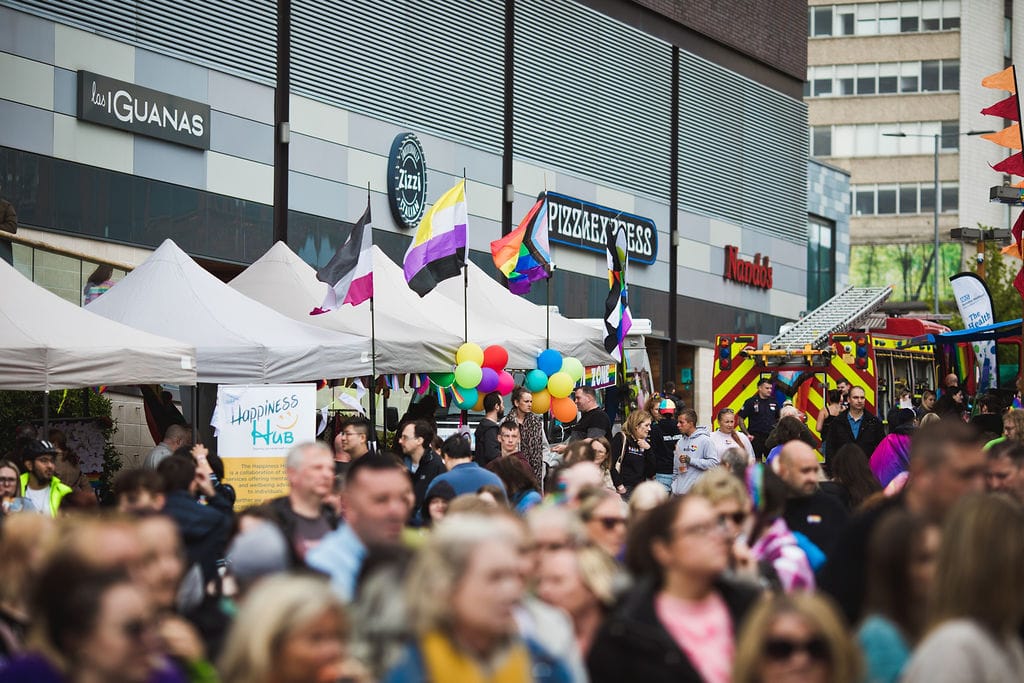
I really love a small town Pride. I’ve been to a few now and honestly I often prefer them to the big city ones. They’re not vast, anonymous crowds stretching over an entire weekend, they’re usually just one day and it feels more personal and comfortable. It’s familiar faces, neighbours, friends and families all coming together. In Bracknell, it’s less about spectacle or big festival energy and more about genuine connection and as a result, like Dani says, "The sense of community is much stronger” and jokes that “every other person is basically my cousin.”
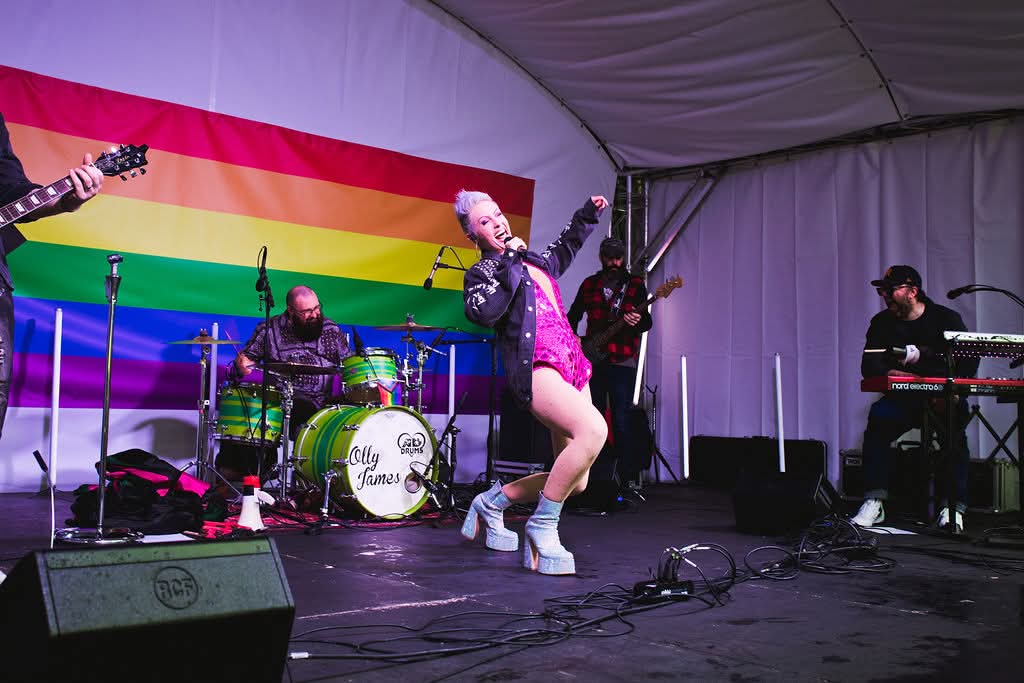
That sense of familiarity though, is exactly what gives events like Bracknell Forest Pride their charm IMPO and for Dani, it’s more than just showing up each year. Her performing arts academy takes to the stage, making it a real highlight in their calendar. Rain or shine (and quite literally) nothing seems to dampen the atmosphere.
"Even last year, when it absolutely chucked it down, seeing all my students waving their flags and spreading love and happiness. That’s what Pride is all about."
Her support for the LGBTQ+ community is something she’s long been vocal about, both locally and on a wider platform. That commitment was especially visible during her appearance on RuPaul’s Drag Race UK season 7 for the hun makeover challenge where she transformed into her drag persona....Dannayris. Thanks to Brighton's Tayris Mongardi (who I interviewed last year by the way, HERE).
Sharing the stage with other icons like Charlotte Church, Diane Parish and David Potts, Dani saw the experience as more than just a fan moment (she's a mega fan of the show by the way), it was an opportunity to show up as an ally. “Being on Drag Race was a dream come true,” she says. “I’d do it all again in a heartbeat.” But more importantly, it reinforced something central to her values, showing solidarity in meaningful and visible ways.
“Some of my closest friends are queer. They’re my biggest supporters and I’ve got such a strong LGBTQ+ fanbase. I’ll always stand by them, especially when things aren’t all sunshine and rainbows like they are right now.”
More than anything, it reinforced something central to her values. The importance of showing solidarity in ways that are both meaningful and visible. For Dani, allyship isn’t passive, it’s active. She believes those with a platform have a responsibility to speak out, amplify voices and share resources that can make a real difference. That includes highlighting charities, helplines and support networks, particularly for communities facing heightened challenges. “Everyone deserves a peaceful, happy life,” she says simply, adding that people shouldn’t be afraid to call out injustice when they see it.
@daniharmer Pride!!! How can we be a better ally??
♬ original sound - Dani Harmer
Meanwhile in Bracknell, Pride continues to grow year on year with increasing turnout and more visibility across the town and Dani is keen to see it evolve even further. More involvement from local businesses, more residents showing their support and crucially, more recognition of Pride’s roots. “We marched for the first time last year,” she notes.
“Pride is still a protest. A huge, joyful march this year, especially in support of the trans community would be amazing.”
Dani and her academy are once again going to be a part of the celebrations this year too and she promises their biggest performance yet. “The set list is incredible,” she teases. “It’s going to be the best one so far.” At its core, Dani’s message is simple: allyship starts with listening and showing up. “Ask your queer friends how you can help. That’s the best place to begin,” she says.
“Be loud, be proud, ignore the ignorance. Fight hate with love because love always wins.”
Behind the scenes, Sarah Naxton, Town Centre Events and Marketing Manager at Bracknell Forest Council has played a key role in shaping what Bracknell Forest Pride has become. Unlike other small Pride events across the UK which are typically volunteer led charities, Bracknell’s is run in partnership with the council giving it a slightly different foundation but the same core purpose! Sarah explains that there wasn’t a single defining moment that sparked its creation; instead, it grew naturally in response to an obvious gap.
“We could see people leaving Bracknell to experience Pride elsewhere,” she says. “There wasn’t anything visible or local here.” At the same time, conversations around identity, representation and belonging were becoming more prominent. Creating a Pride event felt like both a natural and necessary step, a clear signal that Bracknell itself is an open and inclusive place where people don’t need to go elsewhere to feel seen and accepted for who they are. Honestly, it’s the kind of thing my 15-year-old self would have needed more than I can put into words.
This is where Fonda Cox steps in....
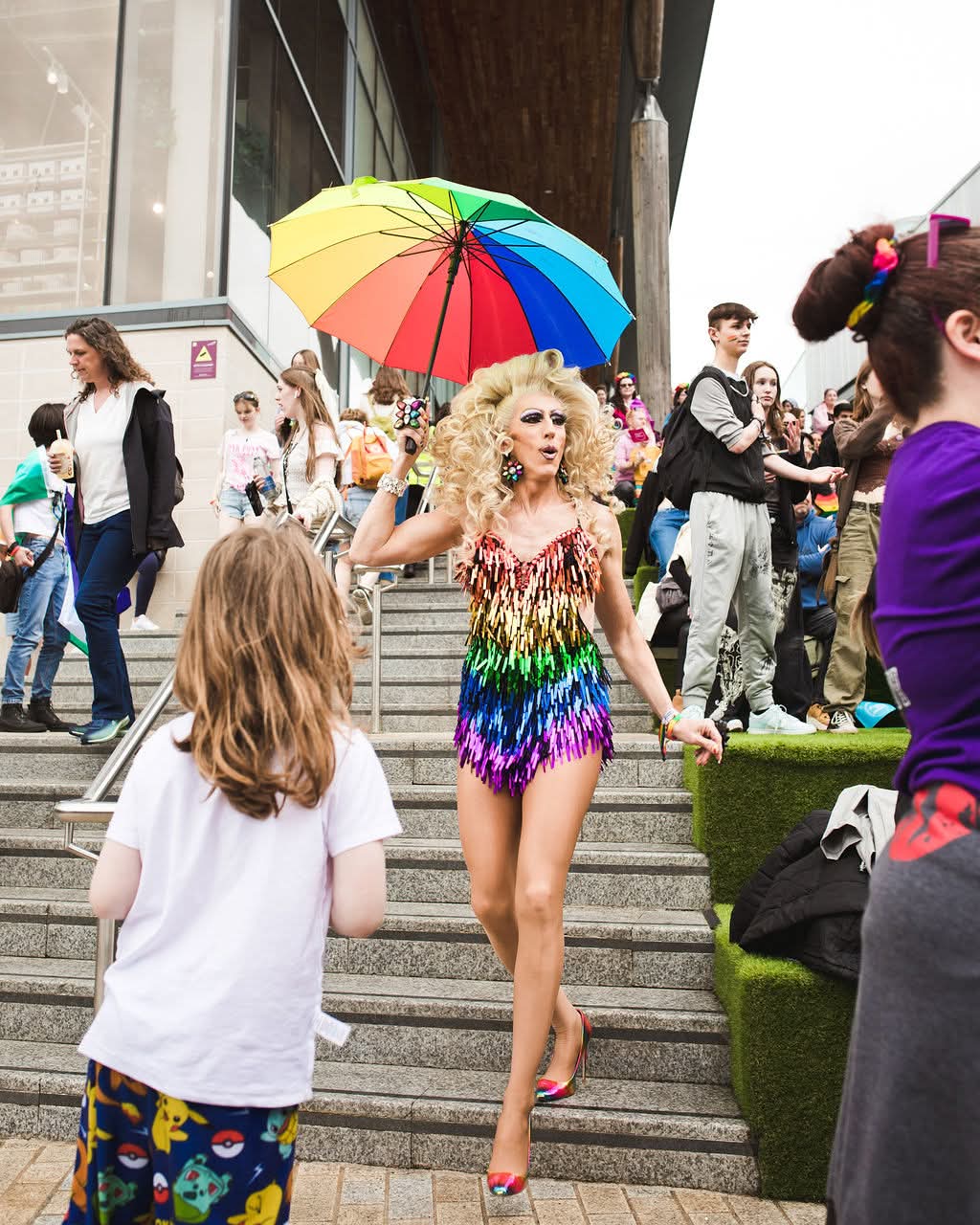
“Performing at hometown Prides always feels warmer,” she says. “I nurture community. I feel a connection with all of them.” Whether she’s on stage or in the crowd, her approach is simple: “I make sure there is nothing but warmth in my tone… it allows people who may have come alone to feel welcomed into other groups.”
I know I sound like a broken record but I genuinely never imagined seeing a drag queen on stage in the middle of Bracknell town centre when I was growing up. A drag queen at the bandstand....OMG....IYKYK. Fonda’s journey started 23 years ago in an Eastbourne gay bar and that sense of connection has only grown since. Reflecting on a recent Pride weekend there, she says: “I look out at the crowd and see familiar faces from years ago, people who’ve since settled into relationships and don’t go out as much, mixed in with new faces and others I’ve never seen before. Some of them have asked me to perform at their weddings, birthdays and countless other celebrations. I feel a connection with all of them.”
Part of what makes her presence so special at local Prides is how rooted she is in the community. “I know the councillors, the Pride committee members and the business owners who support the event,” she explains. “I make sure the crowd gets to know them too, so they recognise the effort that’s gone into putting this all together”. Despite only living in Bracknell for two years, Fonda has quickly become a familiar face. Through regular work at the comedy club at South Hill Park and thanks to the arts centre’s CEO championing her for more family friendly public events, she caught the attention of the local council. Since then, she’s become a go-to host for community celebrations.
“Bracknell has really embraced me as a bit of a local trinket,” she says. “I love fronting events that promote community celebrating and shining a light on the people who work tirelessly to create spaces for others to enjoy.”
And speaking of South Hill Park, Fonda recently made her theatrical debut there. Condragulations Fonda! “Thank you so much. My debut was a crazy comedy of errors from start to finish,” she laughs. “It didn’t go to plan at all and really tested my ability to ad-lib around technical issues but somehow it worked. The audience were in hysterics and the feedback afterwards was that people hadn’t laughed that hard in a long time.”
“My husband played a small part as my technical guru except he kept pressing all the wrong buttons for comedic effect,” Fonda laughs. “He came on stage in a green morph suit because I’d told him to wear something that would help him blend in. Unfortunately he dressed for a green screen studio, not a black cloth theatre….so he looked ridiculous all night.”
The impact clearly lingered beyond the stage. “Just yesterday, he was in Aldi bending over the blueberries when someone recognised him and told him how much they loved the show. He’s loving his local celebrity status.”
Bracknell Forest Pride is still growing but it’s growing with intention. Bigger parades, more involvement and deeper roots in the community. Not chasing scale, but meaning. Where early reactions were often tentative, questions about why Pride was needed or why there isn't a straight pride, there’s now a noticeable shift towards openness. More people are showing up, getting involved and seeing Pride not as something other but as part of Bracknell itself. Which is the long game, normalisation, not novelty, right?!
My hometown proves that impact doesn’t come from size (bigger isn't always better hehehe) it comes from proximity. For families a local Pride is a way to show support in public together and for local businesses it’s a chance to visibly align with inclusivity. I would love to go to Pride with my mum and my dad and my brother and my niece etc! As Bracknell Forest Pride continues to grow, familiar faces like Fonda Cox return alongside a refreshed lineup that leans further into celebration without losing sight of Pride’s activist roots because as Tracy Beaker oooops I mean Dani reminds us: “Pride is still a protest.” and "People need to be vocal and share resources."
"Share charities and helplines that will help our LGBTQ+ family, especially our trans sisters and brothers who are being used as weird pawns right now! We can all see that it’s wrong so speak up! Everyone has the right to a peaceful and happy life."
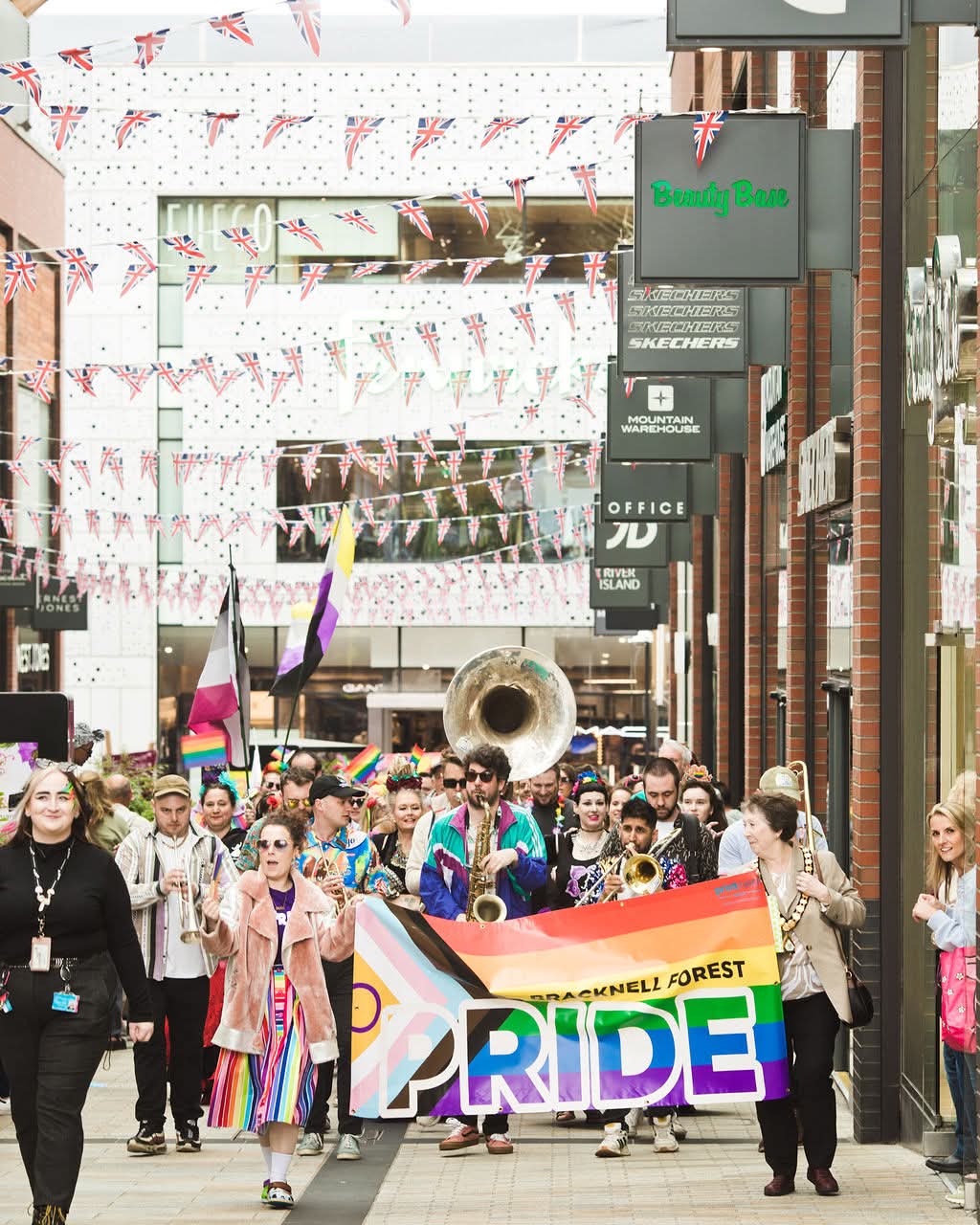
Bracknell Forest Pride has grown into something few might have predicted even a decade ago. One of the standout moments for Sarah (Naxton) came last year, as the full brass band led a vibrant parade through the town centre. “Seeing The Lexicon filled with people cheering and families watching felt like such a powerful way to start the event,” she recalls.
Hosting duties were taken on last year by the one and only Fonda Cox and she brought both joy and meaning to the day. Fonda says "I make sure that there is nothing but warmth in my tone when I host these events. Between hosting duties whilst the guest artists are on, I walk amongst the crowd, chat to them, pose for selfies with them and even dance with them to get the audience involved with whoever is currently performing. These interactions often lead to me being able to do shout outs and celebrate members of the audience when I’m back on the mic. It brings people together and gets the community talking to each other, it allows people who may have attended on their own to be invited into other groups and make some new friends for the day or maybe more."
From the outset, Sarah and her team wanted to create more than just a celebration, they wanted a space for genuine connection. The event offers not just visibility but support. “It’s about helping people feel like they can be the very best version of themselves,” she says. In a town where “everyone knows everyone,” LGBTQ+ visibility has taken on its own kind of meaning. With local performers on stage, businesses showing support and families turning up together, that familiarity has helped weave Pride into everyday life. As Sarah puts it, “it stops feeling like something 'other'… it just becomes part of the town.”
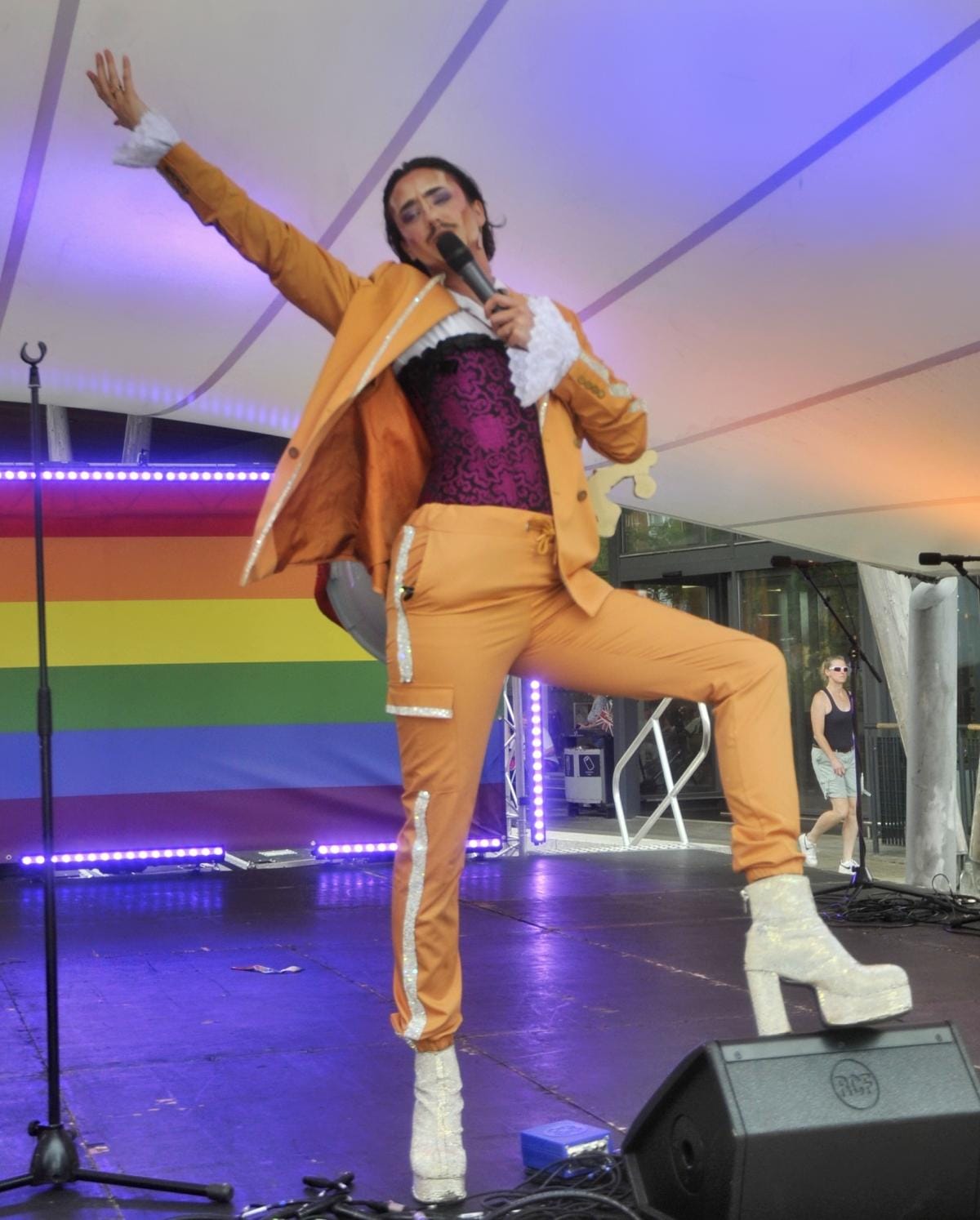
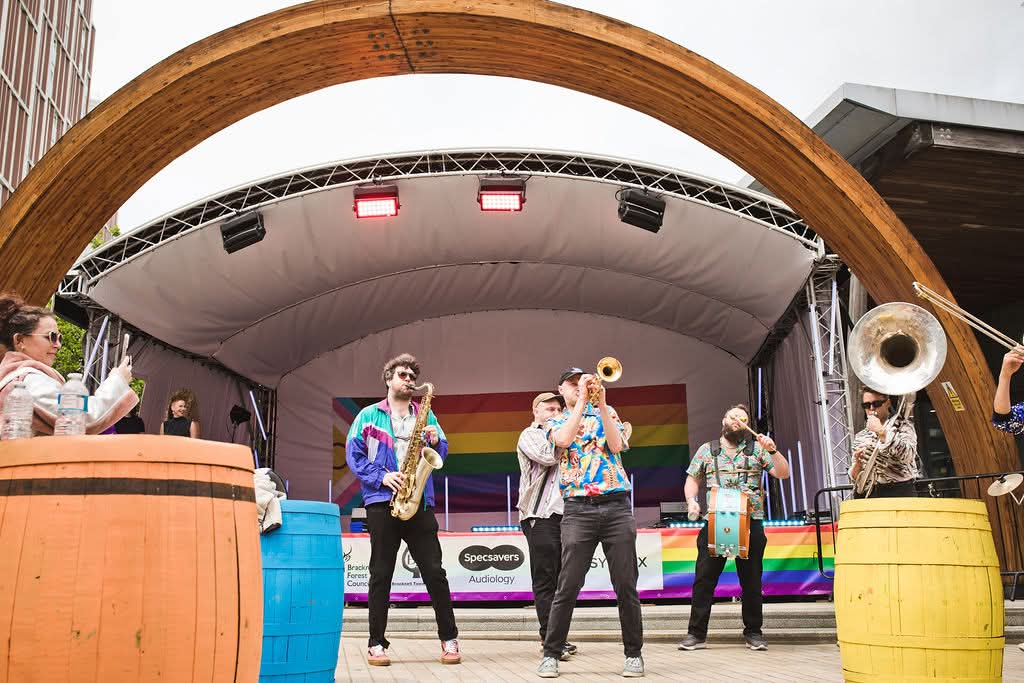
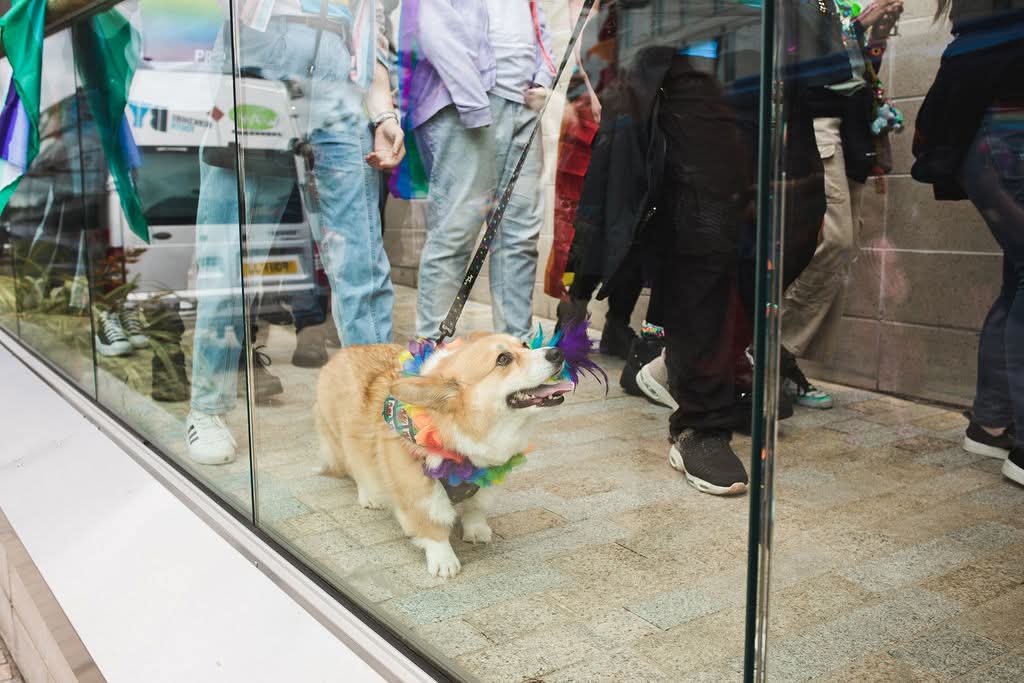
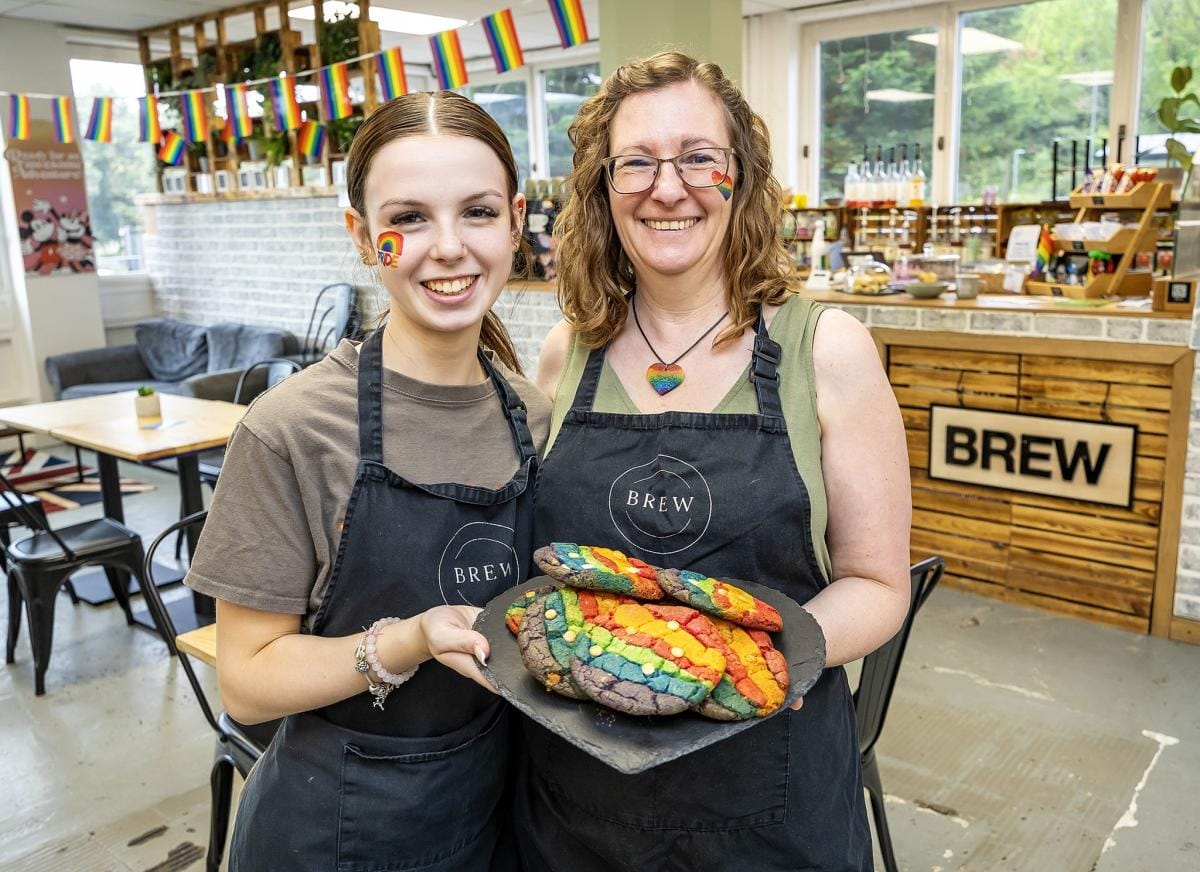
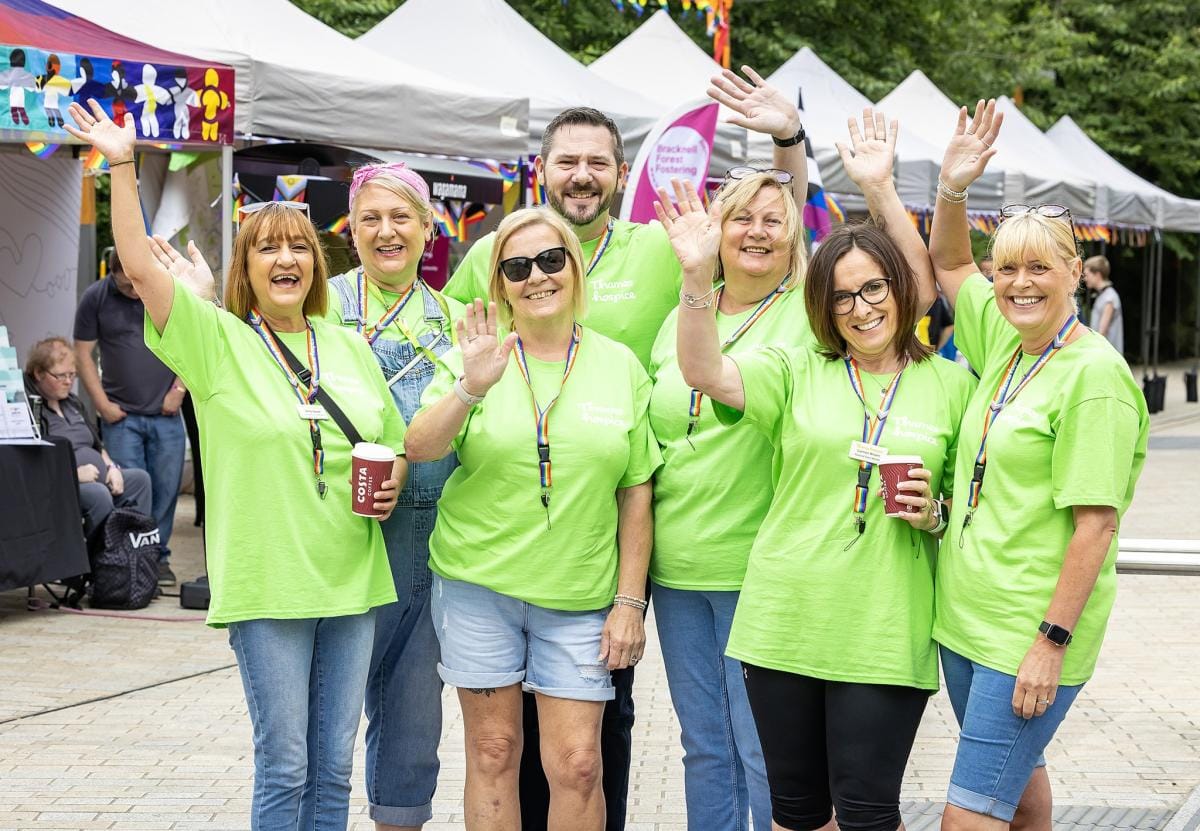
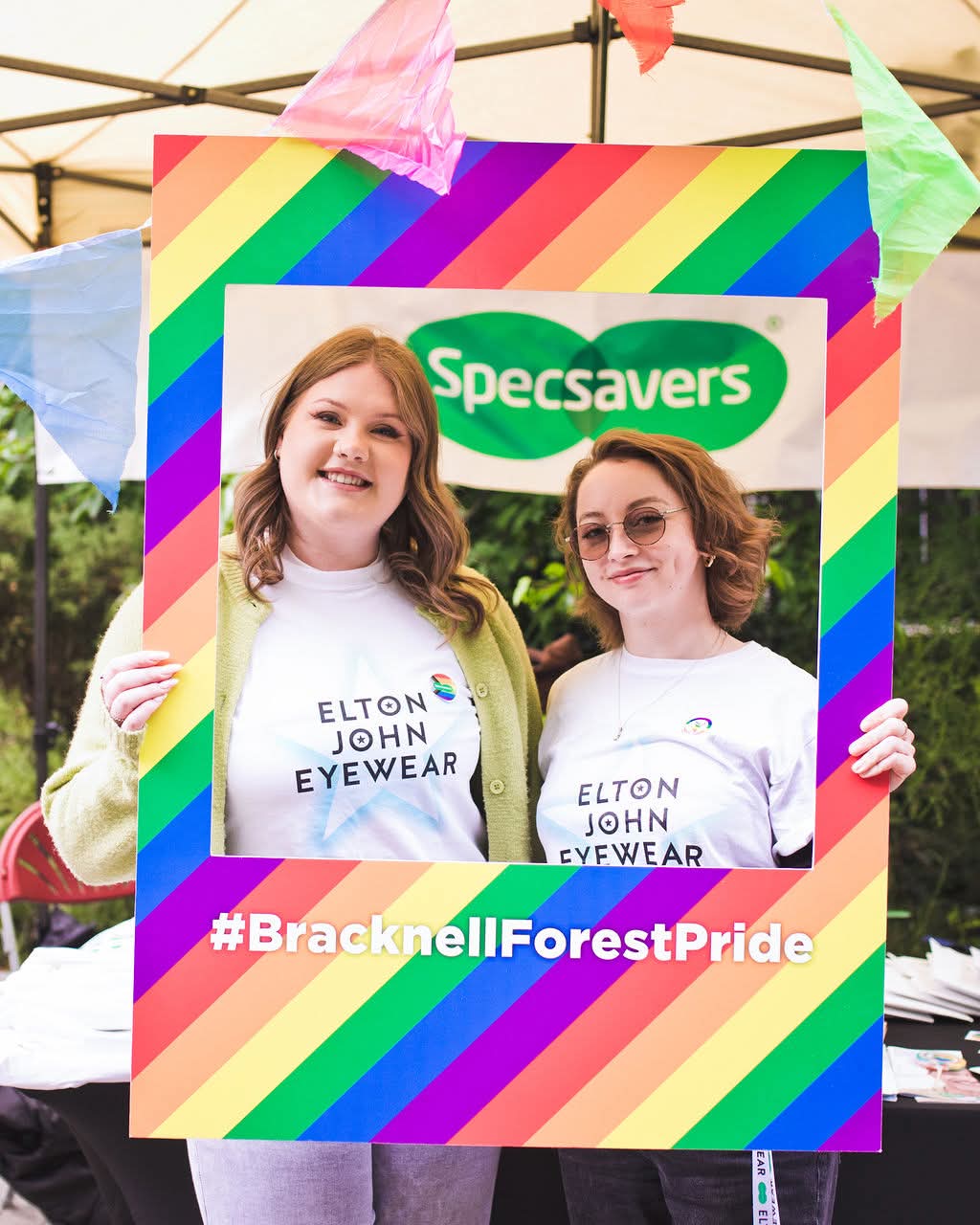
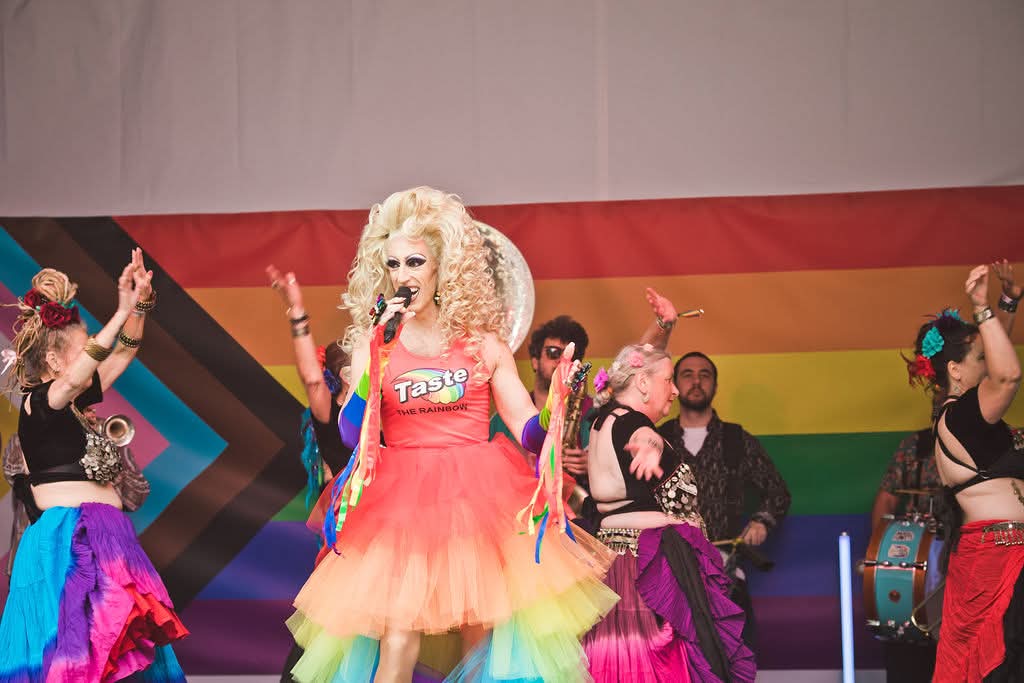
📸 Bracknell Forest Council
Sarah has been seeing a growing openness with more people keen to engage, learn and take part. While some scepticism still exists (you can never please everyone), particularly online, she views those moments as opportunities to educate rather than divide. “It’s about extending a warm welcome,” she says.
Fonda says "In every pride celebration I always make sure that we raise a glass to those who went before us, sacrificing their reputation, their livelihood and often their home life in a time when we were viewed as unacceptable. This also educates people who are new to this about the hard fight that was fought to get us where we are today. Of course I pepper the story with punchlines and personal anecdotes to keep it light, but I find when delivered with space for laughter people keep listening and really take in the message you’re selling."
What sets a small town Pride like Bracknell Forest Pride apart is accessibility. For many, especially younger people, it’s their first real experience of LGBTQ+ community making it deeply personal and often life affirming too. As Sarah says, “Real cultural change happens in places like Bracknell,” where visibility can genuinely shift perceptions, spark conversations and help people feel seen in their everyday lives. The goal, she explains, is to make Pride feel embedded within the town. Not just something that arrives and disappears but something shaped by and reflective of the community itself. I remember being 18, hopping on the train from Martins Heron for Reading Pride, my first ever Pride event, making lots of new friends and then spending the evening at The Granby, my first experience of a gay nightclub and also The Wynford Arms, a legendary gay bar that’s no longer there. RIP. For the first time in a long while, I felt….normal and that there were loads of people like me in the world! Fun fact: Reading Pride was notably the first town Pride festival to take place in the UK, in 2004.
Fonda says "The larger cities prides tend to be hosted by big events companies and attract many out of towners, so there's less of a feeling of emotional pride towards a community getting together to celebrate. Instead it has more of a festival vibe with a strong message of love one another regardless of their identity. The community feel is a little more muted as more often than not, the local gay bars can’t even be involved in or benefit from the main events. Instead they rely on people popping along to their after parties once they have left the pride enclosures. Each type of festival has its place, but I always feel much more warmth at smaller community driven events." Same here hun!
Some of the most meaningful feedback from attendees who say it was their first time feeling truly seen in their own town. “You hear people say, ‘I didn’t expect this in Bracknell,’” Sarah says. “And they mean it in the best possible way.” Looking ahead, Sarah’s vision is focused not just on growth but on sustainability and depth. She hopes to see more partnerships, greater community involvement and activity that extends beyond a single central space.
“Maybe even a second stage,” she suggests. The parade, too, is set to evolve, building on last year’s success with more participants and even greater energy. As for 2026's Pride, there’s already plenty to look forward to. Fonda Cox will be back, “a massive hurrah,” as Sarah puts it, alongside a refreshed music lineup designed to push the event firmly into party territory without losing its sense of purpose. Ultimately, Bracknell Forest Pride is about more than visibility. It’s about belonging. Creating a space where people feel seen, supported and celebrated, right where they are and for who they are. For a town once thought unlikely to ever host such an event, that transformation speaks volumes. Fonda says "Personally it gives me a sense of pride to be part of the team that is focused on the need to educate instead of hate."
"For every new ally that stumbles through our party on their afternoon shopping activities and decides to stay to enjoy the event with us, that’s one more person promoting our right to exist and silence the haters."
"I’m impressed that this event is held in such a prominent place, it shows that Bracknell is not a town where people should ever feel a need to hide. It’s a town that celebrates people for their differences. Which makes it a special place in my mind."
With Bracknell Forest Pride returning next month (18th July) for it's third year, it’s clear this once unlikely event has become something far more powerful: a celebration of community, visibility and progress right at the heart of a town still redefining itself. For me, Bracknell Forest Pride represents something bigger than a single event. It’s proof that change doesn’t just happen in cities, it happens in the places people start, the towns they grow up in, the communities they thought might never shift. It’s a reminder that visibility matters everywhere and maybe it’s finally time I made it back to Bracknell for Bracknell Forest Pride myself.
Scene was founded in Brighton in 1993, at a time when news stories about Pride protests were considered radical.
Since then, Scene has remained proudly independent, building a platform for queer voices. Every subscription helps us to report on the stories that matter to LGBTQ+ people across the UK and beyond.
Your support funds our journalists and contributes to Pride Community Foundation’s grant-making and policy work.
Member discussion