



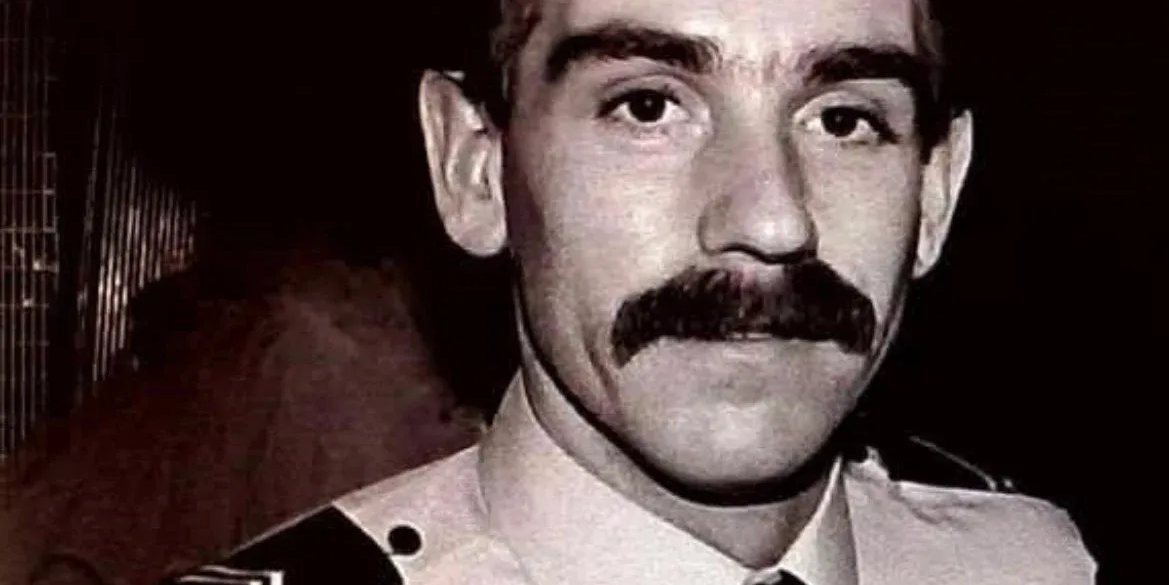
Campaigners are calling on Manchester City Council to issue a formal apology to the family of Roger Youd, a man with AIDS who was unlawfully detained in hospital in one of the most controversial HIV-related cases of the 1980s.
Roger Youd, 29, became the focus of international attention in September 1985 after Manchester Council obtained a court order to detain him at Monsall Hospital after he expressed a wish to return home for a weekend visit.
According to campaigners, neither Youd nor his family were consulted before the order was granted under Section 38 of the Public Health (Control of Disease) Act 1984. HIV/AIDS was not classified as a notifiable disease at the time, leading lawyers acting for Youd to argue that the detention order had no legal basis.
The case attracted widespread media attention in the UK and abroad and sparked protests outside Manchester Town Hall. With support from Manchester AIDS Line, now George House Trust, and Terrence Higgins Trust, Youd challenged the order in court.
His legal team argued that the detention amounted to "virtual imprisonment", and ten days after the order was imposed Manchester Crown Court rescinded it. Following the ruling, Manchester Council publicly stated that no-one living with HIV or AIDS would be subjected to such an order again.
However, campaigners say that despite the court's decision and the council's acknowledgement that the order would not be used in future, neither Youd nor his family ever received an apology.
Youd died shortly after the order was lifted. By that point, his health had deteriorated significantly and he had chosen to remain in hospital. Campaigners also say his family faced intense media scrutiny and harassment during the case.
Now, more than 40 years later, HIV activist and podcaster William Hampson is urging Manchester Council to issue a posthumous apology to Youd and his relatives.
Hampson, who hosts the podcast AIDS: The Lost Voices, has spent the past year researching Youd's story and speaking with members of his family, including his brother, who acted as a liaison with hospital staff during the detention.
He has also added a panel commemorating Youd to the UK AIDS Memorial Quilt and has been campaigning for greater recognition of the case.
Supporters say an apology would provide a measure of closure for both the Youd family and the wider LGBTQ+ community, while acknowledging the discrimination and fear that characterised the early years of the AIDS epidemic.
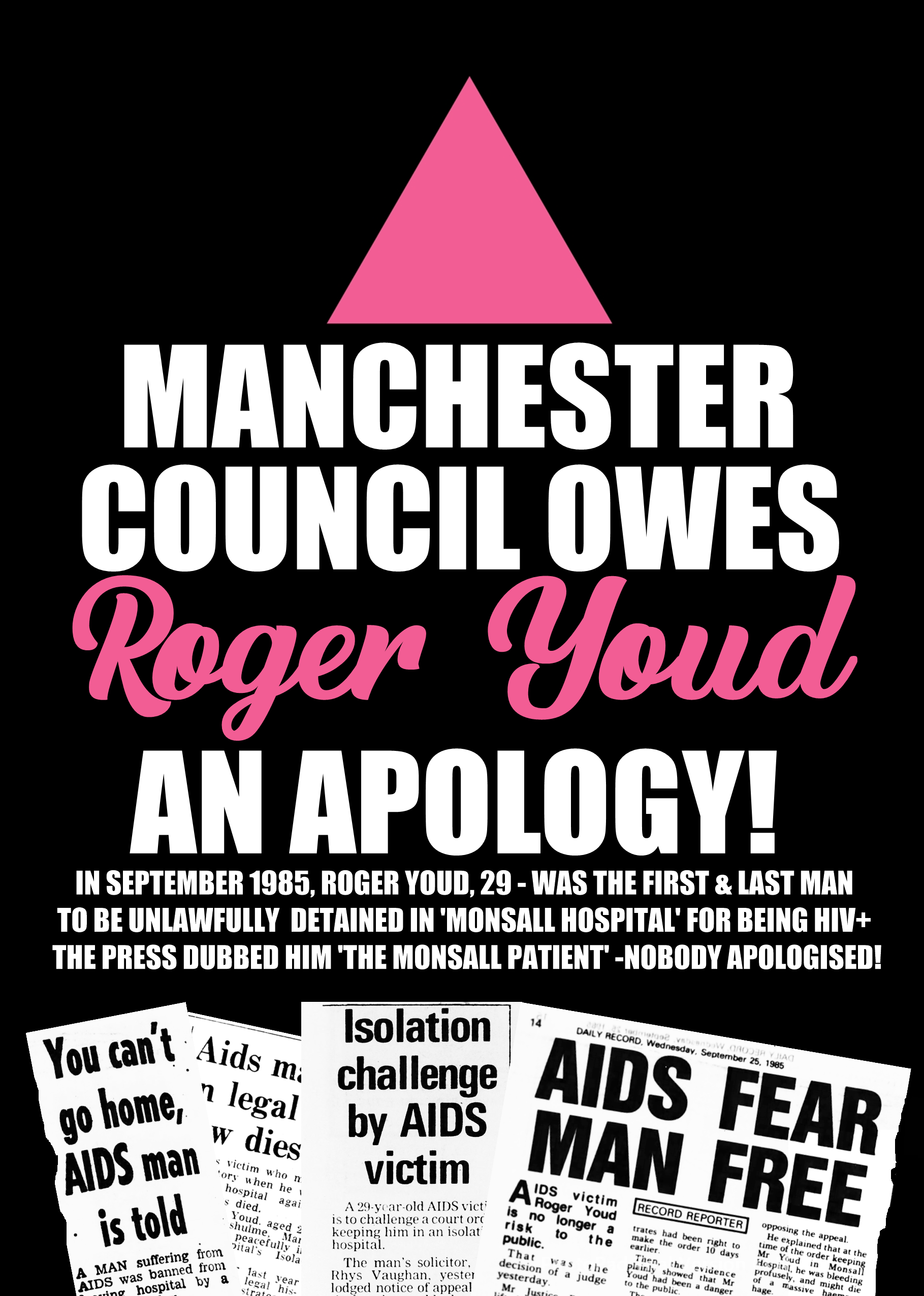
The campaign has gained visibility through outreach at Pride events in London and Brighton, where campaigners say many people were already familiar with Youd's story and expressed surprise that no formal apology had ever been made.
Recent efforts to commemorate Youd have included the installation of a plaque at the George House Trust AIDS Memorial in Manchester's Sackville Gardens. Unveiled on 3 July, the plaque references his case, and a separate memorial plaque in his honour is also planned.
Manchester Pride is also set to display Youd's AIDS Memorial Quilt panel, known as Block 47, in an effort to raise awareness of his story and the ongoing call for an apology.
Youd's experience has also entered popular culture. His case was referenced in Russell T Davies' award-winning drama It's A Sin, which featured a storyline involving the detention of a character with AIDS under a court order. While the programme drew on aspects of the real-life case, campaigners stress that Youd was never physically locked in his isolation room.
Those backing the campaign argue that a formal apology would not undo the events of 1985 but would represent an important act of accountability.
They say it would acknowledge the suffering endured by Youd and his family and demonstrate that lessons have been learned from a period when fear and misunderstanding surrounding HIV/AIDS often led to discrimination against those living with the virus.
A petition calling on Manchester City Council to issue a public apology has now been launched. Campaigners hope it will help secure what they describe as long-overdue recognition of a historic injustice.
Scene was founded in Brighton in 1993, at a time when news stories about Pride protests were considered radical.
Since then, Scene has remained proudly independent, building a platform for queer voices. Every subscription helps us to report on the stories that matter to LGBTQ+ people across the UK and beyond.
Your support funds our journalists and contributes to Pride Community Foundation’s grant-making and policy work.



Member discussion