

Brighton & Hove council leader, Bella Sankey, raises concerns over EHRC guidance on single-sex spaces


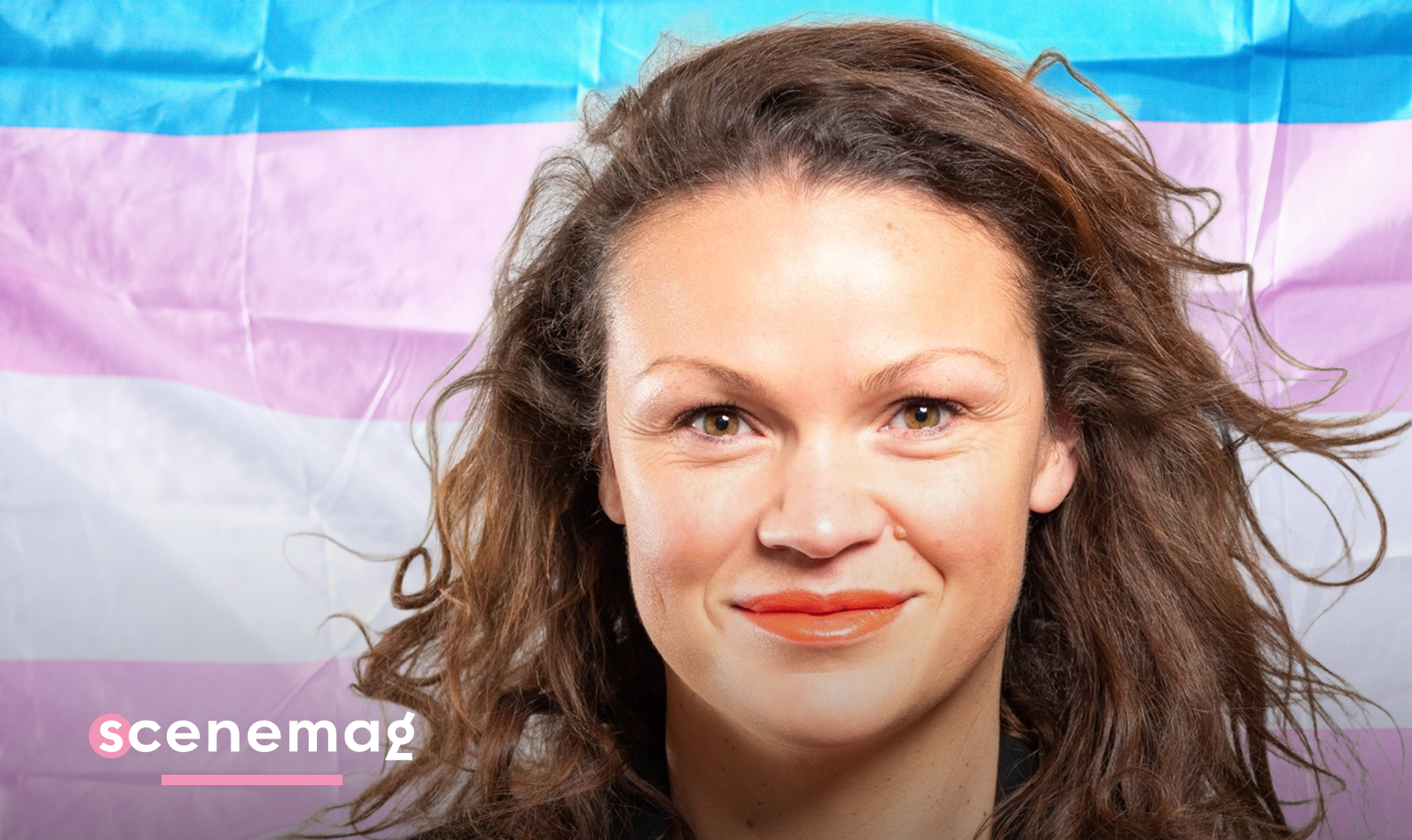
The leader of Brighton & Hove City Council has raised concerns about new guidance issued by the Equality and Human Rights Commission (EHRC) on single-sex spaces, warning it could create uncertainty for both trans people and service providers.
Councillor Bella Sankey issued a statement following the publication of the guidance last week, saying it had caused “confusion and concern” and risked undermining the rights and dignity of trans people.
Councillor Sankey said the guidance appeared to suggest that trans people may not be able to use facilities aligned with either their sex at birth or their gender, describing this as “deeply confusing” and “deeply unfair”.
According to the council leader, trans and non-binary residents in Brighton & Hove have already reported a “chilling effect”, with some avoiding public services, including healthcare settings, for fear of being challenged or discriminated against.
The statement also highlighted concerns for businesses and service providers, with Councillor Sankey saying the guidance failed to provide the clarity organisations need when managing access to facilities. They added that women and men who do not conform to traditional gender stereotypes could also face questioning or be wrongly denied access to spaces they are entitled to use.
Calling for urgent action, Councillor Sankey said the guidance should be withdrawn and urged Parliament to legislate to clarify the rights of trans people to participate in everyday life in an inclusive way.
The statement also reaffirmed the council’s commitment to its Trans, Non-Binary and Intersex (TNBI) residents and visitors, saying they make a significant contribution to the city’s character and culture.
Councillor Sankey said Brighton & Hove City Council remained committed to ensuring its LGBTQIA+ staff, including trans and non-binary employees, feel valued, respected and safe at work, adding that dignity, equality and equity under the law should apply to everyone.
Scene was founded in Brighton in 1993, at a time when news stories about Pride protests were considered radical.
Since then, Scene has remained proudly independent, building a platform for queer voices. Every subscription helps us to report on the stories that matter to LGBTQ+ people across the UK and beyond.
Your support funds our journalists and contributes to Pride Community Foundation’s grant-making and policy work.


Member discussion