



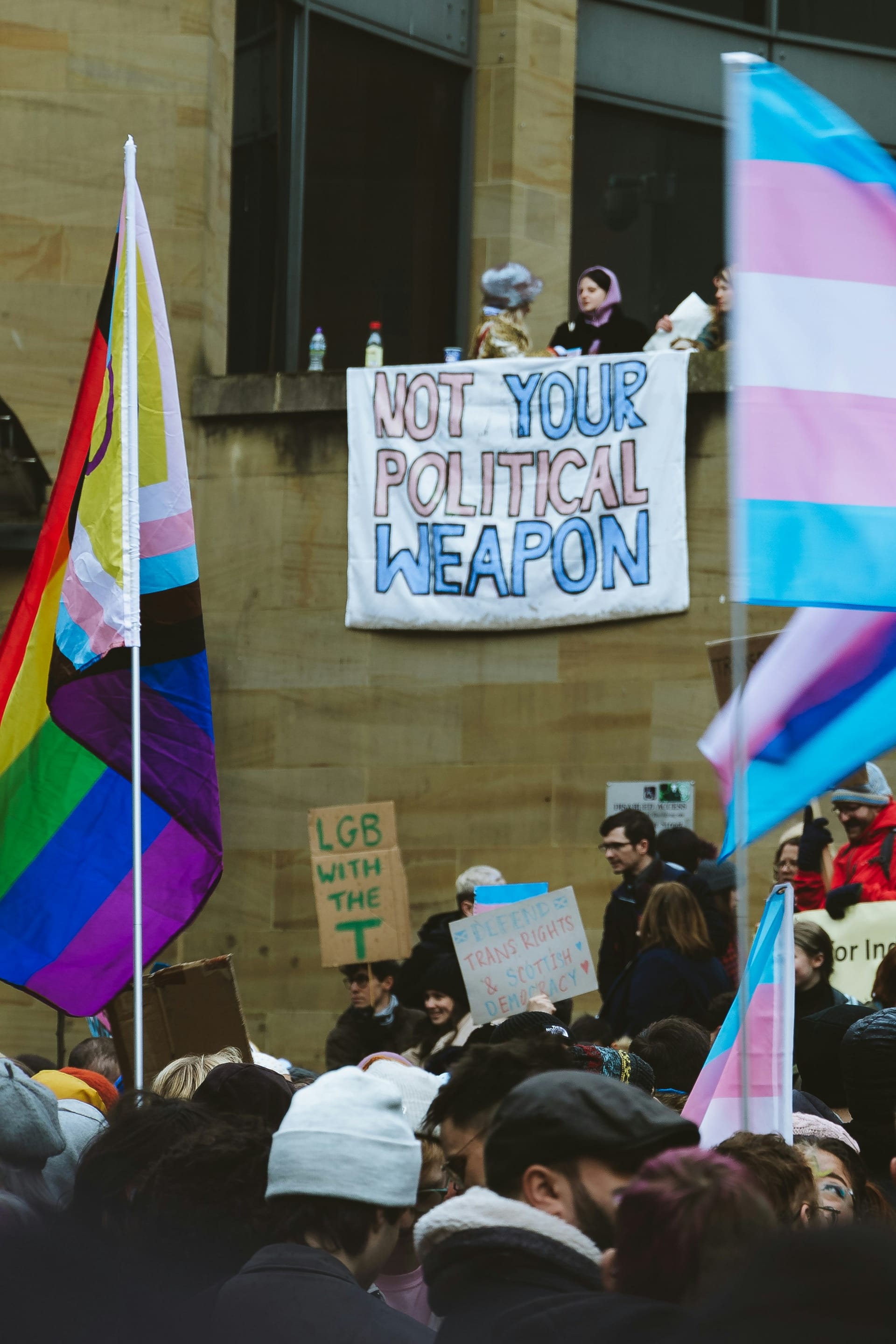
Campaigners have accused a government minister of making “inflammatory and dangerous” remarks after comments in Parliament about single-sex spaces, as international organisations warn new guidance could lead to increased exclusion of trans people in the UK.
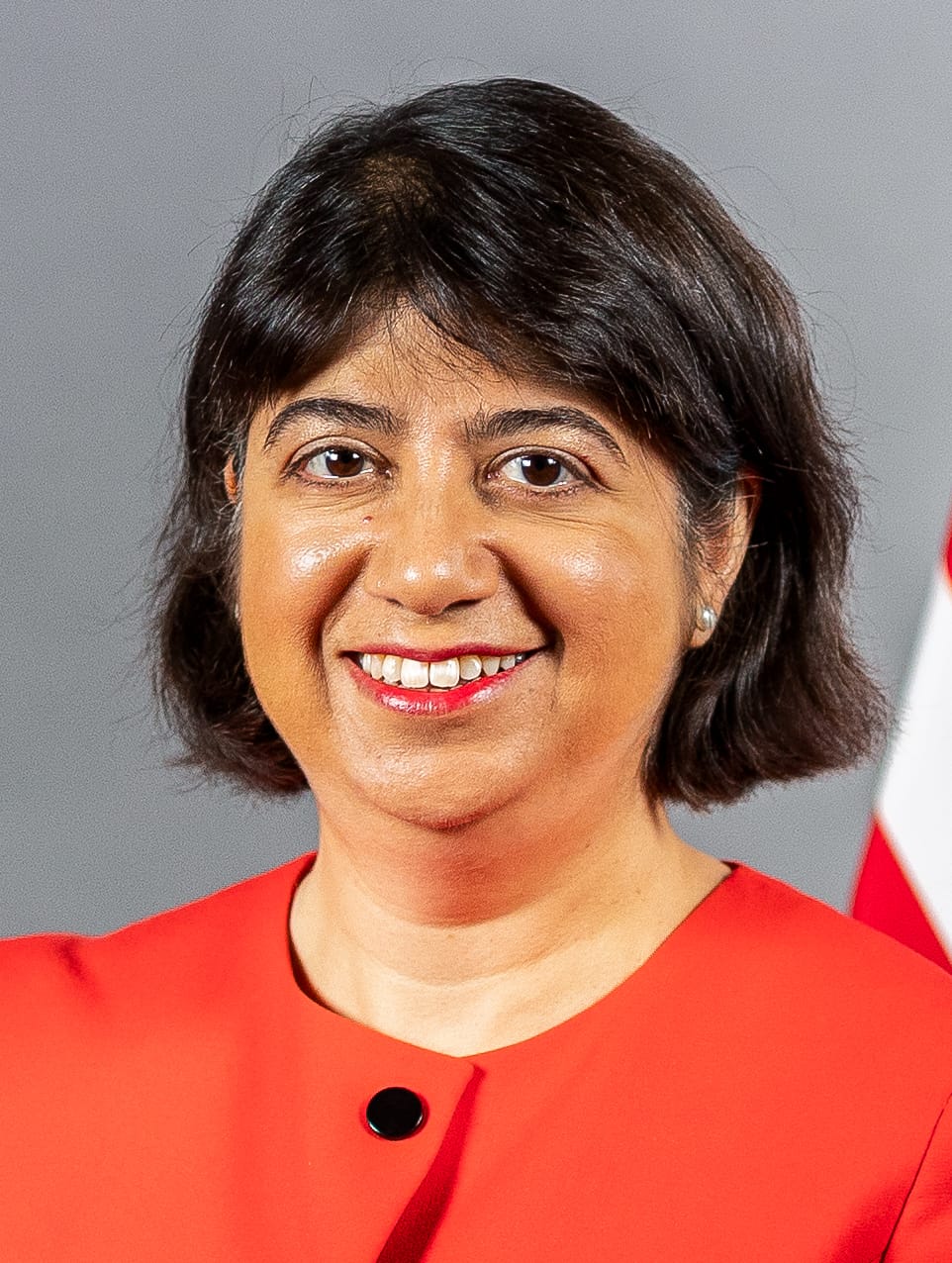
Seema Malhotra, the Parliamentary Under-Secretary of State for Equalities, told MPs that “most people have the common sense to step in when necessary, for example when a person of the opposite biological sex enters a single sex facility in error - and when to alert a member of staff”.
“Her statement in Parliament is an extraordinarily inflammatory and dangerous contribution."
Her intervention comes amid growing debate over a draft Code of Practice under the Equality Act 2010, which has been updated by the Equality and Human Rights Commission following the Supreme Court’s ruling in the For Women Scotland case on the definition of “woman”.
Responding, a spokesperson for Trans+ Solidarity Alliance said the minister’s comments risk fuelling hostility and discrimination.
“Her statement in Parliament is an extraordinarily inflammatory and dangerous contribution. This risks a dark era of people being challenged for their compliance with gender stereotypes,” they said.
“This comes just after the UK was roundly condemned by international LGBTQ+ rights bodies for encouraging ‘cruel and inhumane’ gender policing.
“This coming on the first day of Pride Month contributes to a sense that this Labour government see trans equality and safety as disposable.”
The remarks follow a joint statement from a coalition of European and international LGBTQ+ organisations - including TGEU, ILGA-Europe and IGLYO - raising “deep alarm” over the draft Code. In their statement, the groups argue that the proposals could result in trans people being excluded from services aligned with their gender identity.
 TGEU
TGEU
They warn the guidance risks “cruel and inhumane assessments and outcomes”, including situations in which individuals could be questioned about their sex based on appearance or behaviour. The organisations also raised concerns about privacy, data protection and the potential for people to be “outed” without consent.
Under the draft Code, service providers may in some circumstances restrict access to single-sex services, which critics say could lead to trans people being unable to use facilities such as bathrooms, changing rooms and support services. The joint statement argues the measures could result in broader exclusion from public life and increase the burden on both individuals and service providers.
A number of Labour MPs have also expressed concerns about the proposals during parliamentary discussions.
The intervention and subsequent backlash come at the start of Pride Month in the UK, a period typically marked by celebrations of LGBTQ+ equality and visibility. Campaigners say the timing has heightened unease within parts of the community about the direction of government policy.
 kobuadmin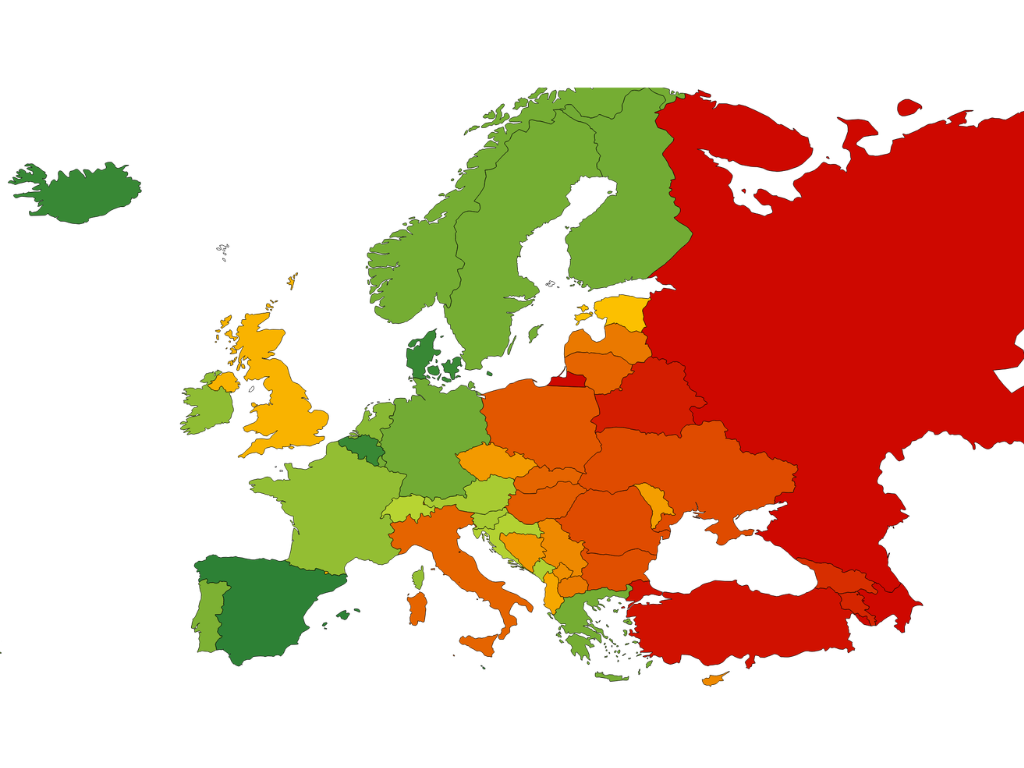
The UK was previously regarded as a leading country for LGBTQ+ rights but has fallen in recent years in ILGA-Europe’s Rainbow Map rankings, which assess legal protections and equality measures across the continent.
The draft Code of Practice is expected to proceed through Parliament under the existing procedure, with campaign groups continuing to urge ministers to reconsider its provisions and clarify how trans people’s rights will be protected in practice.
Scene was founded in Brighton in 1993, at a time when news stories about Pride protests were considered radical.
Since then, Scene has remained proudly independent, building a platform for queer voices. Every subscription helps us to report on the stories that matter to LGBTQ+ people across the UK and beyond.
Your support funds our journalists and contributes to Pride Community Foundation’s grant-making and policy work.



Member discussion