



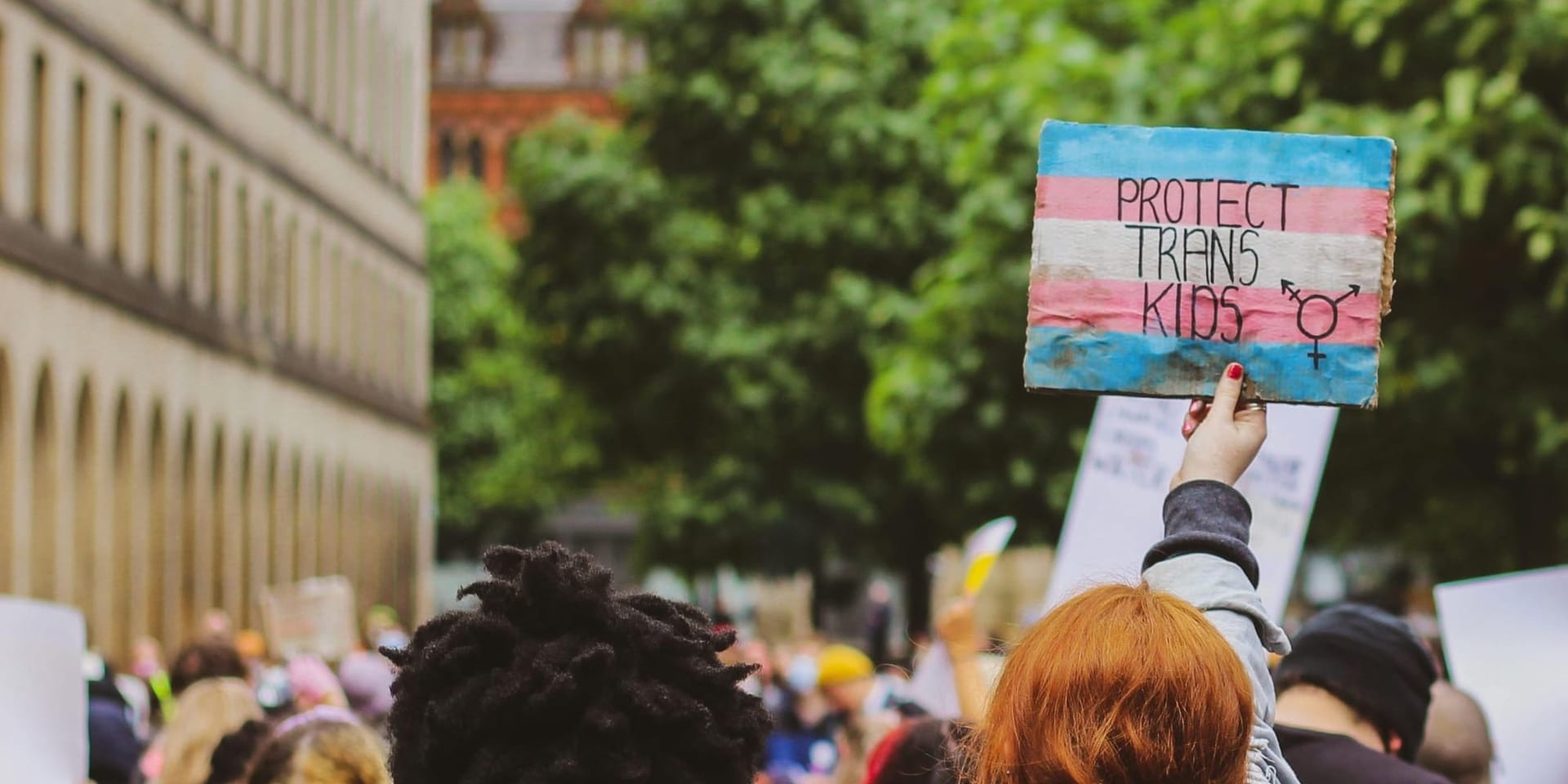
Anti‑LGBTQ+ bullying remains widespread in UK schools and is increasing, according to a new BBC analysis of school exclusion data, prompting renewed calls for stronger support for young people.
The research, based on Department for Education figures, shows that 13,065 pupils were suspended or excluded between the 2020/21 and 2024/25 school years for bullying others because of sexual orientation or gender identity. The number of such exclusions rose by 25% over four years.
LGBTQ+ youth charity Just Like Us said the figures were likely to understate the true scale of the problem, as suspensions and exclusions are used only in the most serious cases of bullying.
Broadcaster Annie Mac said the findings were “genuinely shocking”, adding that anti‑LGBTQ+ bullying “happening right now, in our kids’ schools, is not okay”. Mac said the charity had been an important resource for parents trying to understand what young people are experiencing.
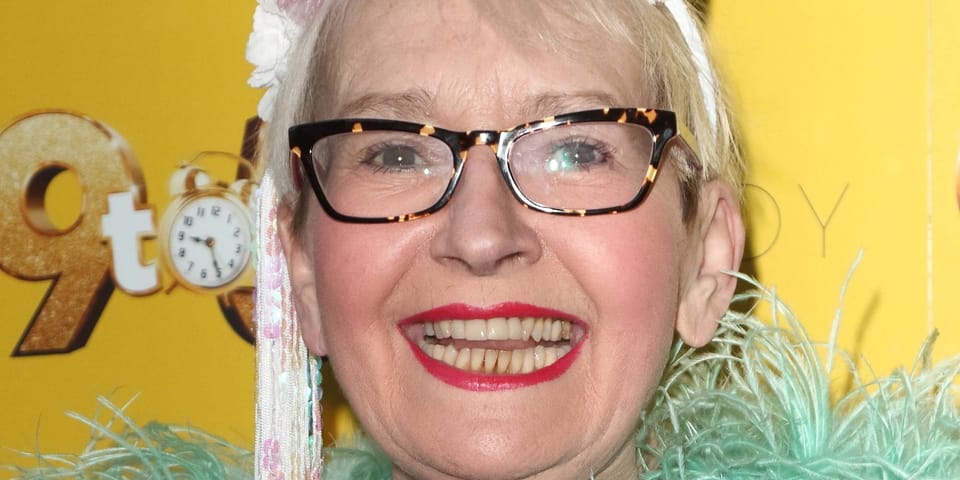
Writer and comedian Sandi Toksvig also described the figures as “shocking”, saying that while LGBTQ+ people were often invisible when growing up decades ago, “today’s young people deserve so much better”.
Just Like Us warned that bullying and unsupportive school or home environments can have long‑term consequences. In the short term, young people may experience poor mental health, lower confidence and reduced school attendance. In later life, the charity said, some LGBTQ+ people feel forced to hide their identity again, with around a quarter of LGBTQ+ young adults going back into the closet when entering the workplace.
The charity works with schools across the UK to provide training, resources and youth programmes aimed at tackling homophobia, biphobia and transphobia. Liz Soulby, PSHE lead at Charlton School, said the charity’s work had helped staff explain why anti‑LGBTQ+ language is harmful and had led to “a real difference” in school culture.
Scout, an LGBTQ+ young person supported by the charity, said growing up involved being bullied “for being different in every way imaginable”. Joining Just Like Us was described as life‑changing, providing understanding and community that had previously been missing.
Just Like Us said the latest data underlined the need for continued investment in inclusive education and anti‑bullying programmes. “There is still work to do to ensure all young people feel safe, supported and able to thrive at school,” the charity said.
Scene was founded in Brighton in 1993, at a time when news stories about Pride protests were considered radical.
Since then, Scene has remained proudly independent, building a platform for queer voices. Every subscription helps us to report on the stories that matter to LGBTQ+ people across the UK and beyond.
Your support funds our journalists and contributes to Pride Community Foundation’s grant-making and policy work.



Member discussion