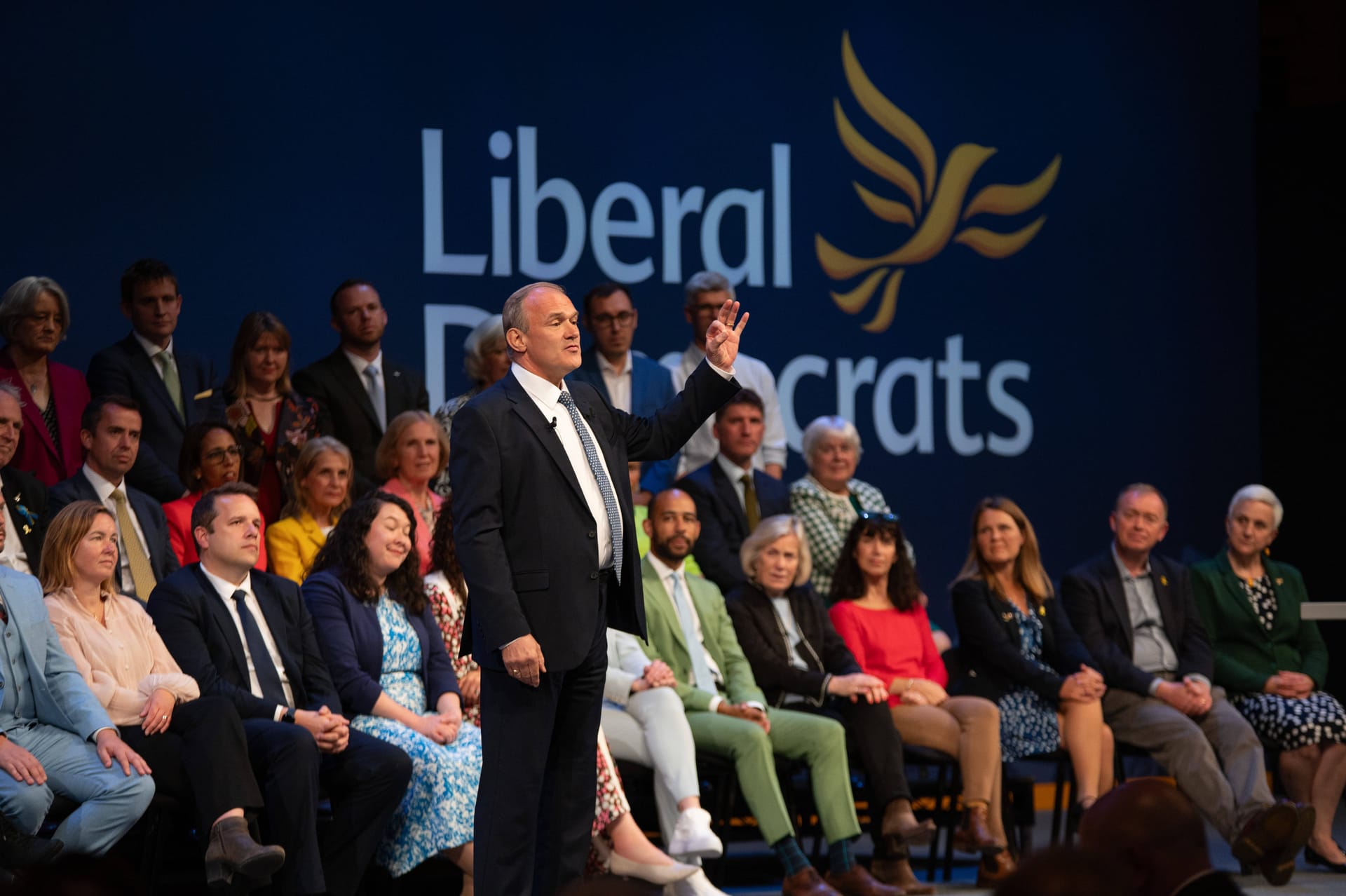
Conference season opens in Brighton today. Over the next four days the Liberal Democrats will fill the Brighton Centre and The Grand, and by the time the Conservatives wrap up in Birmingham on 7 October, every major party in Britain will have set out its stall for the year ahead.
For most people, conference season is background noise: speeches, lanyards and the odd viral fringe moment. For LGBTQ+ people, and trans people in particular, it deserves far closer attention. This is the first conference season since the Equality and Human Rights Commission's new statutory Code of Practice cleared Parliament, the first under a new Prime Minister, and it follows a year in which the rules on who counts, who gets a vote and who gets a seat have been rewritten inside the parties themselves.
What gets said on these stages, and just as importantly what gets left off the agenda, will shape and steer the debate on our rights well into 2027.
In April 2025, the Supreme Court ruled in For Women Scotland v The Scottish Ministers that "sex" in the Equality Act 2010 means biological sex, and that a Gender Recognition Certificate does not change that. The EHRC then spent a year rewriting its guidance.
On 21 May 2026, the Minister for Women and Equalities laid the updated Code of Practice before Parliament. It sets out that where services are single-sex, access should be based on biological sex. More than 100 MPs signed an early day motion tabled by Labour's Nadia Whittome calling for it to be rejected, but the motion was never debated and the 40-day scrutiny window closed on 9 July.
Subscribe to continue reading