

REVIEW: 'A Few Feet Away' (2026)
A Few Feet Away is a low-key but stern study of what happens when desire is fueled primarily by a digital app.


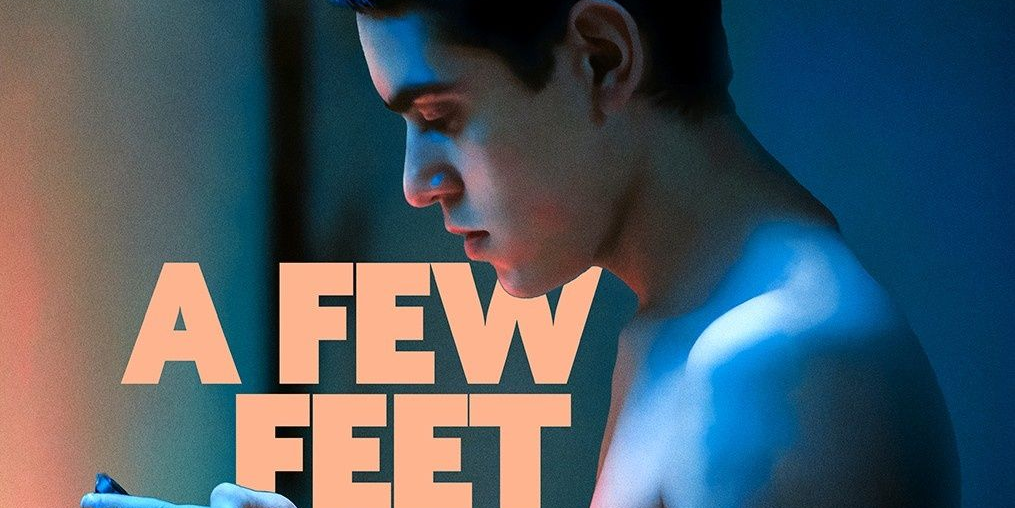
Hello cinema lovers. Director Tadeo Pestaño Caro's debut feature, A Few Feet Away, is a low-key but stern study of what happens when desire is fuelled primarily by a digital app. A timely tale in the modern world of Grindr and Scruff micro-aggressions and hook-ups.
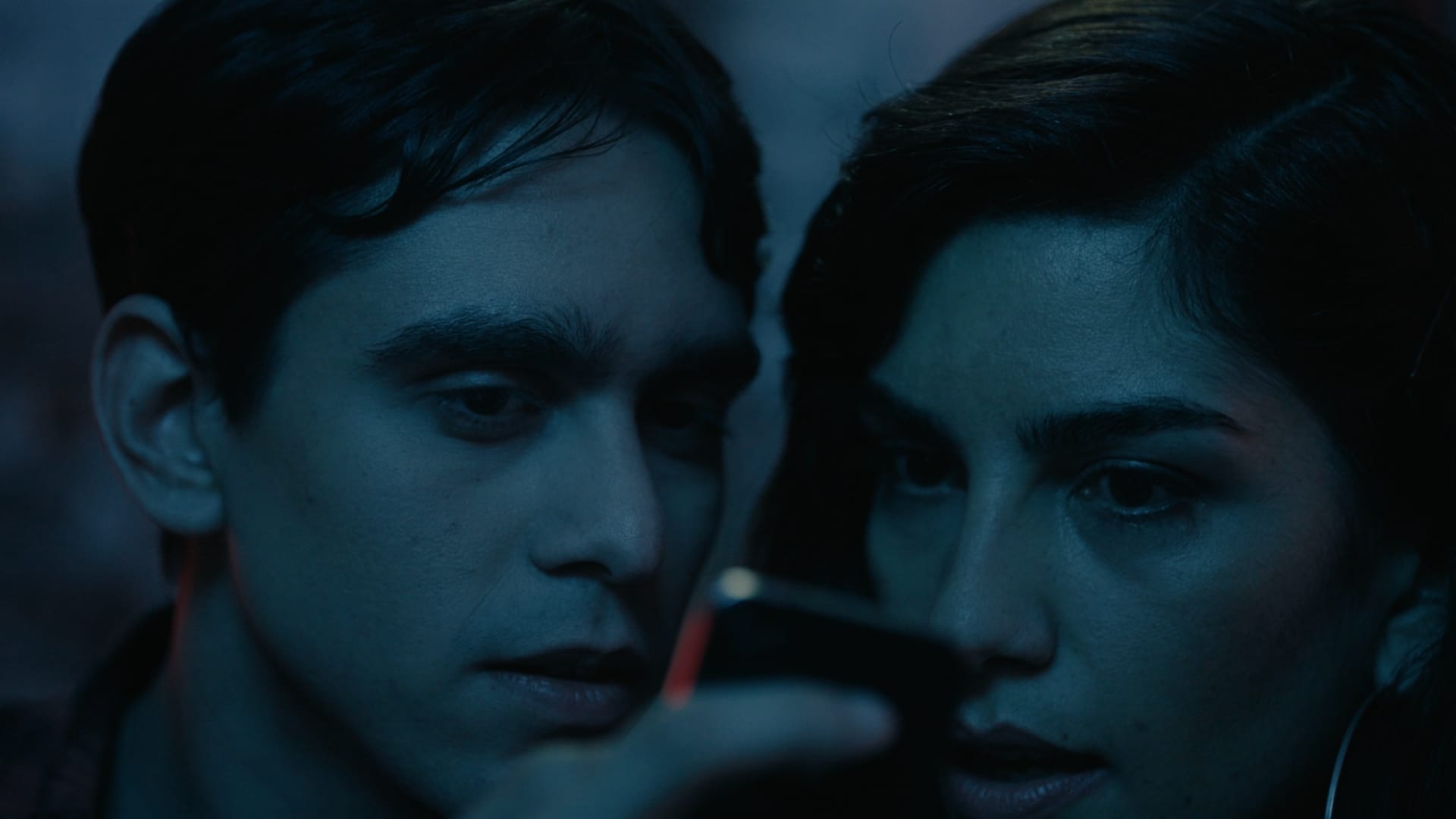
Santiago (Max Suen) is a listless and restless twenty-year-old working a dead-end job at a call centre in Buenos Aires. He spends virtually every available moment scrolling through Grindr in search of connection. Suen plays him with an almost dead-eyed passivity, which is an interesting artistic choice. Santiago does not know what he wants; is it sex? Is it love?
The director would have us believe that what he yearns for is a genuine connection. Spoiler alert, he's looking in the wrong place for that, and many queer people in the modern world will recognise this particular feeling of alienation.
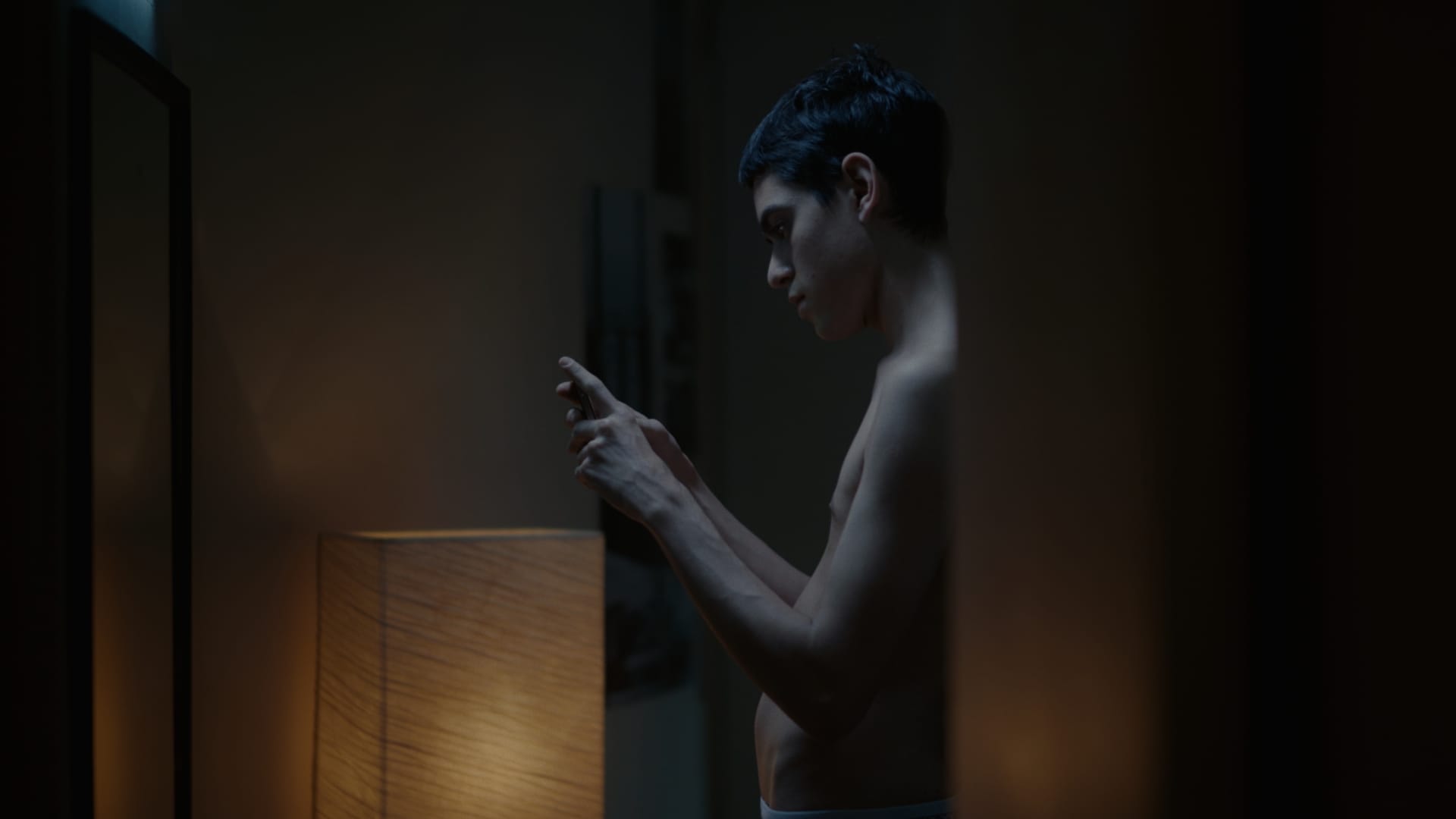
The film is mostly set around a single restless hot night. Santiago moves through prospective dates and hookups that go nowhere; he strives to get into a local gay club filled with hot guys, and he makes up fantasies about sexual escapades. Co-worker Karen (Jazmín Carballo) is the film's emotional touchstone. She is warm and entirely real. The big-sister dynamic between Karen and Santiago gives Suen's aloof performance the grounding it needs. When she tells Santiago that life is the song you dance rather than the people you make out with it feels like the message of the movie wrapped up in a nutshell.
Director Caro shoots Buenos Aires as a city alive with energy and chaos. He captures the tragedy of being surrounded by vibrant crowds while staring blankly at a screen. The pace of the movie is slow at times. The tedious nature of the hook-up app is related really well here, the endless waiting, the time-wasters, the dick pics and the profiles that go silent. All of it is put up on the screen with an honesty that feels like it comes from personal experience. Caro has spoken about drawing on his own life experiences while making this movie. It shows.
A sex club sequence in the final act is filmed with realism and without judgment. The hedonism and hornyness is all front and centre and is quite a pleasure to watch. Several handsome gay men are shown on screen writhing against each other in various sex acts. Movies like Shortbus and Rotting in the Sun showcase explicit sex and hook-up culture pretty well, and those elements are definitely echoed here.
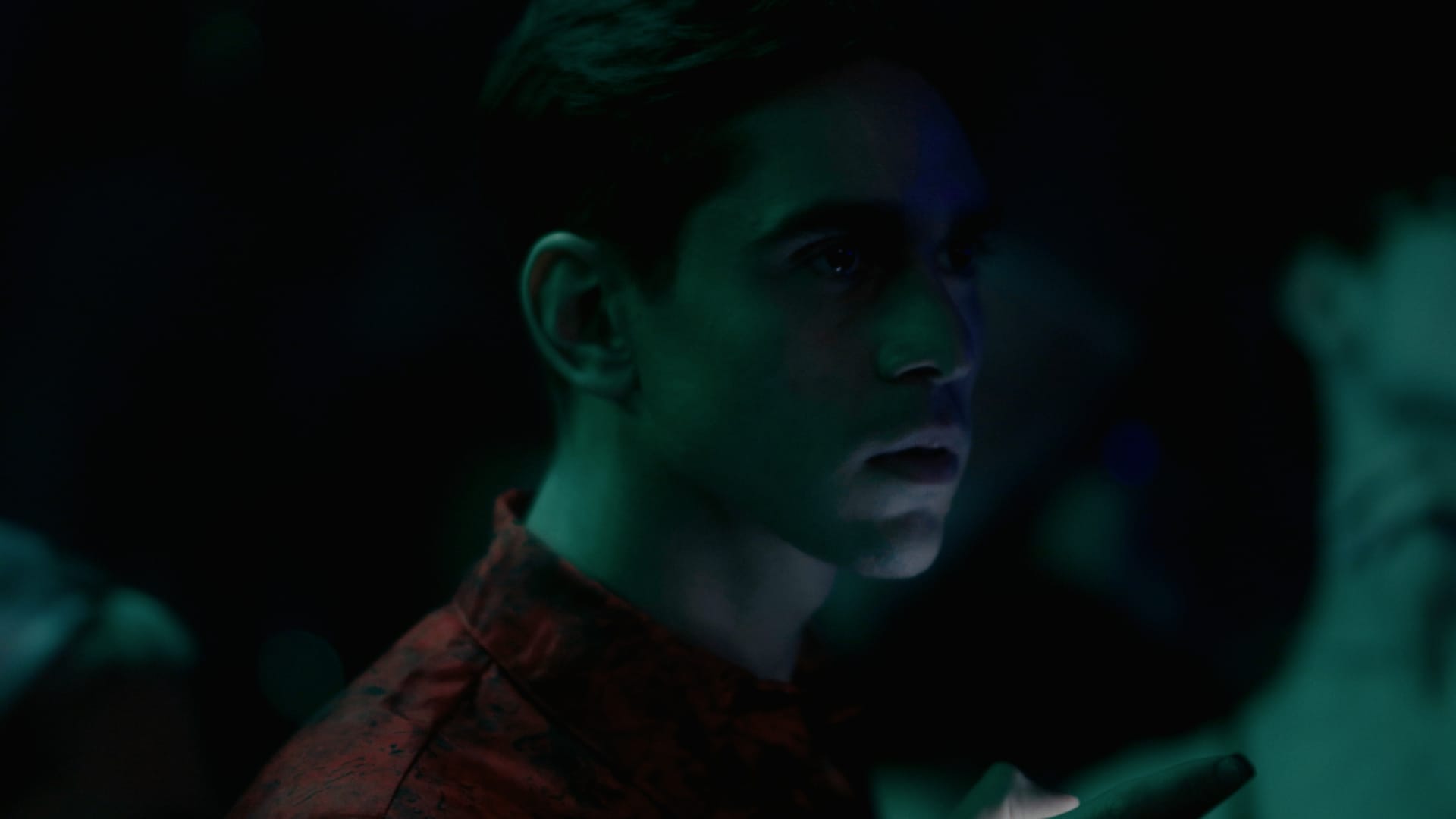
Santiago participates eagerly and seems to learn lessons from the experience. This is real flesh and real touch rather than an app image filled with slight promise. That distinct difference is shown without judgment but noted by the viewer, and is where the film makes another strong statement.
However, the film struggles in the script's failure to give Santiago an interior life beyond his addiction to the app. We are given relatively little knowledge of who Santiago is when the phone is put down. His self-sabotaging antics feel authentic, but he feels too aloof and self absorbed a character to make you care. It is only in the final sequences of the film, at the end of the night, when Santiago's internal desolation is revealed on screen, that this character feels more well-rounded. Maybe that's deliberate.
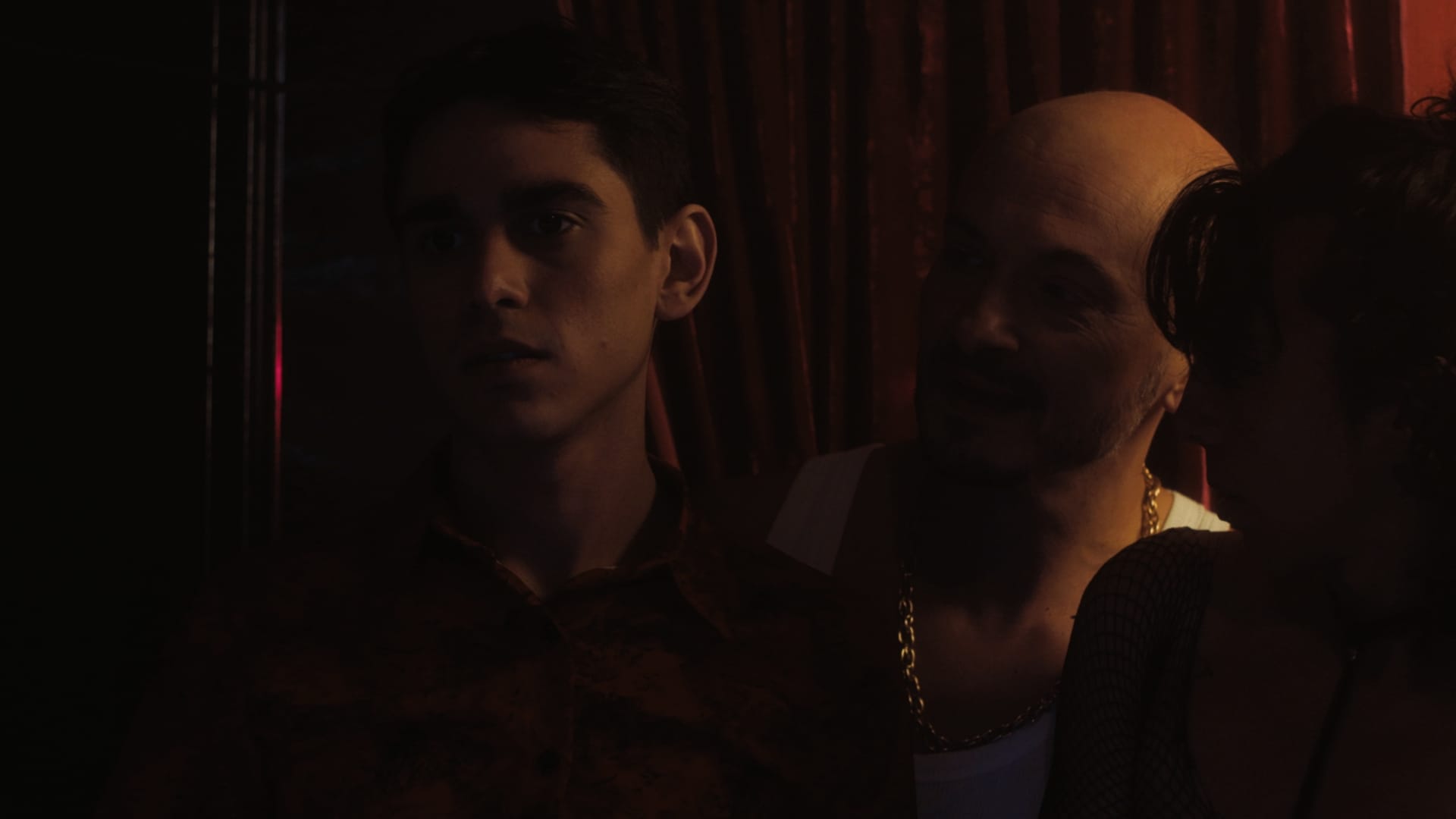
This is nonetheless a competent debut from a talented director. The Buenos Aires gay scene is shown with flair and affection. The film's central argument, that the conflict for many a young gay man today is how to build self-esteem when rejection is one tap away, feels timely and should be watched far and wide in the queer community. The dangers of addictive digital desire are never far away and can have a cost. A recommended but poignant movie.
A Few Feet Away is available now on Amazon Prime, Apple TV, Google Play, Tubi, and Pluto.
Scene was founded in Brighton in 1993, at a time when news stories about Pride protests were considered radical.
Since then, Scene has remained proudly independent, building a platform for queer voices. Every subscription helps us to report on the stories that matter to LGBTQ+ people across the UK and beyond.
Your support funds our journalists and contributes to Pride Community Foundation’s grant-making and policy work.
Member discussion