



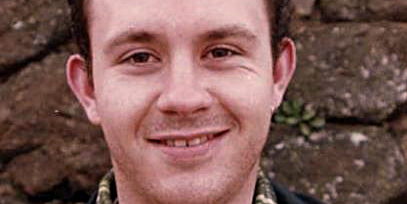
Plans to honour LGBTQ+ and trade union activist Mark Ashton have been delayed by Causeway Coast and Glens Borough Council, sparking criticism from councillors and concerns over possible political pressure behind the decision.
Born in Portrush, Northern Ireland, Ashton became one of the leading figures linking gay rights activism with the labour movement during the 1984-85 miners’ strike. After moving to London in the late 1970s, he helped found the Lesbians and Gays Support the Miners (LGSM) campaign, which raised money for striking mining families while challenging homophobia within wider society. He died from an AIDS-related illness in 1987, aged 26.
Councillors had been expected to approve a commemorative plaque for Portrush Town Hall at Tuesday’s Leisure and Development Committee meeting. Instead, members were told at the start of proceedings that the proposal had been removed from the agenda and deferred until June.
The move prompted frustration across parties, with several councillors saying they had received no advance warning or explanation.
Sinn Féin councillor Cara McShane criticised the handling of the issue, warning the council risked setting “a dangerous precedent” if agreed proposals could be delayed because of unspecified outside pressure.
Efforts to commemorate Ashton have been ongoing for years. In 2021, councillors backed a motion recognising his contribution to LGBTQ+ equality and workers’ rights, while a public petition supporting a memorial attracted almost 29,000 signatures.
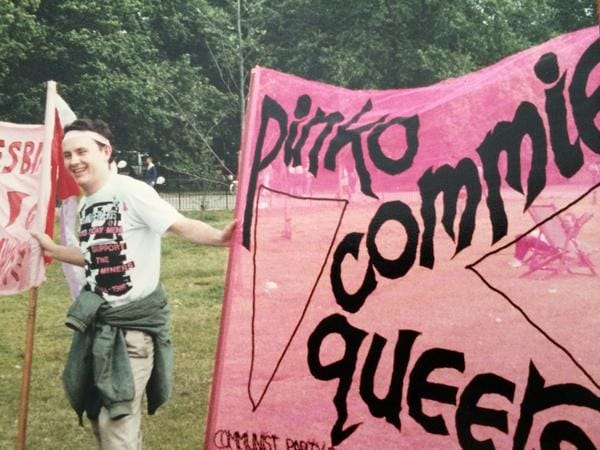
The council’s Memorial Advisory Group later considered proposals for both a plaque at Portrush Town Hall and a mural with a small memorial garden at Antrim Gardens.
Pat Mulvenna, the council’s director of leisure and development, said chief executive David Jackson had received “additional information” following the latest Advisory Group meeting and recommended postponing the decision while it was reviewed. Councillors were told the material could not yet be shared with committee members.
Alliance councillor Peter McCully and SDLP councillor Ashleen Schenning also expressed disappointment at the delay, while DUP councillor Darryl Wilson said members were “left guessing” about whether the issue related to legal concerns or external objections.
Ashton’s legacy later reached an international audience through the acclaimed 2014 film Pride, which chronicled the alliance between LGBTQ+ activists and striking miners during one of the most divisive periods in modern British history.
Scene was founded in Brighton in 1993, at a time when news stories about Pride protests were considered radical.
Since then, Scene has remained proudly independent, building a platform for queer voices. Every subscription helps us to report on the stories that matter to LGBTQ+ people across the UK and beyond.
Your support funds our journalists and contributes to Pride Community Foundation’s grant-making and policy work.




Member discussion