



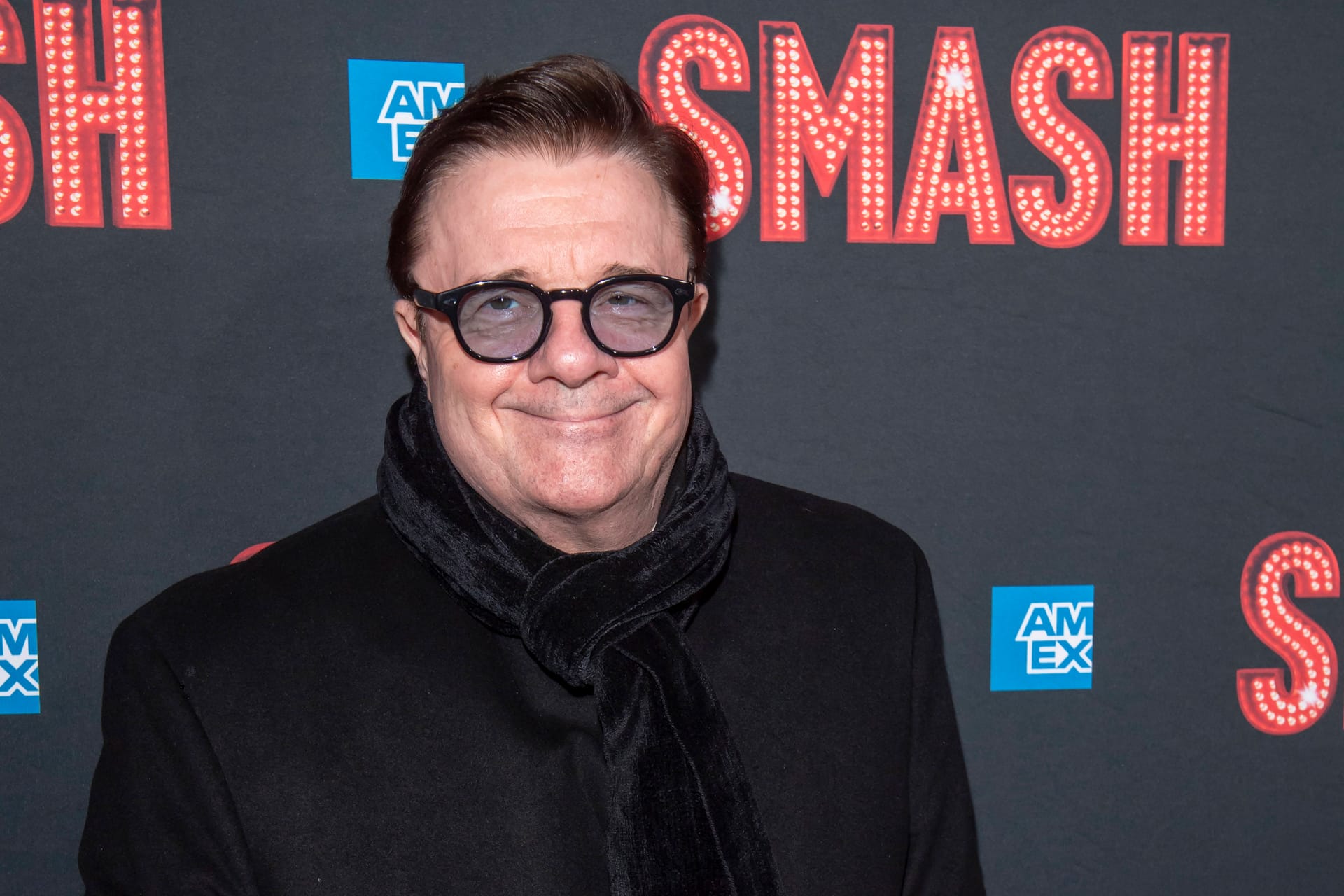
Nathan Lane has spoken candidly about his mother’s reaction when he first told her he was gay, recalling a moment he described as one of the most difficult of his life.
The Only Murders in the Building actor shared the story during an appearance on SiriusXM’s The Howard Stern Show this week, explaining that he came out to his mother shortly before leaving home to pursue an acting career in New York in the early 1980s.
Lane, now 70, said he sat his mother down after years of never having lied to her and told her that, contrary to what she believed, he had been seeing a man rather than a woman. He recalled her asking: “You mean you’re a homosexual?” - language he said he had never heard used in that way before .
According to Lane, his mother’s response was not said angrily, but with sadness. “She said, ‘I would rather you were dead,’” he told Stern. Lane said he replied with dark humour, quipping: “I knew you’d understand” .
Reflecting on the exchange, Lane stressed that he does not hold resentment towards his mother, saying her reaction should be understood in the context of the era and her background. “You have to understand this is another generation,” he said, adding that she was “not a sophisticated person in that way” .
He described the conversation as the hardest thing he had done at that point in his life but said he felt compelled to be honest before moving away. “I felt like I needed to do that. I needed to be honest with her,” he explained .
Lane also revealed that he had asked his mother not to tell his brothers until he was ready to do so himself, but that she immediately contacted them. One brother was described as understanding, while the other “didn’t seem to care” and assured Lane of his love .
The Emmy and Tony Award-winning actor did not come out publicly until 1999, three years after starring in The Birdcage alongside Robin Williams. He has previously spoken about the pressures faced by gay actors earlier in his career and the fear that openness could limit professional opportunities .
Scene was founded in Brighton in 1993, at a time when news stories about Pride protests were considered radical.
Since then, Scene has remained proudly independent, building a platform for queer voices. Every subscription helps us to report on the stories that matter to LGBTQ+ people across the UK and beyond.
Your support funds our journalists and contributes to Pride Community Foundation’s grant-making and policy work.
Member discussion