



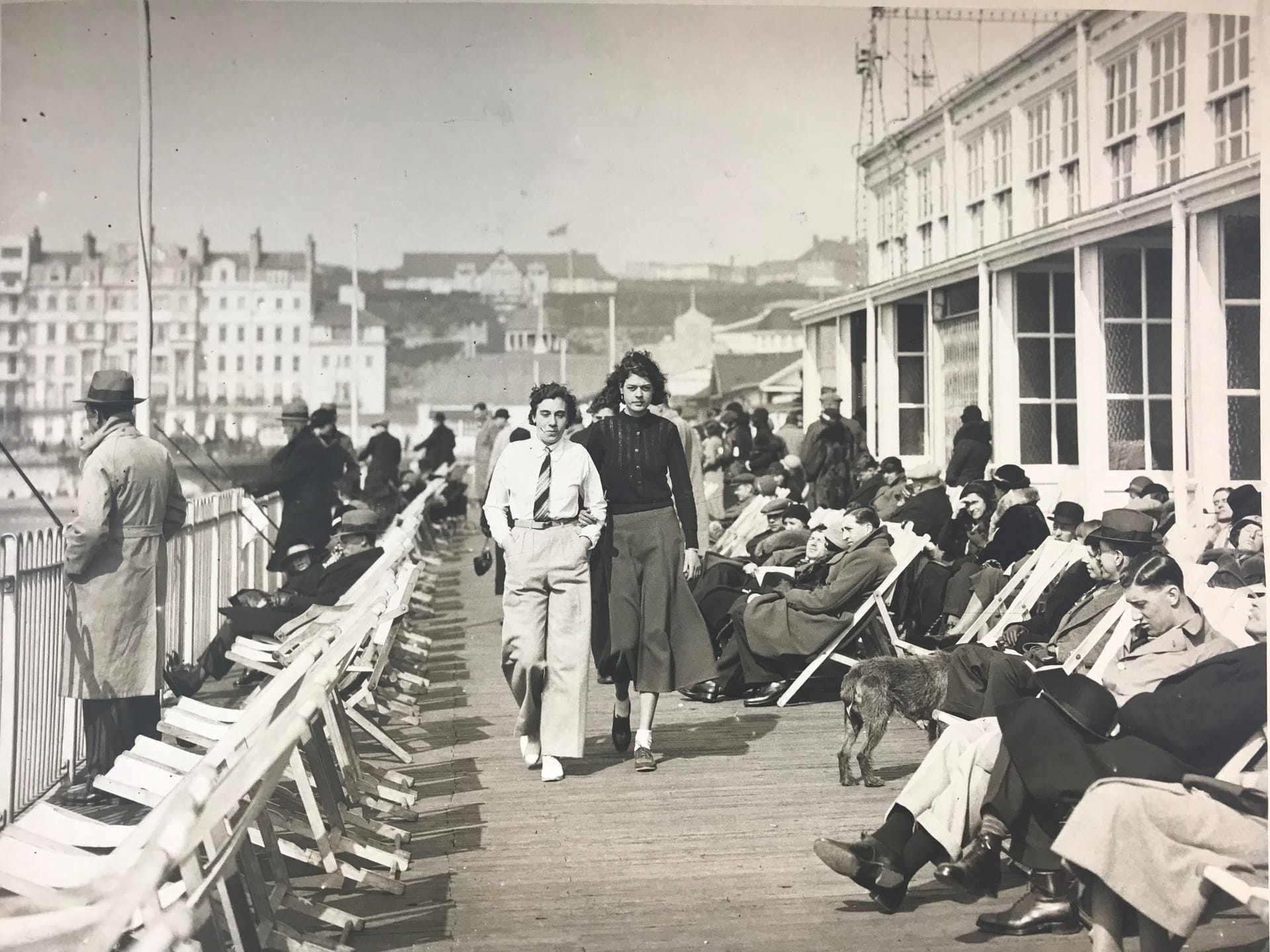
A new exhibition opening tomorrow will invite audiences to discover the LGBTQ+ history of South East England at Hastings Museum & Art Gallery from 25 April - 30 August 2026.
Presented across the summer in collaboration with arts organisation Home Live Art and Hastings Museum & Art Gallery, it features stories of joy, defiance, community and survival collected together by Hastings Queer History Collective.
Lemons, Laws & Secret Doors, which is supported by the National Lottery Heritage Fund, brings the research of Hastings’ LGBTQ+ past across the last two hundred years together with stories of today to life through fashion, sound, multimedia art and a major new commission by Southeast artist Emma Frankland.
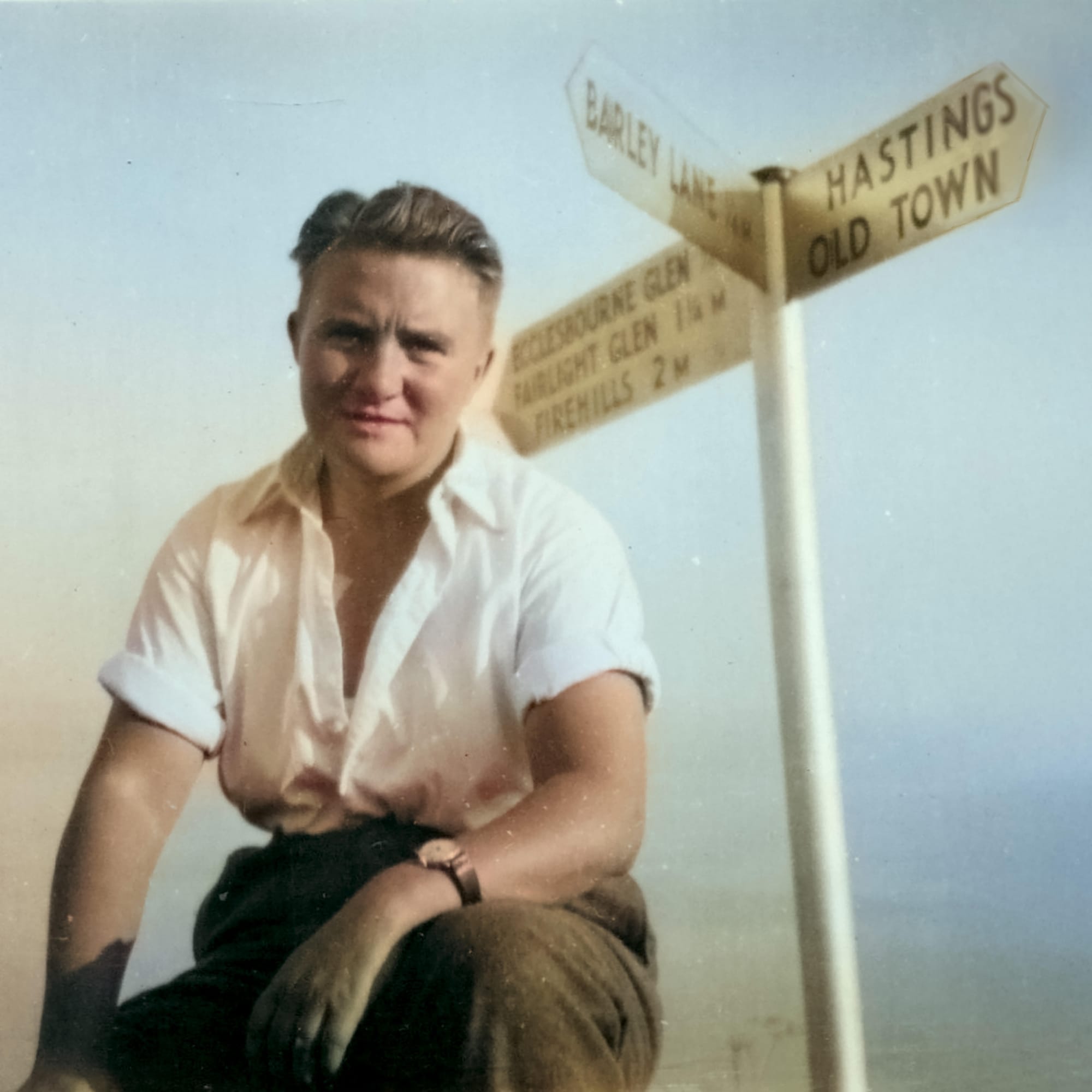
The grassroots approach to the exhibition by the History Collective presents a radical new way of thinking about the formal history of British seaside towns. It celebrates a community, which has had a long and thriving LGBTQ+ scene, who have thus far not been historically documented in the area, while connecting to wider LGBTQ+ movements across the south coast of the country.
From the recreation of a 1980s LGBTQ+ community disco night in the caves under Hastings, to documenting a queer Dungeons and Dragons community group in Hastings & St Leonards, the new exhibition reaches back as far as the 1800s and brings audiences up to present day.
Hastings Queer History Collective have painstakingly researched, curated, and created material representing the queer community in Hastings over a hundred years and the exhibition features art and archive from all corners of the town, featuring 1880s seaweed shops, Secret Doors across Hastings, gender play on the pier and the queer pheasant that broke the internet.
At its centre the exhibition will present a brand new artwork from award winning writer, theatre maker and artist Emma Frankland. The piece focuses on Emma’s fascination with sign writing, inspired by the history of political signs and slogans on placards around the world.
Home Live Art said: “This exhibition feels long overdue and deeply joyful. Working with the Queer History Collective has been central to this as it is their knowledge, research and lived experience that shapes it. Together we are bringing Hastings' queer voices and stories into view, because we need them now more than ever.”
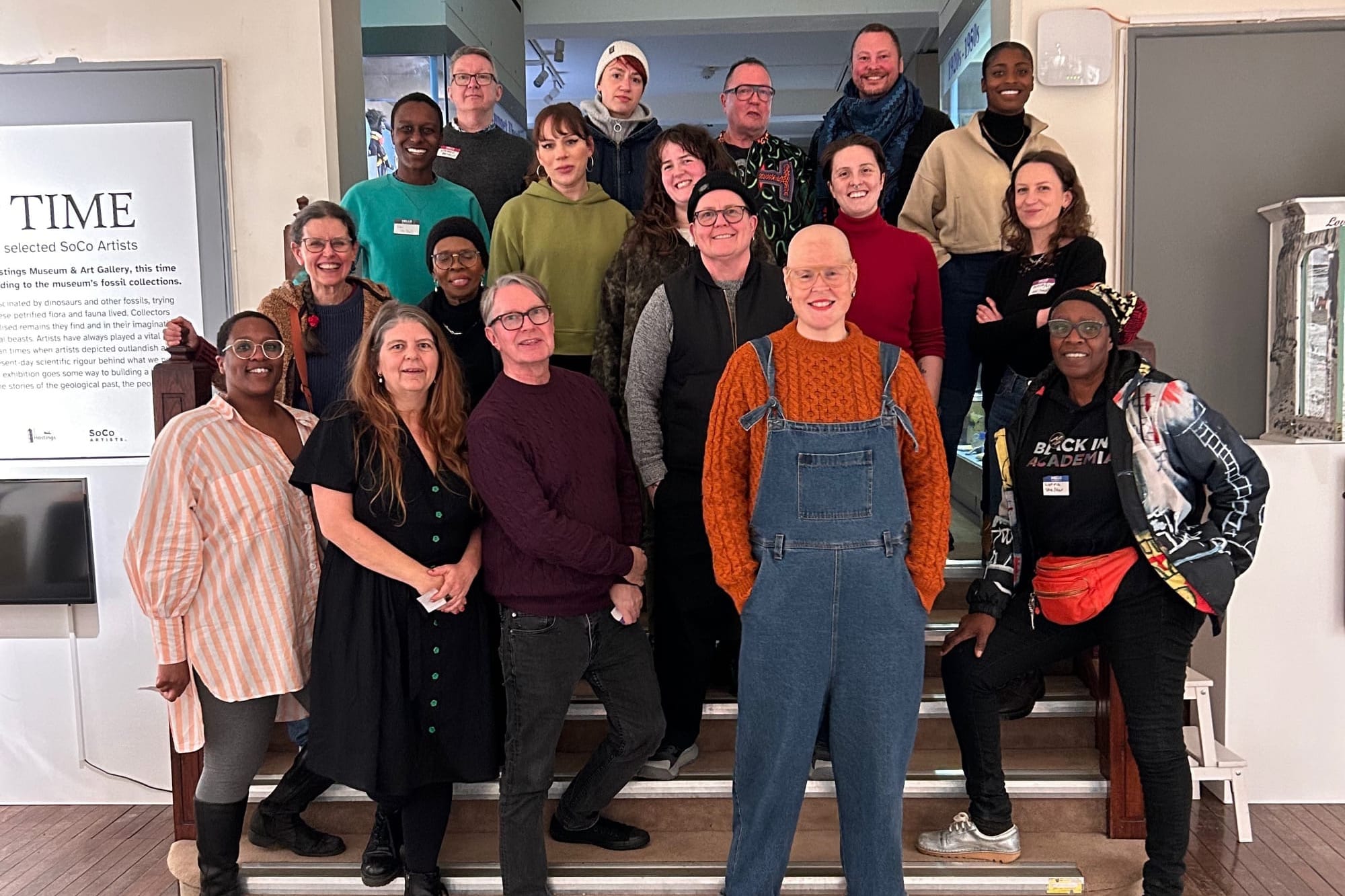
Hastings Queer History Collective said: “We are LGBTQ+ people living in this town today. What appears in this exhibition is shaped by our identities and perspectives. We are not separate from the queer heritage we foreground. We are part of it. There is no single way to be queer.
"There is no singular queer Hastings. What you encounter reflects both what has survived and what we have chosen to share. It gathers some of those lives together - not as the final word, but as one moment in an ongoing story of Hastings’ queer histories.”
Emma Franklin said: “I wanted to honour the energy and clarity that comes with the protest sign in this work and give something that is usually ephemeral a more permanent place as an artwork.. At a time when LGBTQ+ rights are, once again, under direct threat, the creation of this artwork brings together a powerful history of queer resistance. Emphasising in physical form the reality that ‘we have ALWAYS been here'.”
Alongside the exhibition, a programme of events – including panels, performances, a picnic and a party – will be announced soon.
Scene was founded in Brighton in 1993, at a time when news stories about Pride protests were considered radical.
Since then, Scene has remained proudly independent, building a platform for queer voices. Every subscription helps us to report on the stories that matter to LGBTQ+ people across the UK and beyond.
Your support funds our journalists and contributes to Pride Community Foundation’s grant-making and policy work.

Member discussion