



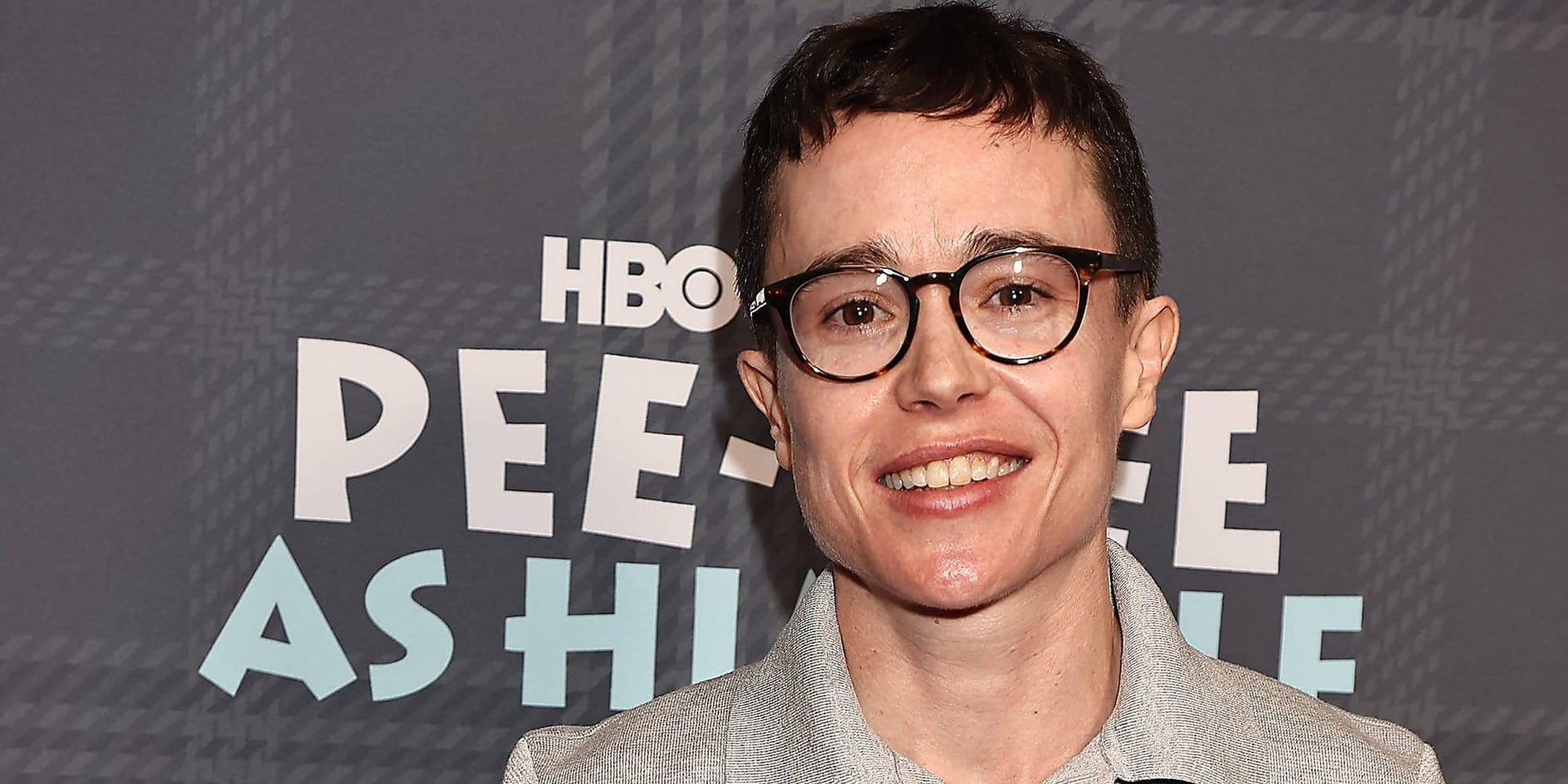
Elliot Page recently spoke about the deep sense of shame and loneliness he felt as a queer child, recalling a formative period marked by isolation and the belief that “something was wrong” with him.
The trans actor, best known for The Umbrella Academy and Juno, shared the reflections while promoting his new documentary, Second Nature, which he both narrates and co-produces. The film explores same-sex relationships and gender fluidity throughout the animal kingdom, challenging the long-held, often weaponised idea of what is considered “natural”.
Looking back on his childhood, Page said that growing up queer often meant feeling excluded and alone. “You feel like something’s wrong with you,” he explained, describing a persistent sense of disconnection that shaped his early years.
Page has since connected those feelings of shame to a broader lack of representation and visibility, arguing that silence and misinformation fuel internalised harm for LGBTQ+ people. “You’re carrying these bricks of shame,” he said, pointing to the consequences of censorship and erasure, not just in culture but in science and education as well.
The actor said Second Nature was a project he felt compelled to be part of because it counters narratives that frame queerness as an exception or deviation. Directed by filmmaker Drew Denny, the documentary highlights the prevalence of same-sex pairings and gender diversity across numerous animal species - realities that Page says are routinely omitted from mainstream biology lessons.
“For me, growing up as a queer kid, there was this feeling of being completely alone,” Page explained. “Of course, in retrospect, you weren’t - but it feels like that at the time. You feel excluded.”
Since coming out as trans in 2020, Page has become one of the most visible advocates for LGBTQ+ representation in film, television and beyond. He has spoken previously about the sense of peace he found in living openly, and says the response from young queer and trans people continues to affirm why visibility matters.
Page believes Second Nature can help challenge harmful assumptions by showing diversity as intrinsic to the natural world. “This idea that nature is organised around a cis-heteronormative system is completely false,” he said, adding that the film aims to spark wider conversations about how knowledge is shaped - and restricted.
Describing the documentary, Page said it was designed to be accessible and engaging as well as informative. “It’s entertaining, it’s funny, it’s beautifully made,” he said. “But it’s also incredibly valuable information - no matter who you are or how you identify.”
Scene was founded in Brighton in 1993, at a time when news stories about Pride protests were considered radical.
Since then, Scene has remained proudly independent, building a platform for queer voices. Every subscription helps us to report on the stories that matter to LGBTQ+ people across the UK and beyond.
Your support funds our journalists and contributes to Pride Community Foundation’s grant-making and policy work.


Member discussion