

Carlos Acosta’s Carmen @ Theatre Royal Brighton
Power. Possession. The radical act of belonging to no one. Acosta's Carmen is the show your body has been waiting for. Fearless, ferocious and almost indecently beautiful. Go. You'll feel it for days.

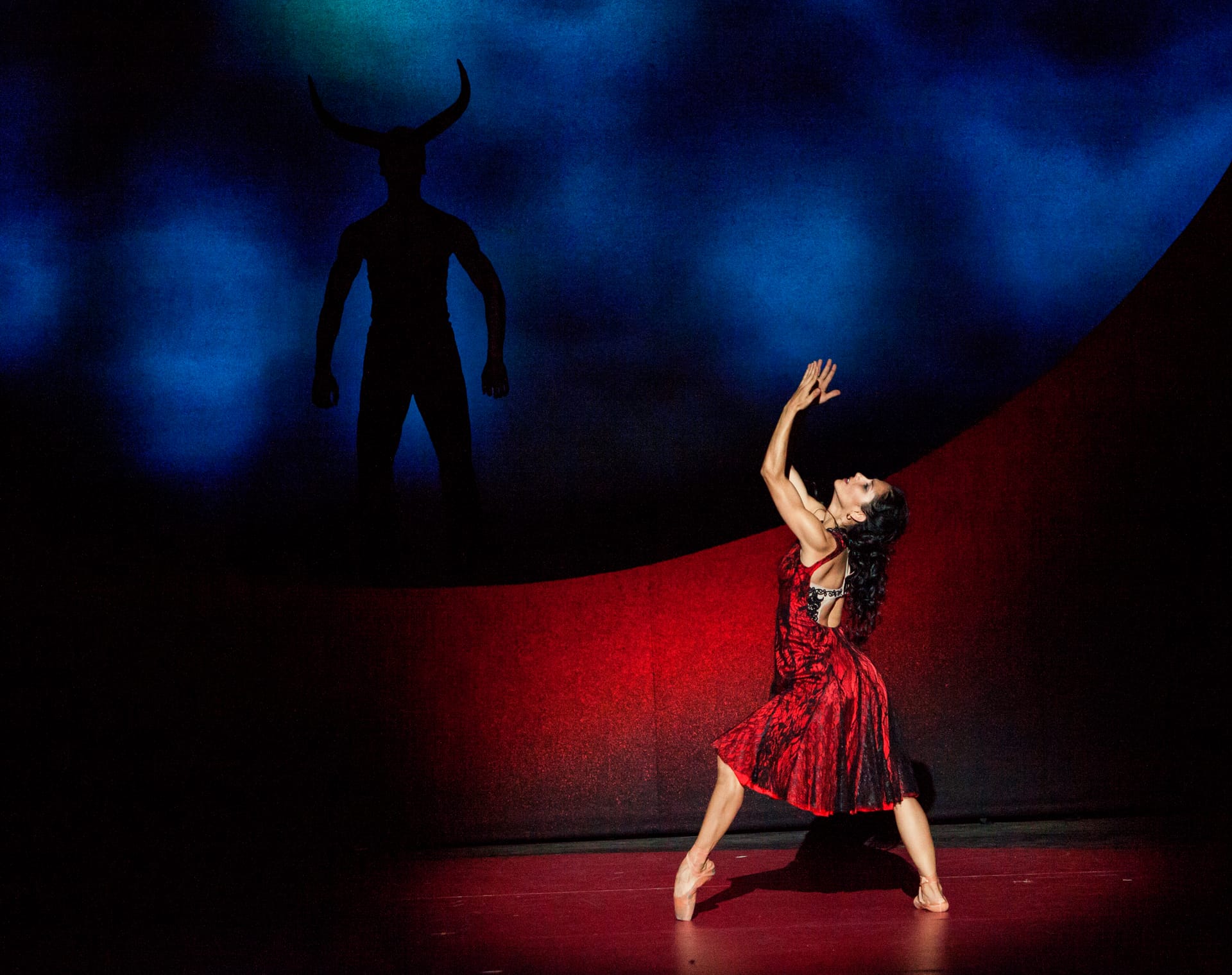
Some performances burrow under your skin and refuse to leave, and Carlos Acosta's Carmen is precisely that. From the first breath of music to the final devastating image, this is a production that seduces and knows exactly what it's doing.
Acosta has stripped away every vestige of operatic politeness and replaced it with something rawer, more carnal, more alive. This is a Carmen that understands desire as a force field, something that crackles between bodies before anyone has spoken a word. The Havana-born choreographer fuses classical ballet with contemporary movement, flamenco fire and the deep rhythmic pulse of Cuban folk tradition into a physical language that feels utterly its own.
And thrilling is barely the word. This an openly, gloriously erotic theatrical evening. Acosta's choreography does not gesture at desire, it inhabits it. Every reach, every press of one body against another, every suspended moment before a lift resolves carries an almost unbearable charge. The seduction sequences pulse with the kind of heat that makes you acutely aware of your own breathing. It is sensual in the deepest sense; speaking directly to the senses, to the body in the seat watching bodies on stage.
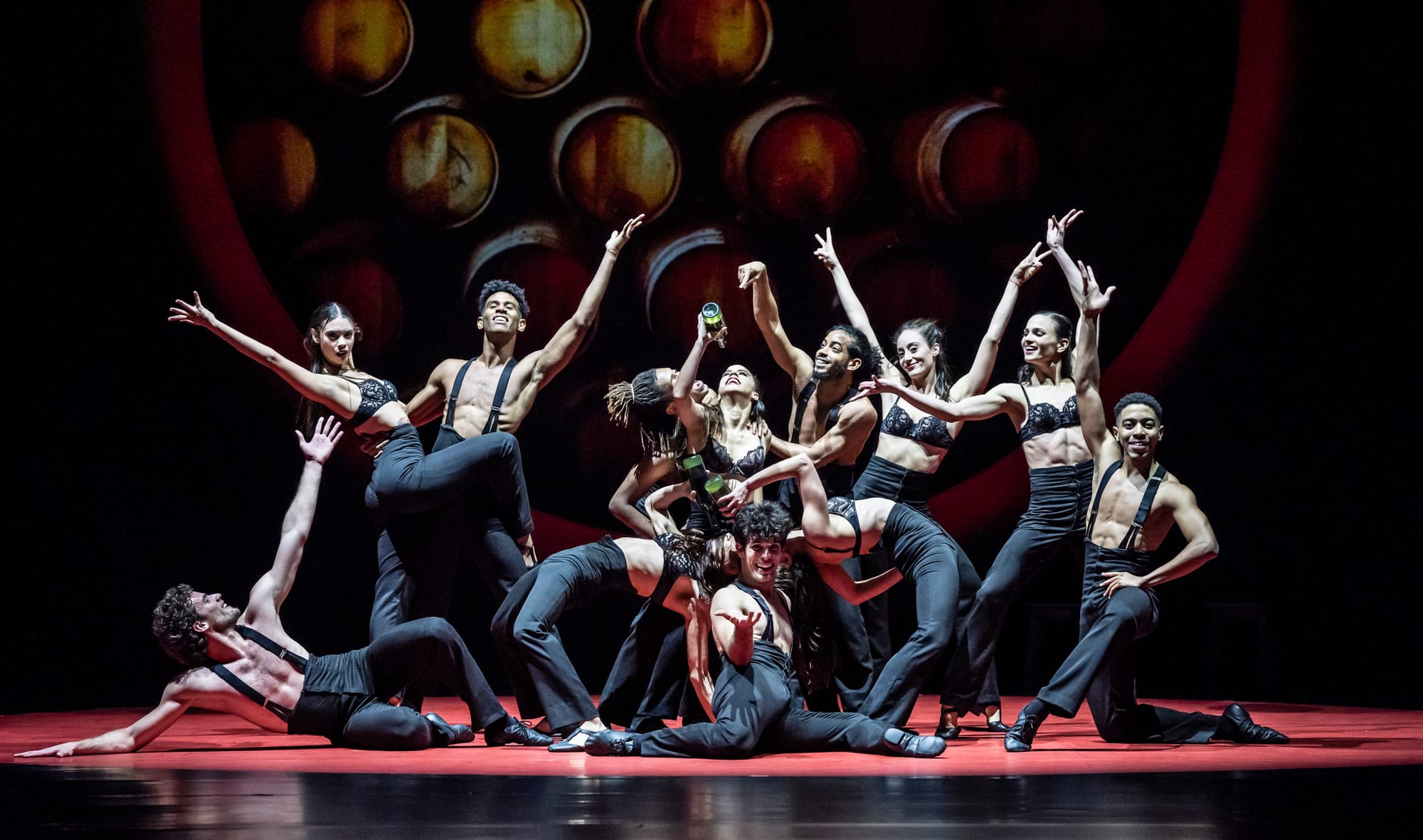
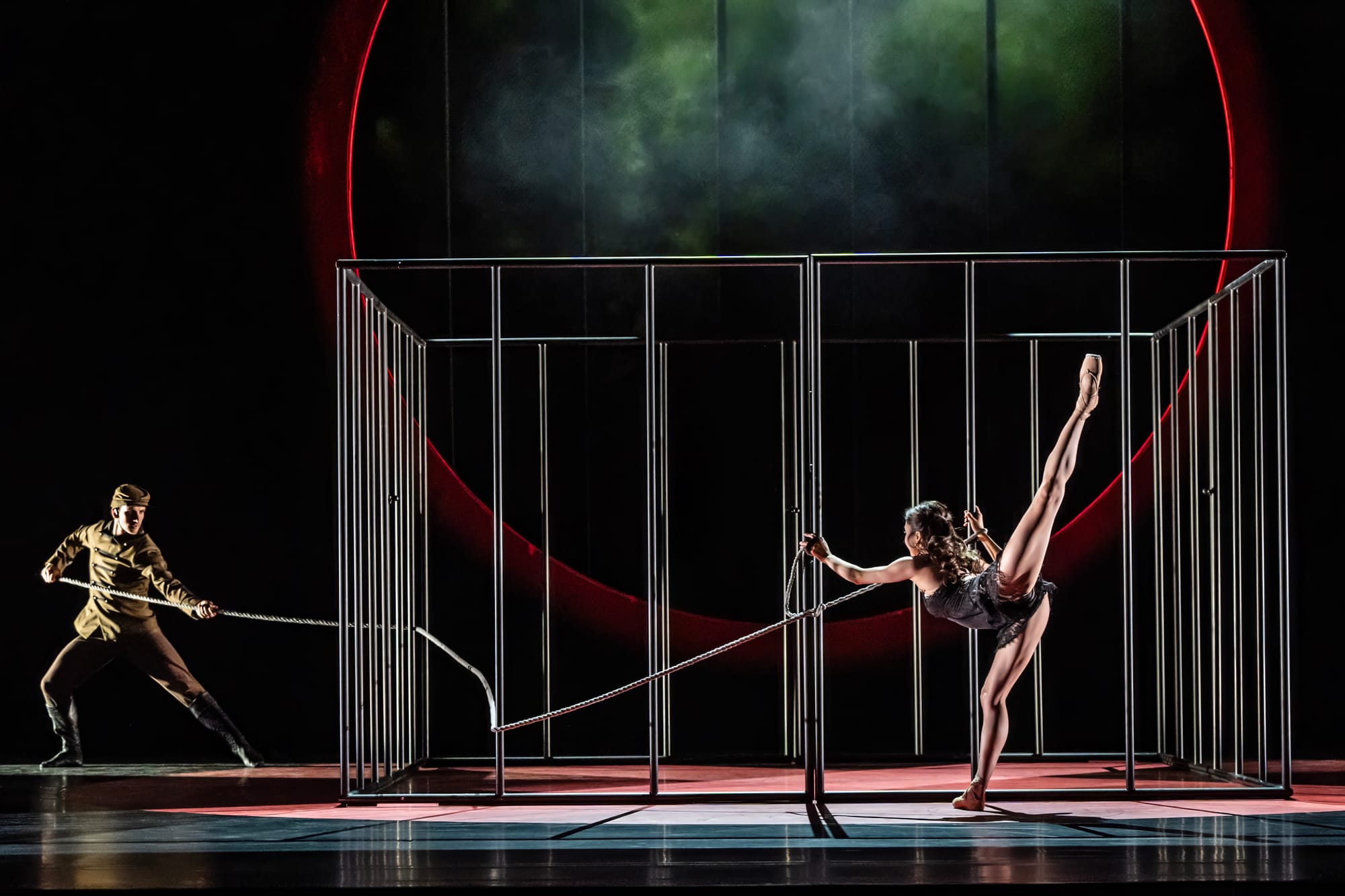
Power is the real subject here, and Acosta reads it with a queer eye. Who holds it, who surrenders it, how it passes between hands, these are the questions the choreography keeps asking. Carmen's radical insistence on self-possession, her refusal to be owned or contained, lands with a particular resonance when you understand freedom of the body as a political act. The metal bars at the heart of the set, transformed throughout into cage, boundary, seating, weapon, make that theme visible and architectural. Entrapment is not just Carmen's fate here. It is the condition of everyone on stage.
The Corps de ballet is, without exaggeration, a feast. Beautiful, technically sovereign, emotionally ferocious, these are dancers who understand that precision and abandon are the same thing at sufficient velocity. Such stunning dancing.
Alejandro Silva brings to Don José a luminous, almost heartbreaking innocence. He is a man who believes utterly in the story he is telling himself about love, and that belief makes his undoing genuinely devastating to witness. There is a tenderness to his infatuation that makes you want to warn him.
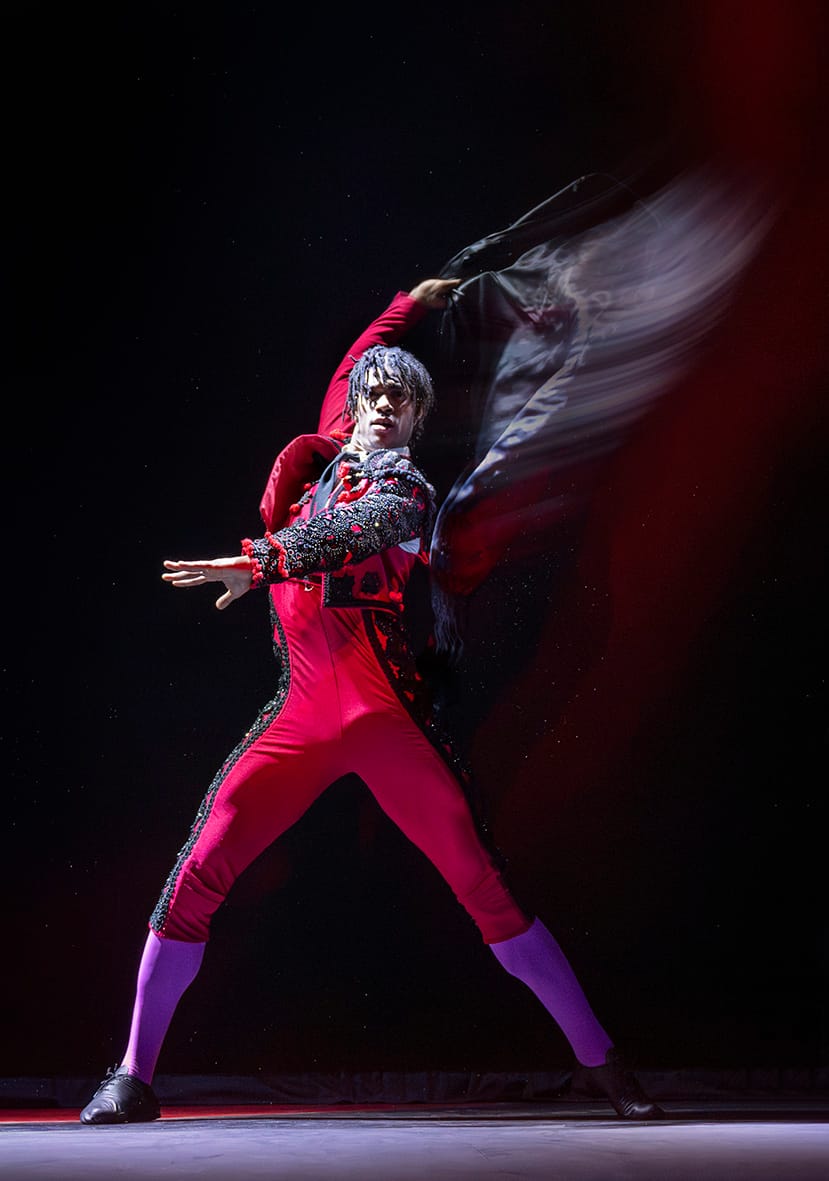
Paul Brando's Escamillo is something else entirely, all swagger and animal confidence, a man whose desire is worn on the outside of his skin like armour. His scenes carry a different erotic register to Silva's, more overtly performative, more aware of its own effect, and Brando makes that contrast sing. The way Acosta has choreographed the tension between these two men, each so differently in love with the same woman, is one of the production's quiet masteries.
Franc Issac's bull is a presence that lingers long after the curtain falls. Fierce, almost supernatural, moving through the production like fate made flesh, it gives the whole evening its mythic undertow, the sense that something ancient and unstoppable is always waiting just offstage.
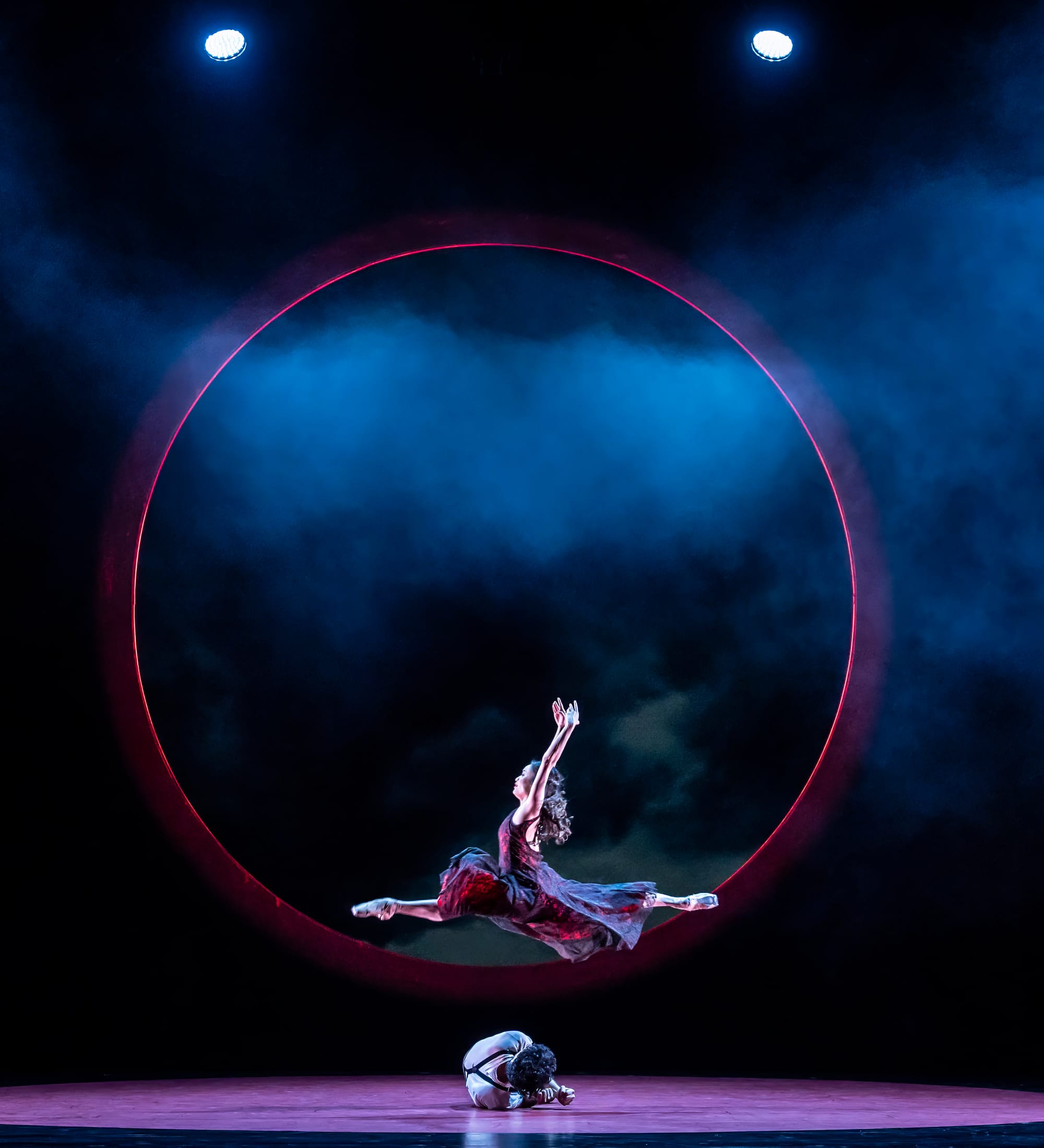
Amisaday Naara inhabits Carmen with the authority of an occupation. Her body is her instrument and her argument, fluid, precise and absolutely uncompromising. She does not play a woman who cannot be tamed. She plays a woman for whom the very concept of taming is faintly absurd. Her scenes with Silva & Brando crackle with that knowledge. She sees through José with a clarity that is tender and devastating at once, and in that prison sequence, rope in hand, she turns his desire back on him like a mirror.
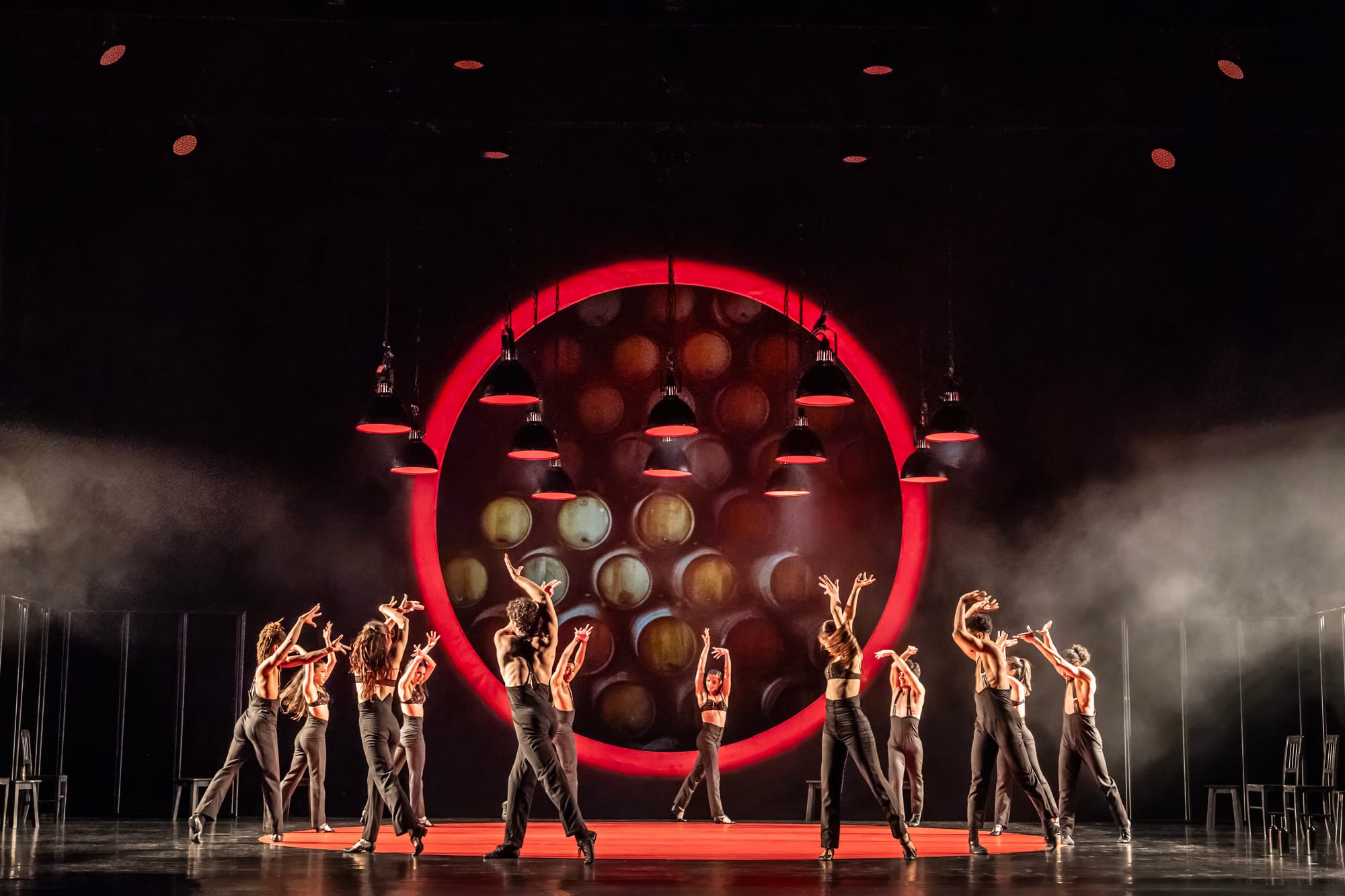
Rodion Shchedrin's orchestration of Bizet's score provides the evening its bloodstream, those Habanera and Toreador melodies, refracted, reimagined, given new colour by the production's Cuban sensibility, the vibraphone trembling deliciously. That the music carries this much emotional weight without a single sung note is its own kind of miracle. The audience were enthralled.
This is a Carmen for those of us who have always known that the most interesting stories are about desire, autonomy and the terrible cost of trying to be free. Go. Let it find you.
Until Sat 2nd May Theatre Royal Brighton.
Scene was founded in Brighton in 1993, at a time when news stories about Pride protests were considered radical.
Since then, Scene has remained proudly independent, building a platform for queer voices. Every subscription helps us to report on the stories that matter to LGBTQ+ people across the UK and beyond.
Your support funds our journalists and contributes to Pride Community Foundation’s grant-making and policy work.







Member discussion