

“The end of an era”: The Golden Cross, Wales' oldest gay bar, closes its doors
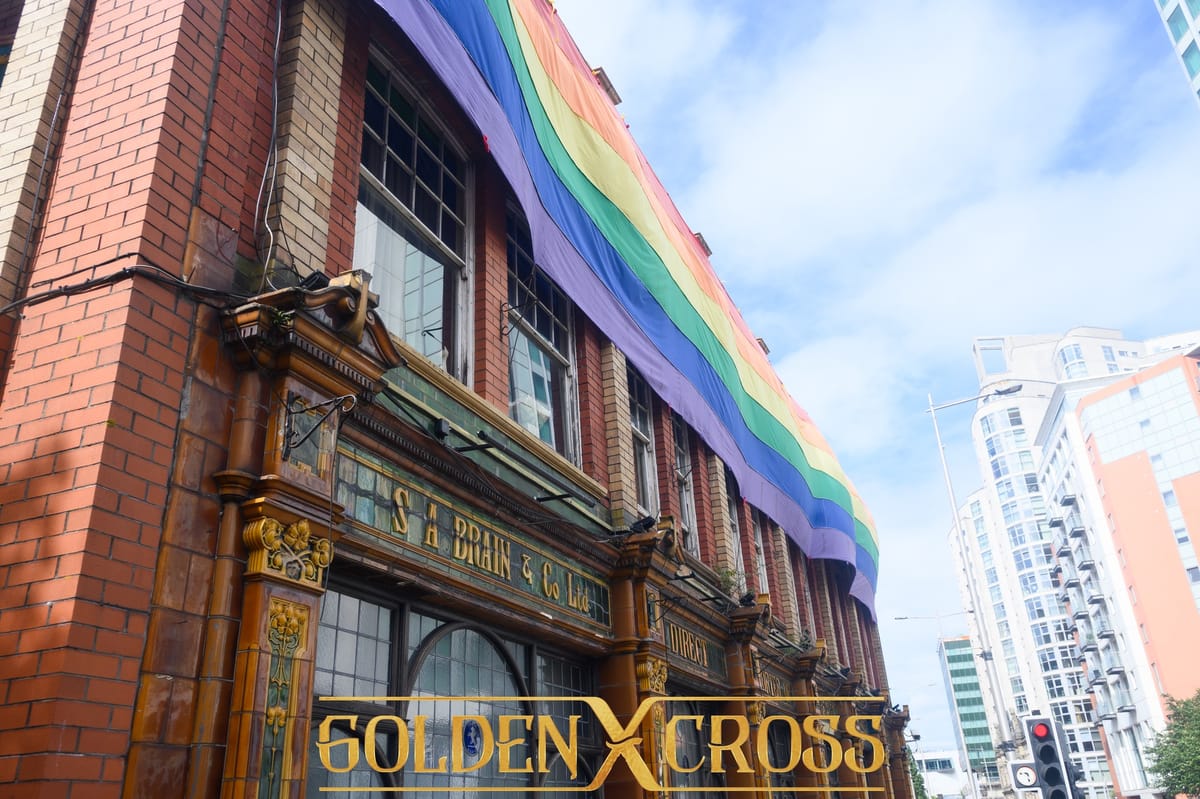
Cardiff LGBTQ+ venue, The Golden Cross, has closed its doors under its current management, marking the end of an era for Wales' oldest gay bar.
The Grade‑II listed pub on Hayes Bridge Road held its final night on Saturday 3 January. Established in 1863 and operating as an LGBTQ+ venue since the 1970s, The Golden Cross has become a cornerstone of Cardiff’s queer community. It has hosted drag performances, live music and community gatherings, providing a safe and vibrant space where countless individuals have celebrated milestones and forged lifelong friendships.
Manager Robbie Burnett, who has overseen the venue since 2015, expressed profound emotion about the closure. Speaking ahead of the final night, he described it as “the end of an era” and paid tribute to founders Darren and Gareth for their vision in sustaining the pub for nearly a century. He also reflected on the venue’s journey, recalling how it had weathered a global pandemic, the death of a monarch and the coronation of a new king.

Long‑standing performer and activist Rob Keetch, known to many through his drag persona Dr Beverly Ballcrusher, shared his own reflection: “Tonight sees the Golden Cross close its doors for the last time under its current management with no guarantee for its future. It’s been part of the heart of the community for so very long”.
Although the current team is stepping away, there is hope that the venue will not vanish entirely. The pub is owned by Marston’s, which is reportedly seeking new management to take over. No official announcement has been made regarding incoming operators, and it remains uncertain whether long‑time staff will remain in place.
The UK has witnessed a dramatic decline in LGBTQ+ venues over the past two decades. In London alone, numbers have fallen from 125 in 2006 to just around 60 today - a loss of more than half. Research by UCL shows a 58% drop between 2006 and 2017, with closures continuing due to rising rents, gentrification, and the lasting impact of the pandemic.
Nationally, the picture is similar: nearly half of LGBTQ+ people report fewer spaces in their local area compared to three years ago. This trend raises concerns about the erosion of safe, inclusive environments that have historically served as vital hubs for community and culture.
Support independent LGBTQ+ journalism
Scene was founded in Brighton in 1993, at a time when news stories about Pride protests were considered radical. Since then, Scene has remained proudly independent, building a platform for queer voices. Every subscription helps us to report on the stories that matter to LGBTQ+ people across the UK and beyond.
Your support funds our journalists and contributes to Pride Community Foundation’s grant-making and policy work.
Subscribe today

Comments ()