

Terf Watch Brighton challenges group after trans women excluded from trauma‑healing classes
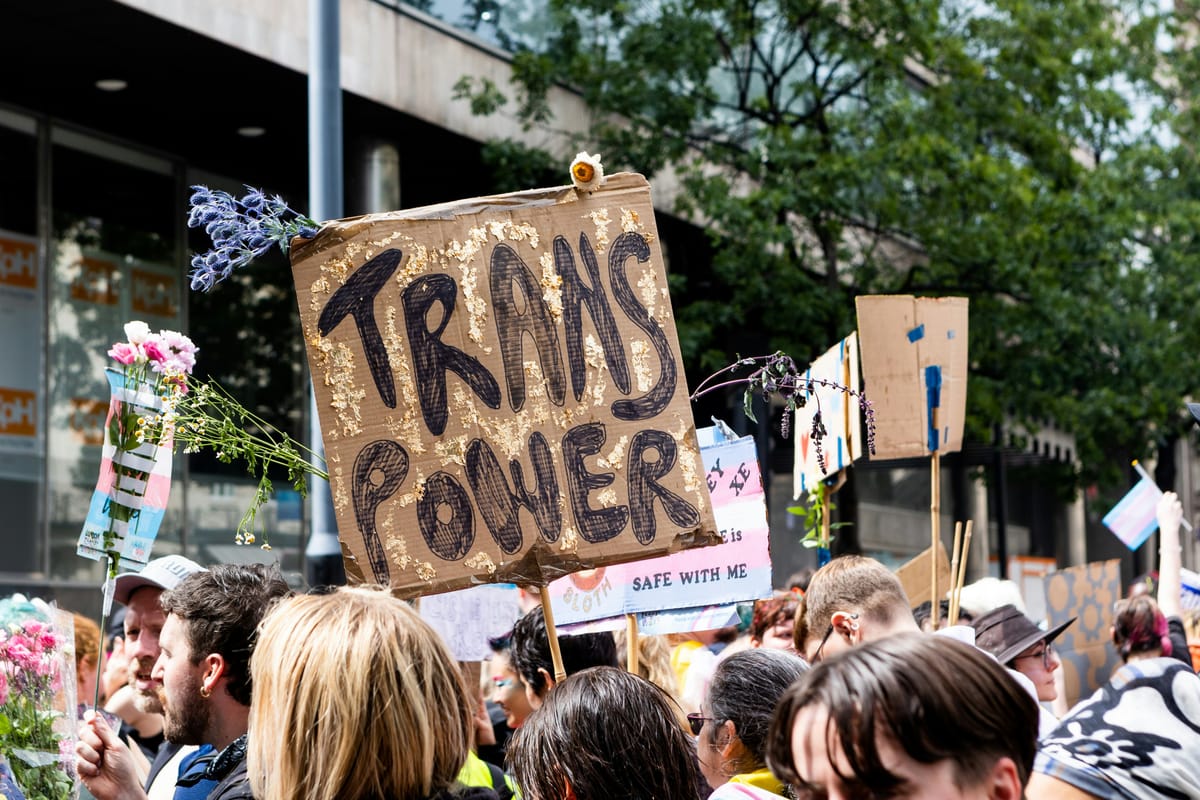
A dispute has erupted in Brighton after several venues reportedly withdrew from hosting trauma‑healing classes that excluded trans women.
Rosie Hayes, co‑founder of the group Sisters Heal, told the BBC that multiple venues cancelled or declined to host her organisation’s sessions, which were restricted to what she described as “biological women only”. She claimed the decisions followed what she called “intense harassment” from “trans activists”.
But Terf Watch Brighton - a grassroots collective that monitors and reports on anti‑trans activity - rejected the suggestion of coordinated pressure. The group said it had neither contacted the venues nor publicised the events on its platforms, though it had previously reported on other activities linked to Sisters Heal.
Hayes said the class restrictions were motivated by the needs of survivors who “cannot heal in a mixed‑sex space”, adding that some women experience an involuntary trauma response to what she described as “male bodies, male voices, male presence”. She argued that including trans women would lead some attendees to “self‑exclude”, limiting their access to support.
However, Terf Watch Brighton said the justification for excluding trans women was both discriminatory and unfounded. It described Sisters Heal’s approach as “deliberately divisive”, arguing that such practices contribute to pushing trans women “out of society”. The group added that the supposed need for “single‑sex services” as defined by Hayes was “arbitrary, unevidenced, and based on prejudiced myths about how gender operates in society”.
One venue told the BBC it halted the event due to the conflict that had erupted on “both sides”, saying the situation had become too fraught to continue hosting.
Hayes insisted that Sisters Heal was “not transphobic”, noting that trans men were allowed to attend sessions on the basis that they may have experienced “female trauma”, such as miscarriage or stillbirth. Trans women, however, remained excluded - a distinction many LGBTQ+ advocates say reinforces harmful stereotypes about gender, biology and safety.
Terf Watch Brighton countered that framing trans women as a threat is both inaccurate and damaging, especially in a city known for its strong LGBTQ+ community. The organisation highlighted that trans‑inclusive trauma services already operate successfully across the UK, with safeguarding policies that support all survivors without resorting to exclusion.
Support independent LGBTQ+ journalism
Scene was founded in Brighton in 1993, at a time when news stories about Pride protests were considered radical. Since then, Scene has remained proudly independent, building a platform for queer voices. Every subscription helps us to report on the stories that matter to LGBTQ+ people across the UK and beyond.
Your support funds our journalists and contributes to Pride Community Foundation’s grant-making and policy work.
Subscribe today
Comments ()