

REVIEW: The Watermelon Woman (1996)
Director Cheryl Dunye made The Watermelon Woman on a very tight budget. She wrote it, directed it and starred in it. Duyne was the first black dyke director to produce a feature film. That's incredibly impressive.


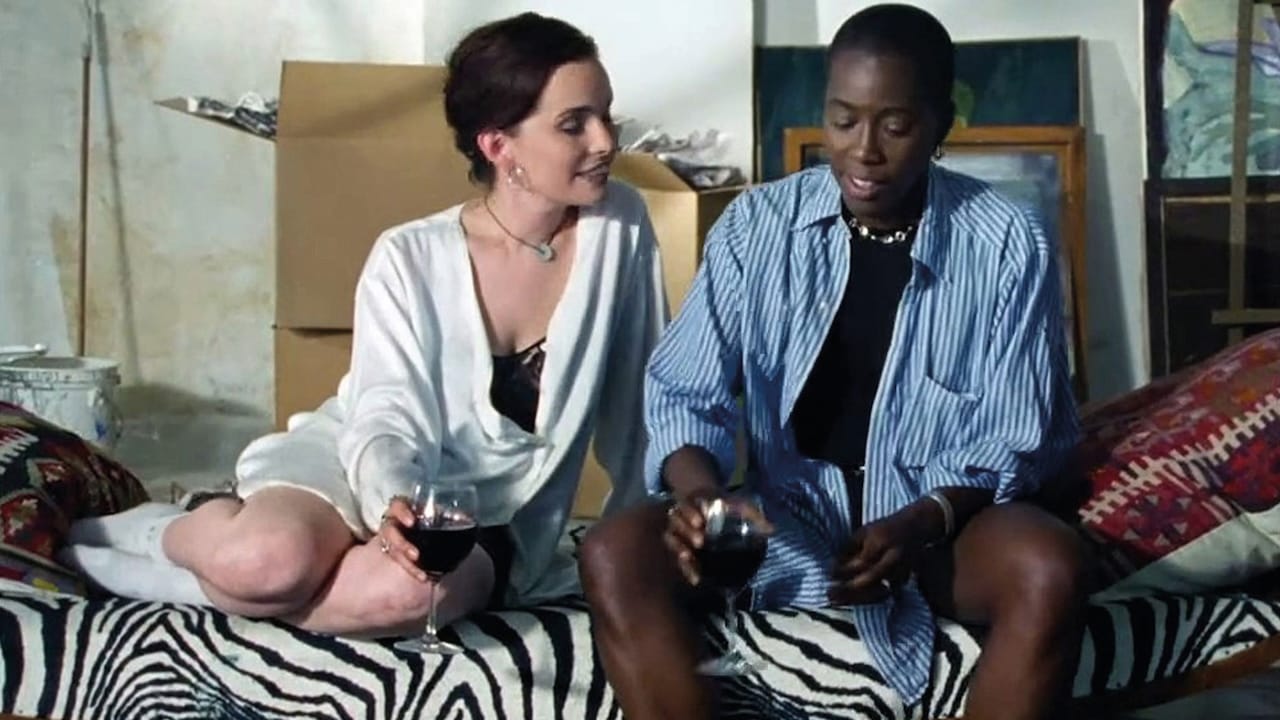
Hello, cinema lovers. History doesn't always wait for better funding. Director Cheryl Dunye made The Watermelon Woman on a very tight budget. She wrote it, directed it and starred in it. Duyne was the first Black dyke director to produce a feature film. That's incredibly impressive, and this movie is a key piece of work that comes with a huge reputation. deservedly so.
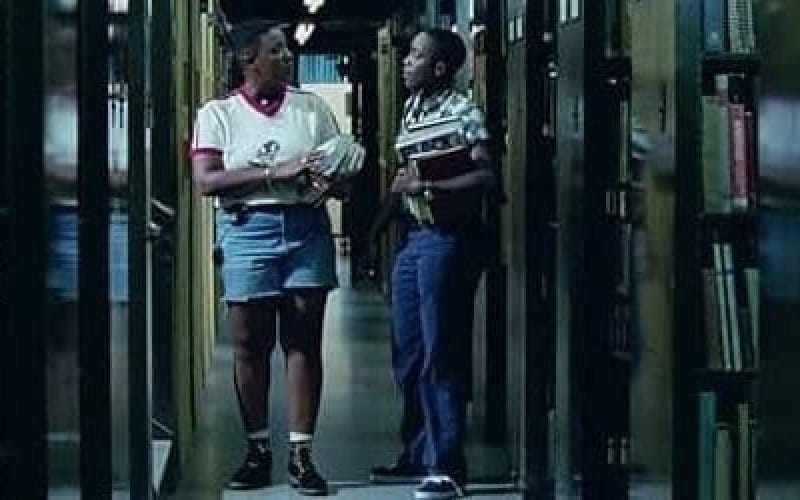
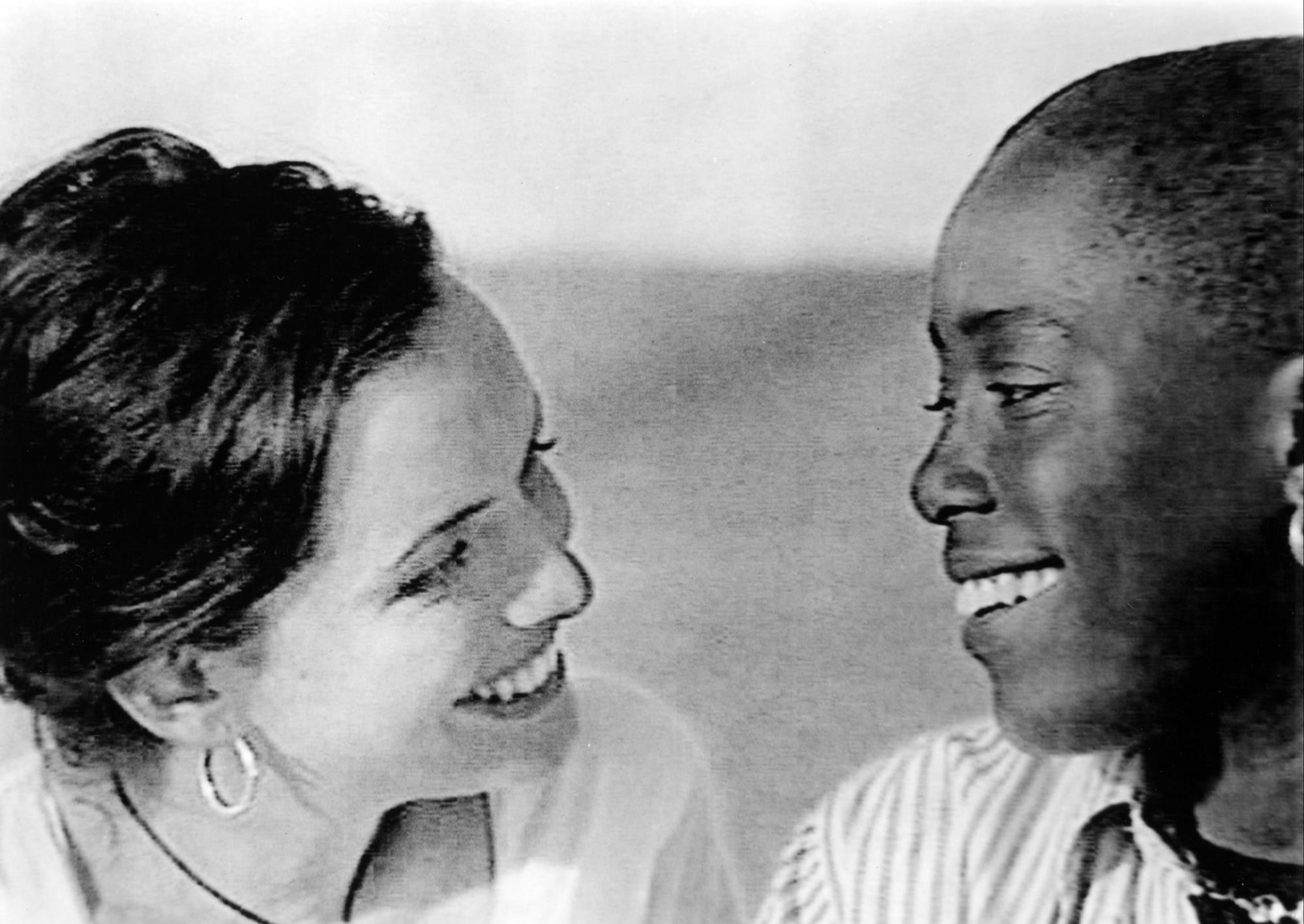
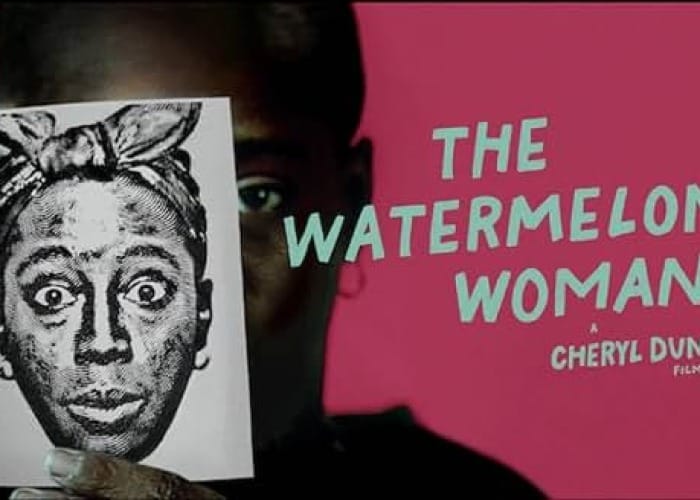
Dunye plays Cheryl, a cute, butch 25-year-old video store worker from Philadelphia who becomes enamoured with a beautiful black actress from the 1930s credited only as "The Watermelon Woman." She's given no name and no background. She's just a dated caricature of a woman with no identity, a "Black Mammy" cliche.
Cheryl resolves to solve the mystery of this fascinating person. Alongside this quest is a romance storyline with Diana (Guinevere Turner), a white fem customer in her shop. There's also a close friendship with co-worker and best friend Tamara that strains as the story progresses.
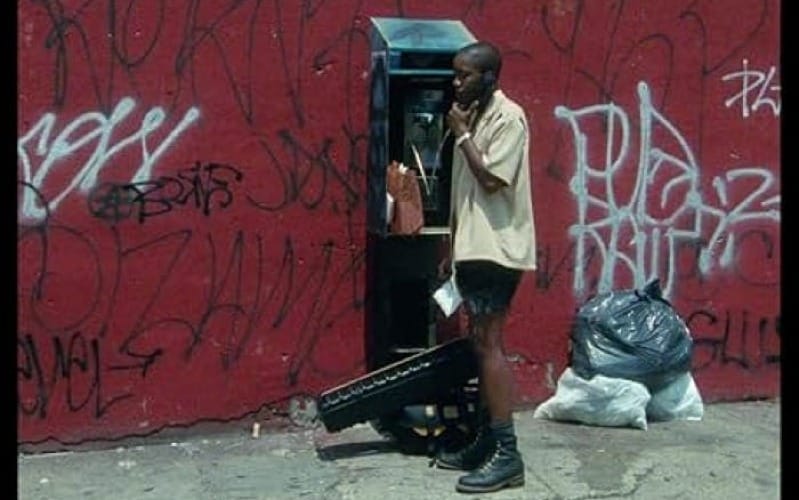
The movie follows a mockumentary format. Handheld cameras and talking heads tell the tale well. Fae Richards, "the watermelon woman" is the centre of the story and Cheryl's obsession. The made-up photographs of Fae were created for the film by photographer Zoe Leonard. Real archival material of this type didn't exist because black queer artists were mostly excluded from the public record. Dunye decides to invent a fabricated history that should have always existed.
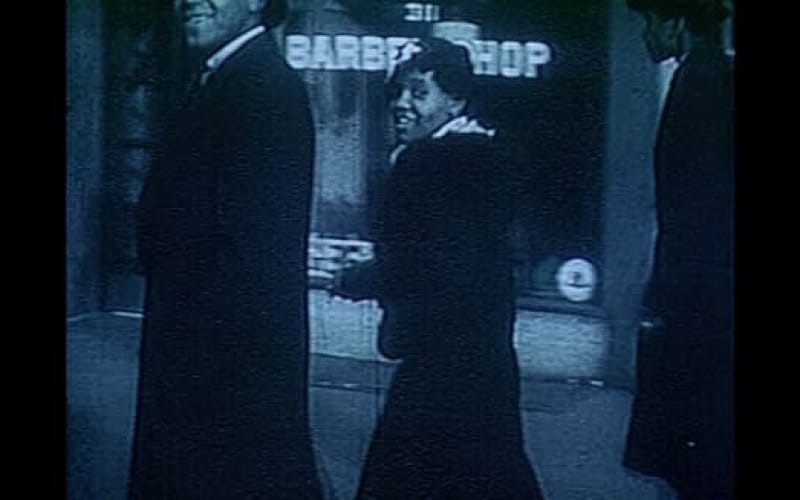
Lisa Marie Bronson plays Fae across the 1930s snapshots. Fabricated statements from her former partner carry a lot of emotional weight. A character shown initially as a stereotype gets to be developed into a complex person. There's also a feeling of anger and frustration from Cheryl as she discovers Fae has been mistreated.
Valarie Walker as Tamara does great work in this film. Tamara's obvious resentment towards Diana isn't just jealousy. It's a question the director is asking about who gets access to black spaces. Walker gives Tamara an honest grievance that's worth showing. The scenes between her and Cheryl are the most honest the film gets about race and romance.
The scenes with academic Camille Paglia playing herself, handing out supremely confident opinions about other people's histories, are tough to watch. It feels like the filmmakers are doing this deliberately, and this is shown as a contrast with Cheryl's cautious search for answers.
Where the film is less successful is the romance storyline between Cheryl and Diana. The scenes between Cheryl and Diana feel slight and not terribly deep. However, extra points should be given for the hot, sweaty sex scenes between two beautiful dykes. Dunye was working with a small budget and little experience; the constraints do show at times. However, this doesn't detract from an impressive final result.
The Watermelon Woman was added to the National Film Registry in 2021. That reflects the movie's reputation in queer cinema. This film is a pioneering Black lesbian film. Before Dunye, there wasn't this type of movie in the world. She created it from scratch; she brought a whole genre into existence. Her lead character is an upfront butch lesbian who is unafraid to express herself. It shows great confidence and power to highlight the dyke community with that much accuracy.
What Dunye is saying here is that representation isn't just about seeing yourself on screen. It's about having a history. It's about knowing that people like you existed beforehand. The queer community were always more than the crude stereotypes we were forced to accept in early cinema. An incredibly fascinating movie that is as relevant in 2026 as it was in 1996. A landmark.
The Watermelon Woman is available to stream on Amazon Prime.
Scene was founded in Brighton in 1993, at a time when news stories about Pride protests were considered radical.
Since then, Scene has remained proudly independent, building a platform for queer voices. Every subscription helps us to report on the stories that matter to LGBTQ+ people across the UK and beyond.
Your support funds our journalists and contributes to Pride Community Foundation’s grant-making and policy work.
Member discussion