

New data shows only four complaints about trans women in single‑sex spaces
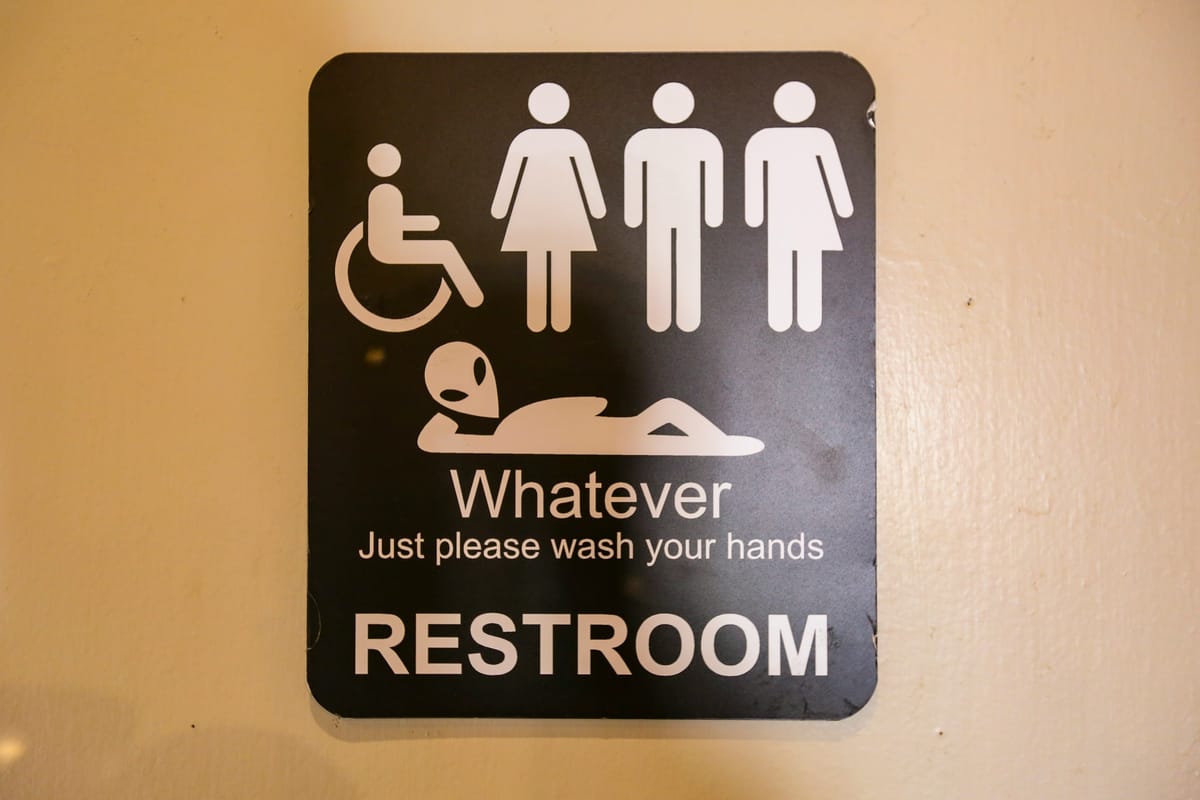
A major Freedom of Information investigation by advocacy group TransLucent has revealed that concerns about trans women in single‑sex spaces are vastly overstated. Over a three‑year period, across 382 public authorities in England - including local councils, NHS trusts and domestic abuse refuges - only four formal complaints were recorded regarding trans women using facilities such as toilets, hospital wards or shelters.
The findings show that in 2022, among 40 large local authorities managing leisure centre toilets and changing rooms, 35 reported zero complaints, five held no records, and the single incident logged involved a cisgender person mistakenly using the wrong facility. Follow‑up data for 2024 covering councils serving more than 16.5 million people found that 36 reported no complaints, while two recorded just one each - one about policy rather than an individual, and the other based on a misunderstanding.
In healthcare settings, the picture is equally clear. Between 2020 and 2022, 102 NHS trusts were asked whether they had received complaints from women inpatients about sharing wards with trans women. Not a single trust reported such a complaint. Further national surveys up to August 2023 found only one acute trust with a minor complaint, and none were considered serious.
Domestic abuse refuges also reported no evidence of trans women posing a threat. Services continue to accommodate trans women using individual risk assessments and mixed housing models, ensuring safety for all residents.
The data decisively undermines claims that trans inclusion in single‑sex spaces creates widespread problems. With just four complaints among millions of interactions, the evidence points to a reality far removed from the fear‑driven narratives dominating headlines. TransLucent argues that public bodies should base policy on facts rather than ideology, and the findings confirm that inclusive practices are working effectively.
Support independent LGBTQ+ journalism
Scene was founded in Brighton in 1993, at a time when news stories about Pride protests were considered radical. Since then, Scene has remained proudly independent, building a platform for queer voices. Every subscription helps us to report on the stories that matter to LGBTQ+ people across the UK and beyond.
Your support funds our journalists and contributes to Pride Community Foundation’s grant-making and policy work.
Subscribe today

Comments ()