



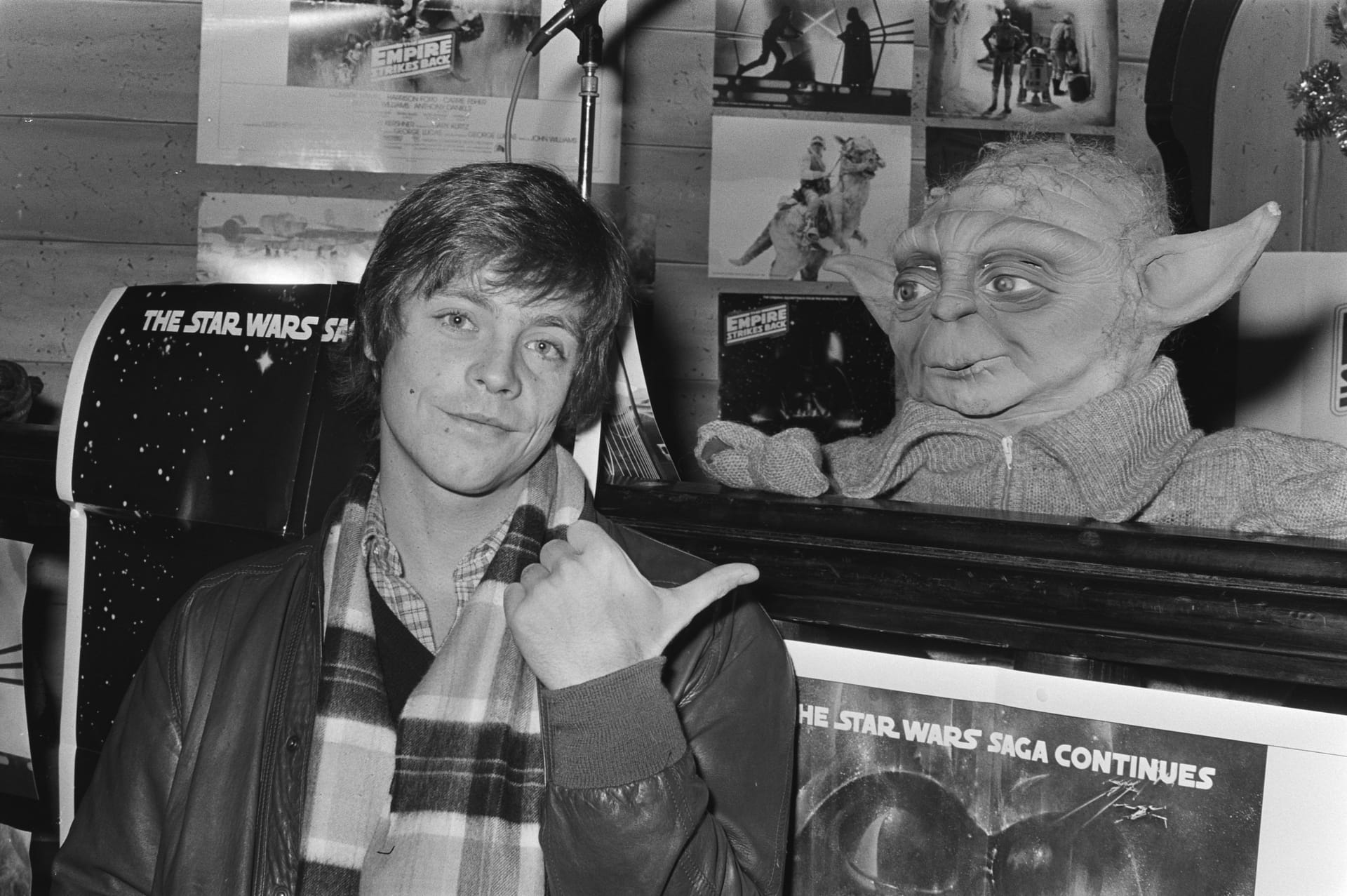
Mark Hamill has said that Luke Skywalker can be gay if viewers choose to see him that way, confirming that the Star Wars hero’s sexuality is open to interpretation rather than fixed by canon.
The actor, who played Luke Skywalker across the original trilogy and later sequels, has repeatedly stated that fans are free to define the character’s identity for themselves. His comments have resurfaced amid renewed discussion about LGBTQ+ representation in major film franchises.
Speaking previously on social media, Hamill responded to a fan who asked whether Luke could be gay by saying: “If you think Luke is gay, of course he is,” adding: “You should never be ashamed of who you are.” He later clarified that Luke’s sexuality was never specified on screen and was not something he believed should be dictated by actors or studios.
Hamill has consistently stressed that Star Wars is about universal themes such as hope, identity and self‑discovery, and that fans bring their own experiences to the characters.
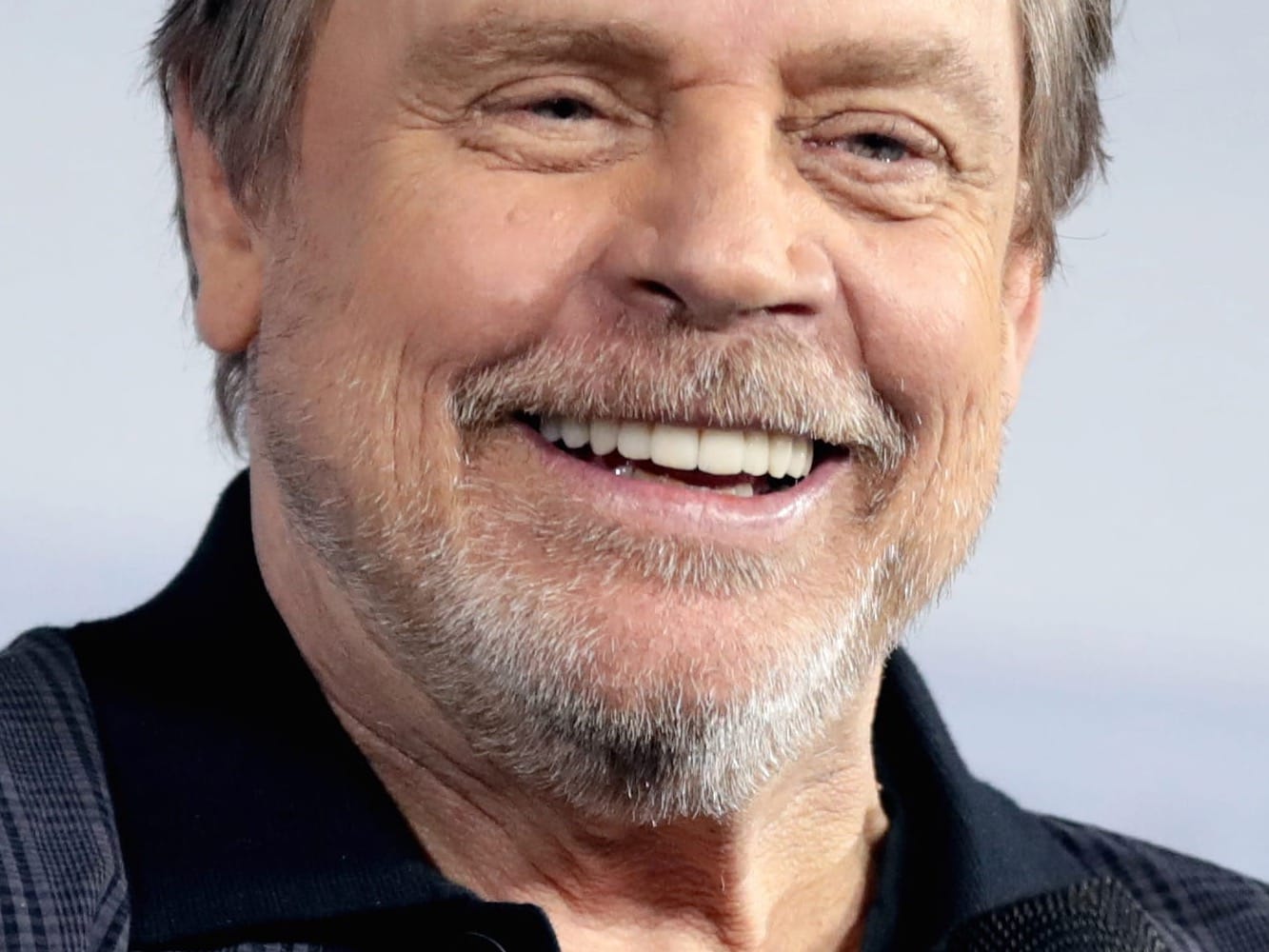
“It’s whatever you want,” he said in a separate interview when asked again about Luke’s sexuality. “The story belongs to the audience.”
Luke Skywalker’s on‑screen romantic relationships were minimal throughout the Star Wars saga, with early storylines hinting at a connection with Princess Leia before the characters were revealed to be siblings in The Empire Strikes Back. Beyond that, the films did not explore Luke’s love life.
Hamill’s remarks have been welcomed by LGBTQ+ fans, many of whom see Luke as a symbol of feeling different, misunderstood or out of place - themes that resonate strongly with queer audiences. While Lucasfilm has introduced openly LGBTQ+ characters in more recent Star Wars spin‑offs, representation in the main film series has been limited.
The actor has emphasised that his comments are not about altering canon, but about allowing fans to see themselves reflected in iconic characters.
“Fans write the rest of the story in their hearts,” Hamill has said. “That’s the power of myth and storytelling.”
Scene was founded in Brighton in 1993, at a time when news stories about Pride protests were considered radical.
Since then, Scene has remained proudly independent, building a platform for queer voices. Every subscription helps us to report on the stories that matter to LGBTQ+ people across the UK and beyond.
Your support funds our journalists and contributes to Pride Community Foundation’s grant-making and policy work.


Member discussion