

LGBTQ+ adults face greater gambling harms despite lower participation, study finds
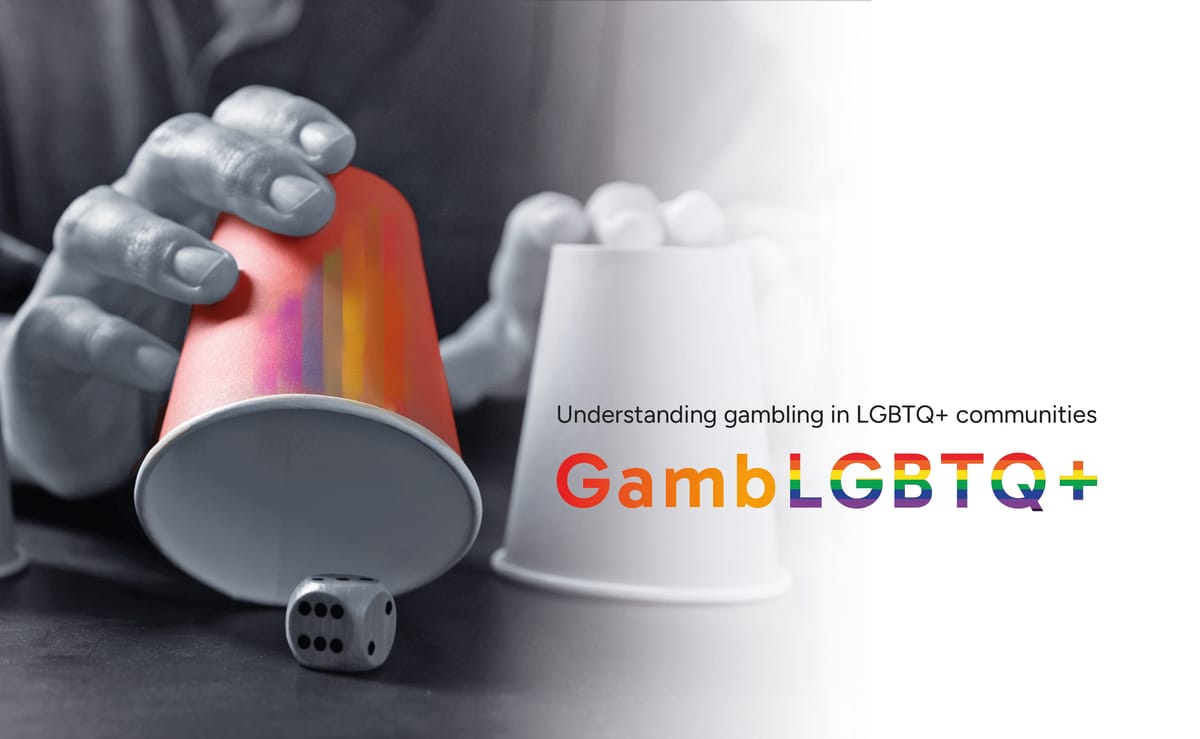
LGBTQ+ adults gamble less frequently than heterosexual and cisgender people but are more likely to suffer gambling-related harm, according to the first national study of its kind in Great Britain. The research, led by the University of Brighton in partnership with YouGov, Brighton & Hove LGBT Switchboard and funded by GambleAware, highlights significant inequalities affecting LGBTQ+ communities.
The survey of 3,000 adults found that 59% of LGBTQ+ participants had gambled in the past year, compared with 62% of the general population. Yet 18% reported experiencing gambling-related harm, a higher proportion than the 15% seen in the wider public. The disparity was even greater among specific groups within the LGBTQ+ community. Those from ethnic minority backgrounds, for example, were three times more likely to experience problem gambling than white LGBTQ+ participants, with rates of 9% and 3% respectively.
Among those whose behaviour fell into the ‘problem gambling’ category, the study uncovered widespread harmful impacts: most had hidden the extent of their gambling, used savings or borrowed money to fund it, and almost a quarter reported that their gambling had contributed to the breakdown of a relationship. Some participants also reported criminal behaviour to secure funds, while others disclosed experiences of violence or abuse linked to their gambling.
Overall, around a third of LGBTQ+ respondents said they gambled at least weekly, with online National Lottery tickets and scratch cards emerging as the most common products used in the previous 12 months.
For many participants, the survey and follow‑up interviews revealed a clear need for more tailored support. Respondents who scored one or more on the Problem Gambling Severity Index said they wanted advice, treatment or assistance, and some had already accessed support within the past year. Contributors to the study called for tighter regulation, including a ban on gambling advertising and a public‑health approach similar to that used for smoking and alcohol addiction.
Benjamin Howard, a 36‑year‑old gay man from Warwickshire and a lived‑experience advisor on the project, described how gambling became entwined with his search for acceptance. He said he first gambled after leaving a gay bar, wanting to maintain a sense of belonging, but eventually lost relationships, housing and his career, and became involved in the criminal justice system. He said gambling often presents itself as a “safe space” for LGBTQ+ people facing rejection or discrimination, but can compound trauma instead. He called for inclusive, trauma‑informed support and regulation that protects those made vulnerable by social inequality.
Dr Alexandra Sawyer, Principal Investigator and Principal Research Fellow at the University of Brighton, said the research offers “the clearest insight yet into gambling harms in LGBTQ+ communities in Great Britain”. She urged policymakers to strengthen legislation, tighten advertising rules, improve age checks and launch public campaigns focused on risk. Dr Laetitia Zeeman, co‑lead on the project and Principal Lecturer at the university, said the findings are vital to developing evidence‑based support and prevention strategies that reflect the realities of LGBTQ+ people’s lives.
Lauren Hunter, Acting Head of Community and Inequalities Research at GambleAware, said the work demonstrates how gambling harms can affect different communities in different ways and hoped the findings would encourage more people to seek support. Kate Gosschalk, Associate Director at YouGov, said the study builds on GambleAware’s existing research by providing one of the most detailed examinations to date of gambling in LGBTQ+ communities. Robert Sainsbury, Chief Executive of Brighton & Hove LGBT Switchboard, said gambling harm is closely tied to discrimination, exclusion and mental distress, and emphasised the need for support services that understand the complexities of LGBTQ+ identities and experiences.
The study represents a major step forward in recognising the specific needs of LGBTQ+ people within national gambling‑harm prevention strategies. It was delivered by the University of Brighton with key contributions from Dr Alexandra Sawyer, Dr Laetitia Zeeman, Dr Matt Smith, Professor Nigel Sherriff, Dr Helen Johnson and the university’s Centre for Transforming Sexuality and Gender.
Support independent LGBTQ+ journalism
Scene was founded in Brighton in 1993, at a time when news stories about Pride protests were considered radical. Since then, Scene has remained proudly independent, building a platform for queer voices. Every subscription helps us to report on the stories that matter to LGBTQ+ people across the UK and beyond.
Your support funds our journalists and contributes to Pride Community Foundation’s grant-making and policy work.
Subscribe today

Comments ()