

Iceland withdraws from Eurovision over Israel’s participation
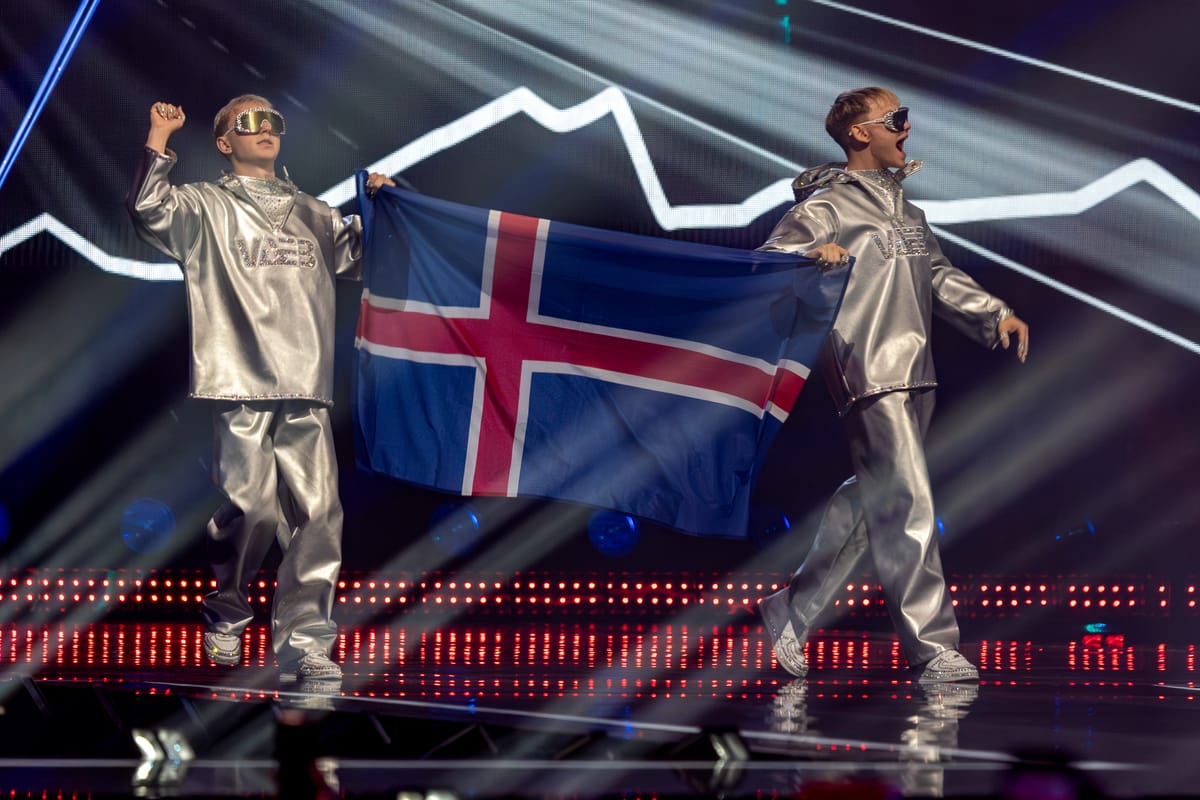
Iceland has announced it will withdraw from next year’s Eurovision Song Contest in Vienna, joining a growing list of countries protesting against Israel’s inclusion. The decision was confirmed by RÚV, Iceland’s national broadcaster, following weeks of heated debate at home and within the European Broadcasting Union (EBU).
The controversy stems from the EBU’s decision to allow Israel’s broadcaster, KAN, to compete despite calls for its exclusion. Critics argue that Israel’s military actions in Gaza and allegations of interference in this year’s voting should have disqualified it, citing precedents such as Russia’s ban after its invasion of Ukraine. However, the EBU opted for a package of rule reforms rather than a direct vote on Israel’s participation, a move that has angered several member states.
RÚV’s Director-General, Stefan Eiriksson, said the broadcaster could no longer guarantee that the contest would bring “joy nor peace” to Icelanders. “Our role is to unite the nation, and under these circumstances, that is not possible,” he explained. The decision follows internal consultations and public pressure, with many Icelanders calling for a boycott in solidarity with Gaza.
Iceland’s withdrawal adds to a growing boycott movement, with Spain, the Netherlands, Ireland and Slovenia also confirming they will not take part. The EBU insists Eurovision remains a celebration of music and inclusion, not politics, and Austria - next year’s host - has defended Israel’s entry, stressing that the contest is between broadcasters rather than governments.
Support independent LGBTQ+ journalism
Scene was founded in Brighton in 1993, at a time when news stories about Pride protests were considered radical. Since then, Scene has remained proudly independent, building a platform for queer voices. Every subscription helps us to report on the stories that matter to LGBTQ+ people across the UK and beyond.
Your support funds our journalists and contributes to Pride Community Foundation’s grant-making and policy work.
Subscribe today
Comments ()