

"I wouldn’t tell a care home I’m gay", says Ted Brown, co-organiser of the UK’s first Pride march
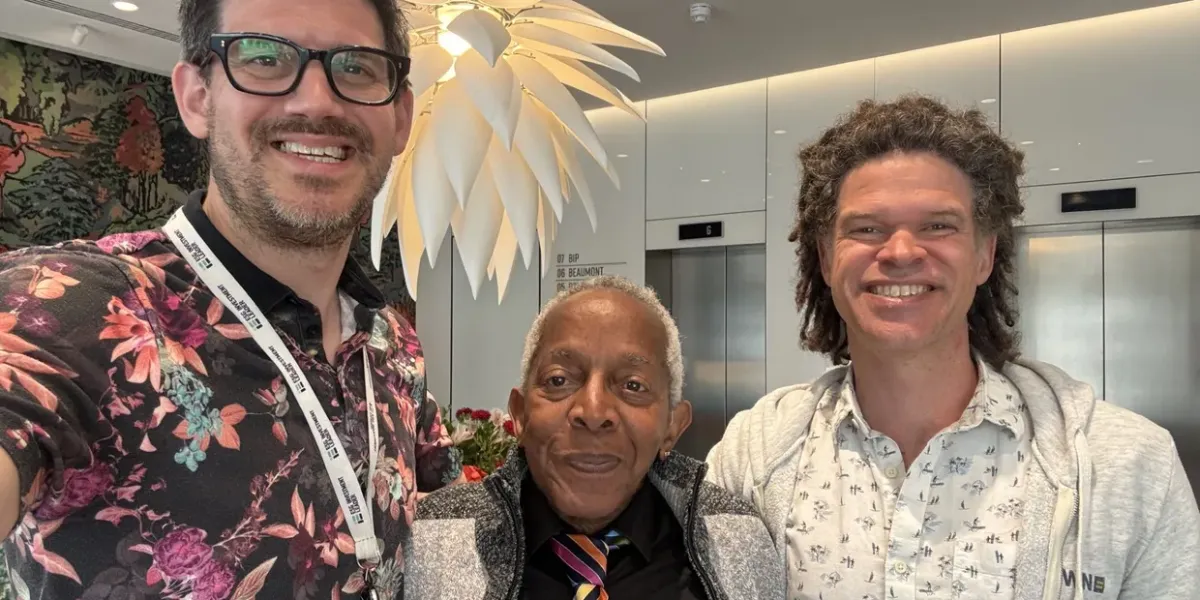
In a new interview with The View From Here podcast, Ted Brown, veteran LGBTQ+ rights campaigner, former member of the Gay Liberation Front and co-organiser of the UK's first Pride march, is sounding the alarm for an emerging area of homophobia, transphobia and societal prejudice – elderly care and care homes.
In The View From Here, Ted reflects on a lifetime of activism starting in the 1960s and '70s but crucially highlights that for many LGBTQ+ people, some of the most acute homophobia and transphobia they may face comes during end-of-life care.
In a startling revelation, Ted told the podcast: "If I was going into a care home now, I would not let them know that I was gay." Ted reflects on the treatment of his long-term partner, Noel, who was repeatedly homophobically abused in a council-run care home, eventually leading to Lambeth Council paying £30,000 in compensation, but tragically not until after Noel's death.
"I had a civil partnership with Noel in 2017 because I realised he was getting dementia and I needed to make sure that I had a responsibility as a carer, and the council and various other people did not recognise our relationship. They did not want to recognise that he was my partner. They didn't want to want to recognise gay people as a relationship."
Ted continues: “You'd be surprised how easy it is and how often a carer can just accidentally kick your ankle as they're preparing your meal or changing your bed. Or, oops, did I spill tea on your lap again?”
“It's a one-to-one. They're in a room with you, you're in a room with this person. There's no other witnesses.”
Ted introduces his latest campaign, Not Going in the Care Closet which seeks to ensure no other LGBTQ+ person has to experience the abuse suffered by Noel, but also to ensure that people have the freedom to be themselves in the elderly care system. The initial aim is to share sources of both legal and social advice who can give support if required to protect a partner in a care home.
Listen to the interview HERE
Support independent LGBTQ+ journalism
Scene was founded in Brighton in 1993, at a time when news stories about Pride protests were considered radical. Since then, Scene has remained proudly independent, building a platform for queer voices. Every subscription helps us to report on the stories that matter to LGBTQ+ people across the UK and beyond.
Your support funds our journalists and contributes to Pride Community Foundation’s grant-making and policy work.
Subscribe today

Comments ()